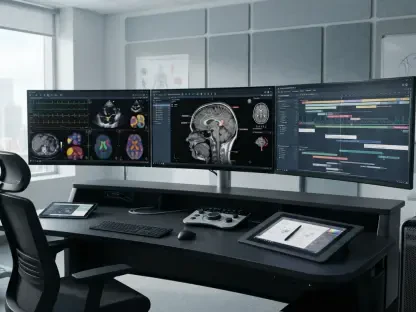

The acquisition of new ultrasound machines and sterilization equipment at Yokota Air Base represents a tangible step in the effort to upgrade military healthcare infrastructure across the entire Japanese archipelago. This initiative, spearheaded by the 374th Medical Group, addresses the pressing need for rapid diagnostic and surgical capabilities in a region where distance and logistics can often complicate medical outcomes. By transitioning from aging legacy systems to state-of-the-art medical technology, the base ensures that service members and their families receive a level of care comparable to top-tier civilian trauma centers in the United States. This modernization effort is not merely about replacing old hardware; it is about fundamentally restructuring the emergency response pipeline to eliminate bottlenecks. As a primary aerial port for the Indo-Pacific, Yokota serves as a critical node for medical evacuations, making diagnostic reliability paramount for stabilizing patients before they are moved to higher-echelon facilities.
Precision in Emergency Diagnostics: Point-of-Care Innovations
Evolution of Bedside Ultrasound Capabilities
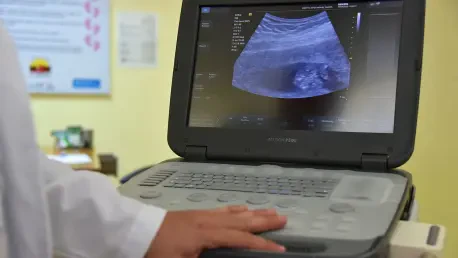
The deployment of high-resolution, portable ultrasound systems has revolutionized how the emergency department at Yokota handles acute trauma and undifferentiated pain. These new units offer unprecedented clarity, allowing physicians to perform Focused Assessment with Sonography for Trauma exams with a degree of accuracy that was previously difficult to achieve with aging hardware. By having these tools at the bedside, clinicians can immediately identify pericardial effusions, intraperitoneal bleeding, or pneumothorax within minutes of a patient’s arrival. This immediacy is particularly vital during mass casualty scenarios where the central radiology department may be overwhelmed. The current integration emphasizes a move toward decentralized diagnostics, where the tool goes to the patient rather than the patient being transported across the facility. This shift saves precious seconds during the critical “golden hour” of trauma and significantly reduces the physical strain on the medical staff.
Training Protocols for Enhanced Clinical Accuracy
To maximize the utility of the new diagnostic hardware, the medical group implemented a rigorous training program designed to ensure every provider is proficient in advanced sonography. This curriculum goes beyond basic imaging, teaching staff how to use AI-assisted software that automatically calculates cardiac output and volume status, thereby reducing the margin of human error in high-pressure situations. Such technical proficiency is essential for maintaining the high standards of the Air Force Medical Service, especially when managing patients with multi-system organ failure or complex combat injuries. The emphasis on continuous education ensures that the technology becomes a primary extension of the physician’s diagnostic toolkit. Moreover, the standardization of these protocols across the medical group allows for a seamless handoff between different shifts, ensuring that patient data is interpreted consistently, which significantly enhances the overall safety and reliability of the clinical pathway.
Strengthening Surgical Safety: Sterilization Standards
Implementation of High-Capacity Autoclave Systems
Equally important to diagnostic speed is the integrity of the surgical environment, which has been significantly bolstered by the installation of next-generation sterilization units. These large-capacity autoclaves and chemical sterilizers are designed to handle the high throughput required by a busy surgical suite while maintaining strict adherence to modern infection control standards. By upgrading these systems, the base has effectively eliminated the bottlenecks associated with instrument reprocessing, ensuring that surgical kits are always available for emergency procedures. This reliability is the backbone of any trauma center, as even the most skilled surgeons are limited by the availability of sterile tools. The new equipment also features digital tracking systems that monitor every cycle’s temperature and pressure, providing an immutable record of sterilization that enhances patient safety. This modernization effort ensures the facility can support prolonged field care and complex trauma surgeries.
Strategic Outcomes and Future Operational Readiness
Medical leadership at Yokota Air Base prioritized long-term sustainability by establishing comprehensive maintenance contracts and technical support loops for all newly acquired equipment. These proactive measures ensured that the medical group remained at the cutting edge of military medicine while minimizing the risk of hardware failure during critical periods. By fostering a culture of innovation and technical excellence, the facility successfully transitioned into a modern era of emergency care that served as a model for other Pacific Air Forces installations. The implementation of these diagnostic and sterilization upgrades directly improved the survival rates of personnel involved in training accidents and real-world emergencies alike. Moving forward, the focus shifted to expanding these capabilities through remote tele-health integration and predictive maintenance analytics. These steps solidified the base’s reputation as a center of excellence, ensuring the group was prepared to meet healthcare challenges with precision.