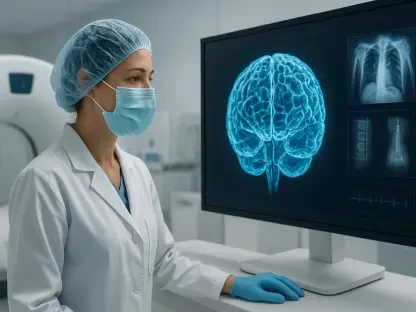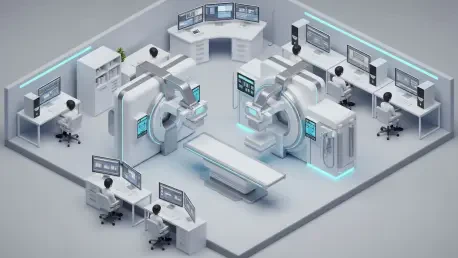

The landscape of regional healthcare often hinges on the delicate balance between high-tech medical capabilities and the accessibility of these services for remote populations. Southland Hospital has addressed this challenge head-on by integrating a state-of-the-art fluoroscopy system, a significant investment valued at nearly one million dollars that promises to redefine how internal diagnostics are handled within the region. Unlike traditional static X-rays that provide a single snapshot of the body, this new equipment offers real-time, continuous imaging, allowing clinicians to observe the dynamic movement of internal organs and systems as they function. This transition from still imagery to live video-like feeds represents a fundamental shift in diagnostic precision, offering a level of clarity that was previously difficult to achieve in a local setting. By modernizing its infrastructure, the hospital is not just updating its tools but is fundamentally altering the patient experience and clinical outcomes for the community.
Advanced Imaging and Patient Safety Standards
The introduction of the new fluoroscopy unit brings a sophisticated level of detail to the diagnostic process, which is essential for identifying complex conditions that might otherwise remain obscured. This technology utilizes high-resolution digital sensors to capture sharp images of moving structures, such as the digestive tract or the cardiovascular system, providing doctors with an unparalleled view of physiological processes. One of the most critical aspects of this upgrade is the significant reduction in radiation exposure. Because the system is designed with advanced pulse-control and dose-reduction software, both patients and medical staff are exposed to much lower levels of ionizing radiation during procedures. This safety feature is particularly vital for pediatric patients and individuals requiring frequent monitoring, as it mitigates long-term health risks while maintaining the high image quality necessary for accurate clinical decision-making and intervention.
Building on these safety benefits, the system serves as a versatile tool that bridges the gap between specialized diagnostics and general medical needs. The equipment is engineered with a dual-purpose architecture, allowing it to function seamlessly as both a specialized fluoroscopy suite and a high-throughput general X-ray room. This flexibility is a strategic advantage for a regional facility like Southland Hospital, where space and equipment utilization must be optimized to handle varying patient volumes. By consolidating these functions into a single high-performance unit, the radiology department can maintain a steady flow of patients, reducing the bottlenecks often associated with specialized imaging. This operational efficiency ensures that the hospital can pivot between routine screenings and complex, guided diagnostic procedures without the need for extensive downtime or equipment reconfiguration, ultimately leading to a more responsive healthcare environment.
Localization of Specialized Clinical Procedures
A primary objective of this technological leap is the localization of specialized medical services, ensuring that residents of the Southland region no longer need to travel long distances for critical care. A prime example of this is the insertion of peripherally inserted central catheter (PICC) lines, which are essential for patients requiring long-term intravenous therapies such as chemotherapy, intensive antibiotic treatments, or nutritional support. With more than 400 of these procedures performed annually at the hospital, having a dedicated, high-precision imaging system is transformative. The real-time guidance provided by the fluoroscopy unit allows clinicians to navigate the catheter through the venous system with pinpoint accuracy, reducing the risk of complications and improving the comfort of the patient. This capability keeps care within the community, fostering a sense of security and convenience for those undergoing taxing medical journeys.
The impact of this localized technology extends further into the realms of speech therapy and general internal medicine. The system facilitates complex speech-language swallowing studies, which are crucial for diagnosing and treating patients with dysphagia or those recovering from neurological events. During these studies, the real-time imaging allows specialists to observe the physical mechanics of swallowing, identifying specific malfunctions that require targeted rehabilitation. Beyond these specialized applications, the unit supports a wide array of general radiographic needs, providing a robust foundation for the hospital’s entire diagnostic wing. By housing such diverse capabilities under one roof, Southland Hospital is effectively building a comprehensive hub for clinical expertise. This approach not only enhances the quality of care but also allows local medical professionals to utilize the latest technological advancements to their full potential within their own facility.
Strategic Integration and Regional Healthcare Goals
The deployment of this fluoroscopy system aligns with a broader national strategy to modernize healthcare infrastructure and ensure that patients receive timely assessments and treatments. Current initiatives emphasize the importance of completing first specialist assessments and elective treatments within a strict four-month window to prevent the worsening of chronic conditions. By increasing imaging capacity and streamlining diagnostic workflows, Southland Hospital is playing a pivotal role in meeting these ambitious targets. The reduction in wait times for imaging results directly correlates to faster diagnosis and the quicker initiation of treatment plans. This efficiency is a cornerstone of the modern patient journey, where speed and accuracy are the primary drivers of successful health outcomes. The integration of such technology reflects a proactive stance in managing regional health demands while adhering to national standards of excellence.
In a wider context, this project is part of a series of strategic investments aimed at reinforcing the healthcare network across the country. From infrastructure reinforcements in major metropolitan centers to the expansion of oncology services in neighboring districts, the focus remains on creating a resilient and technologically capable medical system. The new system at Southland Hospital serves as a model for how regional facilities can be empowered to provide top-tier care through targeted capital investment. It enables the hospital to handle a greater complexity of cases locally, which in turn reduces the burden on larger tertiary centers and creates a more balanced distribution of medical resources. This strategic development ensures that the diagnostic foundation of the hospital is future-proofed, allowing for continued growth in clinical services and the ongoing development of local medical specialized skills to meet the evolving needs of the Southland population.
Implementation and Future Clinical Considerations
The successful integration of the fluoroscopy system serves as a blueprint for regional hospitals looking to enhance their diagnostic autonomy. To maximize the return on such a substantial investment, healthcare administrators should prioritize ongoing clinical training programs that ensure radiology staff are fully proficient in the latest imaging protocols and dose-management techniques. Furthermore, the hospital should look toward establishing a data-driven feedback loop where imaging outcomes and procedural success rates are monitored to identify further areas for workflow optimization. By analyzing the throughput data from this dual-purpose unit, management can better predict peak demand times and allocate staffing resources more effectively. This proactive management approach will ensure that the technology remains a catalyst for efficiency rather than just a replacement for older hardware, maintaining a high standard of care as the regional population grows and medical needs change.
Looking ahead, the focus must shift toward integrating these advanced imaging capabilities with emerging digital health platforms to create a more unified patient record. As diagnostic data becomes more complex, the ability to share high-resolution fluoroscopic videos and images across different specialist departments in real-time will be essential for multidisciplinary care. Hospital leadership should consider investments in robust cloud-based storage and high-speed networking to facilitate this level of collaboration. Additionally, exploring the potential for artificial intelligence to assist in the preliminary analysis of fluoroscopic images could further reduce the time between a procedure and a final diagnosis. By staying at the forefront of these digital transitions, the facility will not only maintain its current diagnostic edge but also position itself as a leader in regional medical innovation, ensuring that the local community continues to benefit from the highest standards of modern healthcare technology.