
The rapidly evolving demographic landscape of Ontario has necessitated an unprecedented overhaul of how the province approaches the housing and clinical care of its aging population. In Ottawa, this transformation is currently manifesting through a massive expansion of long-term care infrastructure that seeks to replace aging, institutional models with modern, community-oriented environments. By leveraging a strategic partnership with Southbridge Care Homes, the provincial government is introducing 384 new, modern long-term care beds to the Nepean area, marking a significant milestone in the broader healthcare strategy. This initiative is designed to address the immediate and localized demand for senior housing while simultaneously serving as a catalyst for regional economic growth through sustained job creation and large-scale construction activity. As these facilities begin to integrate into the local healthcare ecosystem, they represent more than just a capacity increase; they signify a fundamental shift toward a more dignified and sophisticated philosophy of elderly support.
Modern Design and Resident-Centered Living
Redefining the Environment for Aging
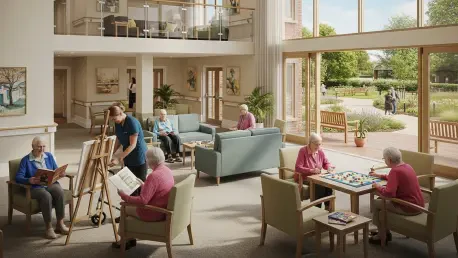
The architectural philosophy behind the Southbridge Ottawa facility represents a radical departure from the sterile, hospital-like environments that characterized senior housing in previous decades. By utilizing a “resident home area” design, the project organizes 192 beds into six distinct, intimate zones that function as self-contained communities within the larger building. This structural choice is intentional, aimed at reducing the overwhelming scale of professional care settings and fostering deep social connectivity among residents. Each area is equipped with dedicated communal spaces and access to outdoor amenities, ensuring that seniors have the freedom to move within a safe, familiar environment. This phased development approach, which sees the first facility operational in 2026 while the second matching building progresses toward completion in 2028, allows the healthcare system to absorb new capacity in a structured and manageable manner.
The impact of this design extends beyond the physical layout to the psychological well-being of the residents who call these facilities home. Modern senior care infrastructure now prioritizes the concept of “aging in place” within a setting that feels like a neighborhood rather than a medical ward. By moving away from traditional ward-style rooms and toward private or semi-private accommodations, the project ensures that privacy and personal dignity are maintained even as medical needs increase. This transition is crucial for families who are often seeking a balance between high-level clinical supervision and a domestic quality of life for their loved ones. The result is a more human-centric model of care that values the individuality of the resident as much as their physical health, setting a new benchmark for upcoming developments throughout the province as the demand for such high-quality spaces continues to rise.
Integrating Lifestyle and Community Amenities
To ensure that life within a long-term care facility remains vibrant and fulfilling, the Ottawa project incorporates an array of lifestyle-oriented amenities that mirror the services found in the broader community. The inclusion of professional beauty and barber salons, specialized worship areas, and on-site theater spaces allows residents to maintain their routines and social habits without the logistical challenges of off-site travel. These features are not merely luxury additions; they are essential components of a holistic care model that recognizes the importance of mental stimulation and social engagement in senior health. By providing these services within the facility, the infrastructure supports a higher degree of autonomy and provides residents with diverse opportunities for interaction, which is often a critical factor in combating the isolation frequently experienced in traditional care settings.
Furthermore, the integration of these amenities serves to bridge the gap between the facility and the local community, making the home a more inviting place for visiting families and friends. When a long-term care home provides spaces that feel like modern community hubs, it reduces the stigma associated with institutional living and encourages more frequent social visits. The theater and worship spaces also provide venues for local volunteers and organizations to engage with residents, further embedding the facility into the social fabric of Nepean. This approach to infrastructure ensures that while residents may require 24-hour medical support, their lives are still enriched by the cultural and social experiences that define the human experience. As such, the transformation of senior care in Ottawa is as much about social innovation as it is about clinical or structural engineering.
Socio-Economic Gains and Strategic Policy
Boosting the Local Economy and Workforce
The expansion of long-term care in Ottawa functions as a significant economic driver, providing a dual benefit of social service improvement and localized financial stimulation. The two Southbridge facilities are projected to support approximately 344 permanent professional roles, creating a diverse range of employment opportunities within the healthcare sector. These positions include registered nurses, personal support workers, administrative leaders, and recreational therapists, all of whom are essential to maintaining the high standards of care promised by the new infrastructure. This influx of stable, long-term jobs provides a boost to the local labor market, offering career paths for healthcare professionals and supporting the regional economy long after the initial construction phases are completed. The presence of these facilities ensures that the community retains skilled talent in the vital field of geriatrics.
In addition to permanent staffing, the multi-year construction process has acted as a catalyst for the local trades and building sectors. With over 200 construction-related jobs generated during the development of the Nepean site, the project has supported a wide array of specialized workers, from architects and engineers to electricians and carpenters. This activity underscores the broader utility of healthcare infrastructure investments, which serve to modernize public services while simultaneously injecting capital into the regional economy. By focusing on local hiring and procurement, these projects ensure that the financial investments made by the province circulate within the community. The resulting economic stability helps to build a more resilient local infrastructure, proving that the modernization of senior care is a mutually beneficial endeavor for both the residents receiving care and the professionals who build and operate the homes.
Navigating the Provincial Strategic Framework
The Ottawa developments are a core component of “A Plan to Protect Ontario,” a comprehensive provincial mandate that aims to build or redevelop 58,000 beds across the region. This strategic framework is built upon four critical pillars: increasing direct care hours for residents, enforcing rigorous quality standards, modernizing physical facilities, and streamlining the pathway from hospitals to long-term care. As of early 2026, the province has demonstrated significant progress, with more than 160 projects either completed or actively under construction. This statewide initiative is designed to resolve long-standing waitlist issues and ensure that the healthcare system can withstand the pressures of an aging population. By standardizing these goals, the government provides a clear roadmap for private partners like Southbridge to follow, ensuring consistency in care regardless of geographic location.
Crucial to the success of these projects is the evolution of funding models that now recognize the varying costs associated with different geographic regions. The 2025 Capital Funding Policy has been instrumental in this regard, offering a more flexible financial framework that accounts for the rising costs of materials and labor in urban centers like Ottawa. Furthermore, the government has utilized innovative land-use strategies, such as developing on surplus provincial property or partnering with hospitals to use their existing land assets. This creative approach to real estate and financing has cleared many of the traditional hurdles that previously delayed large-scale healthcare projects. By aligning policy, funding, and land availability, the provincial government has created an environment where modern, high-quality senior care infrastructure can be delivered rapidly and efficiently to meet the needs of the growing population.
The transformation of senior care infrastructure in Ottawa was characterized by a deliberate move toward integration, dignity, and economic foresight. By prioritizing resident-centered design and diverse lifestyle amenities, the project successfully transitioned away from the institutional legacy of the past. Looking forward, the focus must remain on the long-term sustainability of the healthcare workforce and the continuous adaptation of facilities to incorporate emerging medical technologies. To maintain this momentum, policymakers and healthcare providers should prioritize the digital integration of health records and remote monitoring tools within these new structures to further enhance resident safety. Future developments must also consider the environmental footprint of these large-scale facilities, exploring green building standards to ensure that the infrastructure remains viable and efficient for decades to come. As these 384 beds become fully operational, the lessons learned in Ottawa provided a blueprint for regional healthcare excellence across the province.