
The University of North Texas Health Science Center at Fort Worth has officially established the first Doctor of Philosophy program in Pharmaceutical Sciences in the Dallas-Fort Worth metroplex, marking a significant milestone for regional medical research. This strategic expansion addresses a growing local demand for high-level expertise in drug discovery and development, particularly as the North Texas biotechnology corridor attracts massive investment from global biopharmaceutical firms. By offering this specialized curriculum, the institution aims to bridge the gap between academic theory and the practical application of advanced pharmacological principles. Students enrolled in this rigorous program will engage in interdisciplinary research that spans the entire lifecycle of a drug, from molecular identification to clinical evaluation. This initiative not only enhances the university’s academic portfolio but also positions Fort Worth as a central hub for scientific innovation in the southern United States today.
Bridging the Gap: Regional Research Infrastructure
As the pharmaceutical landscape undergoes a profound transformation in 2026, the necessity for specialized doctoral-level training becomes increasingly apparent for sustaining industrial growth. The Dallas-Fort Worth region has historically lacked a dedicated PhD track in pharmaceutical sciences, forcing many aspiring researchers to look elsewhere for their advanced education and career development. UNT Health’s decision to launch this program creates a vital talent pipeline that connects local graduates directly with the life sciences sector. This move is expected to catalyze further investment from venture capital firms that prioritize locations with a steady supply of high-level scientific expertise. Furthermore, the program’s focus on drug delivery systems and experimental therapeutics aligns perfectly with current industry trends that favor precision medicine. By centralizing these resources, the university provides a robust foundation for collaborative projects involving both public and private entities.
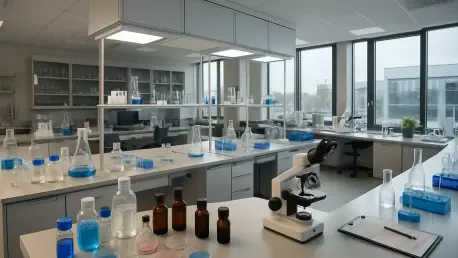
Building on this foundational shift, the curriculum is designed to foster a deep understanding of the chemical and biological processes that govern modern drug efficacy and safety protocols. The program emphasizes a hands-on approach, utilizing state-of-the-art laboratory facilities where doctoral candidates can conduct sophisticated analyses of pharmacokinetic and pharmacodynamic properties. This immersive environment encourages students to challenge existing methodologies and explore innovative ways to improve patient outcomes through more effective medication delivery. Moreover, the integration of computational modeling and artificial intelligence into the research workflow allows for a more streamlined drug discovery process, reducing the time required to move from the bench to the bedside. By cultivating a culture of inquiry, the program ensures that its graduates are well-equipped to navigate the complexities of a highly regulated global market. This academic rigor serves to elevate the standard of care across the healthcare continuum.
Elevating Clinical Outcomes: Academic Rigor and Economic Impact
Expanding the scope of regional healthcare capabilities requires a commitment to nurturing a diverse workforce capable of tackling the most pressing medical challenges of the modern era. The introduction of this PhD program at UNT Health serves as a catalyst for socio-economic development, drawing top-tier talent from across the globe to the Fort Worth area. As these researchers engage with local healthcare providers and clinical sites, they create a symbiotic relationship that accelerates the translation of laboratory findings into real-world applications. This collaboration is particularly crucial for addressing chronic diseases that disproportionately affect the local population, such as cardiovascular issues and metabolic disorders. By focusing on targeted therapeutic interventions, the university contributes to a broader strategy of improving public health through science-based policy. The presence of such a high-caliber academic program also encourages the establishment of startup incubators, further diversifying the local economy and biotech leadership.
The successful launch of the PhD program in Pharmaceutical Sciences established a clear framework for future academic and industrial synergy within the North Texas region. Leaders in the field recognized that the initiative provided the necessary infrastructure to support large-scale clinical trials and complex drug development projects that were previously outsourced. Consequently, the university’s commitment to high-level research encouraged stakeholders to prioritize long-term investments in laboratory technology and specialized human capital. To maintain this momentum, subsequent efforts focused on expanding cross-institutional partnerships and securing sustained funding for doctoral fellowships. These strategic moves ensured that the metroplex remained at the forefront of the global pharmacological landscape while fostering a culture of continuous improvement in medical science. Looking ahead, the integration of this program suggested that similar specialized tracks were necessary to meet the evolving demands of the global healthcare market.