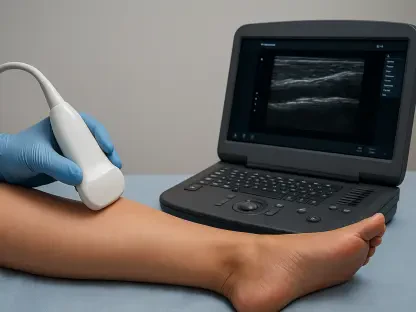

By integrating ‘green engineering’ and solar energy into hospital designs, the Ministry of Health is prioritizing long-term sustainability and climate resilience. Kenya’s medical landscape is currently undergoing a significant metamorphosis through a multi-billion shilling infusion of capital into its core infrastructure. This strategic pivot focuses on establishing specialized maternal and newborn centers alongside the rapid expansion of regional referral hospitals to ensure everyone has access to quality care. The primary driver of this initiative is the achievement of Universal Health Coverage by decentralizing high-level medical services that were previously concentrated in major urban hubs. This movement directly addresses the systemic inequities that have historically plagued rural healthcare access, particularly for expectant mothers. By prioritizing localized infrastructure, the government aims to drastically lower preventable mortality rates for mothers and infants across all forty-seven counties. This comprehensive approach underscores a deep commitment to social equity and long-term national stability through health.
Expanding Specialized Care through Targeted Initiatives
The “Mama na Mtoto Kwanza” initiative serves as the primary cornerstone of this systemic reform, specifically targeting ten counties where maternal and neonatal mortality rates have historically remained at their highest. These high-need areas, which include populous regions like Nairobi and more remote districts such as Garissa, are now seeing the construction of specialized 250-bed facilities designed to provide a complete and seamless continuum of care. From routine antenatal checkups to the most complex neonatal intensive care procedures, these centers are designed to bring life-saving medical interventions directly to the doorsteps of the communities that need them most. By locating these facilities within the heart of these regions, the Ministry is effectively removing the geographical barriers that often stood between a patient and survival. This focus on specialized care ensures that complications during childbirth are managed by experts using the latest medical technologies in a supportive, high-capacity environment.
A critical component of this expansion is the robust collaboration between the public sector and private enterprises, which has yielded substantial financial support for these ambitious projects. A prominent example of this synergy is the KES 4.4 billion grant provided by the Amsons Group to support the “Every Woman Every Newborn Everywhere” program. This massive funding package is specifically designed to fill existing gaps in emergency obstetric services and the availability of advanced neonatal units across the country. By combining these significant private resources with targeted government spending, the nation is building a robust safety net for its most vulnerable citizens. This public-private partnership model allows for the rapid scaling of medical services while ensuring that the financial burden does not fall solely on the taxpayer. Furthermore, these investments are often paired with rigorous oversight mechanisms to ensure that every shilling contributes directly to improved health outcomes and modernized equipment in the field.
Investing in Medical Personnel and Financial Accessibility
To ensure that these new buildings and high-tech equipment translate into actual improvements in health outcomes, the government is prioritizing the development of a highly skilled workforce. Over 1,800 healthcare professionals have already completed rigorous training in specialized obstetric and newborn care, and aggressive plans are currently underway to recruit an additional 5,000 nurses and midwives by the end of the 2026 to 2028 fiscal period. This emphasis on human capital ensures that the new facilities are staffed by experts who can navigate the complexities of modern medical technology. Training programs are being decentralized as well, allowing medical students and residents to gain experience in regional Level 5 hospitals rather than just the national referral centers. This approach not only improves the quality of care in rural areas but also encourages medical professionals to remain in their home counties, fostering a more stable and locally committed healthcare workforce that understands the unique needs of its population.
Parallel to the workforce expansion, the Social Health Authority is allocating KES 4 billion to eliminate the persistent financial barriers that often prevent families from seeking necessary medical attention. This funding is specifically directed toward making maternity services at local clinics and regional hospitals more affordable, and in many cases entirely free, for expectant mothers. By streamlining the insurance reimbursement process and providing direct subsidies for essential services, the government is ensuring that no woman is forced to choose between her health and her financial stability. This initiative is a vital part of the broader strategy to increase the rate of institutional deliveries, which is a major factor in reducing neonatal complications. When financial anxiety is removed from the equation, mothers are much more likely to attend their scheduled prenatal visits and seek professional help at the first sign of labor. This shift toward financial inclusivity is transforming the healthcare experience from a luxury into a fundamental right available to all.
Decentralizing Critical Care through Referral Networks
In a parallel effort to enhance maternal health, a KES 29 billion investment is currently being funneled into the construction of thirteen new Level 5 county referral hospitals across the nation. These 300-bed facilities are designed to act as regional hubs in strategically selected areas like Turkana and Kilifi, effectively reducing the immense burden on national hospitals in the capital. This expansion is a key pillar of the Bottom-Up Economic Transformation Agenda, which aims to ensure that a patient’s geography no longer dictates the quality of care they receive. Each of these new referral hospitals will be equipped with modern diagnostic tools, including MRI and CT scanners, along with significant critical care capacity through dedicated Intensive Care and High Dependency Units. By increasing the number of ICU beds at the county level, the healthcare system can manage complex medical conditions more effectively without the need for dangerous and expensive long-distance transfers. This localized approach significantly cuts down on travel costs for families during medical emergencies.
Modern design and sustainable governance were at the heart of these projects, ensuring that the new facilities would remain operational even in the face of shifting economic or environmental conditions. Success relied heavily on the close cooperation between the national and county governments, which worked in tandem to ensure that land, staffing, and utility connections were fully prepared as construction phases reached completion. The implementation of these structural reforms fostered a new era of medical accessibility that transcended previous geographic limitations. By aligning national objectives with regional needs, the collaborative framework established a resilient, equitable health system that was capable of withstanding future demographic pressures. The prioritization of green technology and sustainable financing models ensured that the newfound capacity remained viable over the long term. These successes provided a blueprint for other emerging economies seeking to modernize their health infrastructure without compromising their fiscal stability or environmental commitments.
The transition from reactive care to proactive health management became the hallmark of the updated national strategy as the focus shifted toward maintaining these high standards through rigorous quality control. The integration of advanced maternal services into the primary care network effectively bridged the gap between rural clinics and specialized hospitals. This systematic transformation proved that strategic investment, when coupled with strong governance and private sector support, could fundamentally rewrite the narrative of public health outcomes. To sustain this momentum, the government intensified its focus on digital health integration, ensuring that every new facility was linked through a centralized electronic record system. This technological backbone allowed for real-time monitoring of maternal health data, enabling rapid responses to emerging health crises in remote regions. By training community health volunteers to act as bridges between patients and the new Level 5 hospitals, the system maximized its operational efficiency and ensured that every citizen felt the direct impact of these reforms.