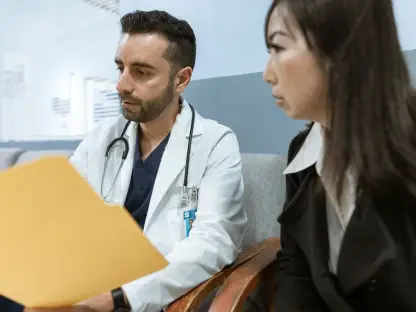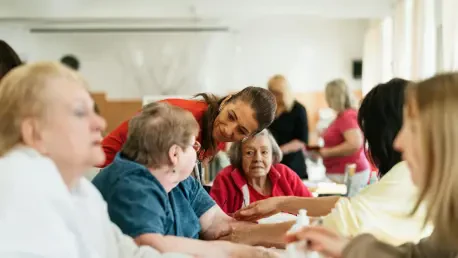

The senior care industry currently faces a paradox where the complexity of resident needs is rising just as the available workforce remains stretched to its absolute limits across the nation. In this high-pressure landscape, the difference between a facility that merely survives and one that truly thrives often comes down to the invisible threads of communication that bind disparate departments together. When professional silos are allowed to fester, the consequences extend far beyond minor administrative delays; they manifest as decreased resident safety, lower employee morale, and a fragmented approach to health management. Building a stronger collaborative environment requires a proactive strategy that moves beyond simple team-building exercises and dives into the structural foundations of how care is delivered. By dismantling traditional professional barriers and fostering a deep sense of shared accountability, senior care organizations can transform their most valuable asset—their staff—into a cohesive unit capable of delivering exceptional outcomes for those in their care.
Identifying and Navigating Hidden Barriers to Success
One of the most significant obstacles to effective teamwork is the heavy burden of manual and repetitive documentation that clinical staff face daily, often consuming hours that could be spent on direct care. When nurses and aides are bogged down by inefficient paperwork, they lose the time necessary for meaningful inter-departmental coordination, which often leads to burnout and errors during critical care transitions. This technical inefficiency creates a domino effect where vital information is trapped in paper logs or isolated notes, preventing other team members from acting on real-time changes in a resident’s condition. Addressing these systemic bottlenecks is essential for ensuring that data moves accurately and quickly through the communication chain. Furthermore, the volume of data entry required by modern regulatory standards can overwhelm even the most dedicated professionals, leading to a culture where compliance takes precedence over the collaborative human interactions that define high-quality senior care environments.
Beyond technical issues, a psychological “longevity mindset” can often prevent progress within long-standing care communities that have operated under the same leadership for many years. Veteran staff may hold onto outdated methods that no longer suit a modern healthcare landscape, creating a subtle but persistent resistance to necessary changes or new technological implementations. This friction between established norms and innovative practices can lead to professional conflict, as newer employees may feel their fresh perspectives are undervalued by those who prioritize the way things have always been done. To build a truly collaborative team, leadership must encourage a shift in mindset where both new and experienced workers remain open to continuous evolution and shared progress. This requires a cultural transformation that rewards curiosity and adaptability rather than just tenure, ensuring that the collective wisdom of the team is harnessed to meet the evolving complexities of geriatric medicine in a modern senior living facility.
Optimizing Operations Through Structural Connectivity
Strategic changes to daily schedules can significantly improve how information is passed between teams, such as implementing intentional “overlap time” during shift changes to facilitate better handoffs. By providing a dedicated thirty-minute window for outgoing and incoming staff to discuss resident needs and ask clarifying questions, facilities can ensure a smoother transition and build a culture of mutual responsibility. This structured time allows for the transfer of soft information—those subtle changes in a resident’s mood or appetite—that might not be captured in a formal medical chart but are crucial for personalized care. During these sessions, team members can synchronize their priorities, ensuring that no task falls through the cracks during the busiest hours of the day. This approach naturally leads to higher levels of trust between shifts, as caregivers feel supported by their colleagues and better prepared to handle the challenges of their upcoming hours, resulting in a more stable environment.
Breaking down departmental silos also requires a flexible approach to communication that respects the diverse preferences of a multi-generational workforce with varying levels of technological comfort. While digital updates via mobile applications work for some employees, others may still rely on physical notices near time clocks or direct face-to-face interactions to stay informed about daily operations. By integrating all these touchpoints into a single, centralized electronic health record system, organizations create a “single source of truth” that allows administrative, clinical, and even hospitality teams to work in harmony. This integration ensures that a change in a resident’s dietary needs is instantly visible to both the nursing staff and the dining services department, preventing potentially dangerous errors. Furthermore, centralizing data reduces the need for redundant verbal updates, allowing staff to focus on higher-level problem-solving rather than searching for basic information scattered across multiple binders.
Leveraging Technology and Culture for Long-Term Growth
Modern technology, such as secure real-time messaging platforms or dedicated healthcare apps, offers a powerful way to keep teams connected without the intrusiveness of traditional phone calls. These tools allow for the rapid exchange of non-emergent updates, such as a resident’s request for a room change or a minor maintenance issue, which might otherwise get lost in the shuffle of a busy day. However, these tools must be implemented with care to ensure they support rather than complicate existing workflows by creating notification fatigue among staff members who are already multitasking. Success depends on avoiding technology for its own sake and instead providing staff with the training and support they need to see these tools as helpful additions to their daily routines. When technology is used to bridge the gap between remote administrators and frontline caregivers, it fosters a sense of inclusion, making every employee feel that their contributions are seen and valued by the entire leadership team.
Ultimately, the human element remained the heartbeat of any collaborative effort, making decentralized leadership and staff recognition vital components of a healthy and sustainable care community. Empowering middle managers to handle conflicts and foster cohesion allowed the organization to remain agile, while programs like employee awards and recognition walls reinforced the specific behaviors that led to better resident outcomes. It was found that a strong, supportive culture ensured that staff members felt valued, which encouraged them to go the extra mile for their colleagues and the residents they served throughout the year. Leaders who prioritized these human-centric strategies discovered that a more connected workforce was better equipped to handle the rising complexities of the industry. Moving forward, the most effective next step for administrators involved conducting thorough audits of current communication gaps and investing in professional development that emphasized emotional intelligence to pave the way for resilient teams.