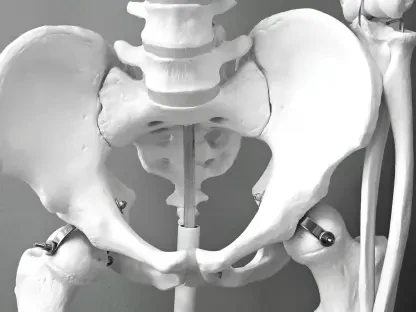

The pursuit of restoring mobility for individuals living with progressive skeletal conditions has long been a focal point of pediatric orthopedics and endocrinology. Fibrous dysplasia represents one of the most significant challenges in this field, as it involves a systematic process where healthy, mineralized bone is slowly replaced by disorganized fibrous-osseous tissue. This transformation renders the skeleton structurally unsound, leading to a cascade of complications that extend far beyond simple fractures. Patients often endure chronic, debilitating pain and progressive deformities that eventually necessitate the use of mobility aids. The emotional and physical toll on children is particularly acute, as the disease coincides with critical developmental windows, often preventing them from achieving standard milestones like independent walking. This condition is not merely a localized bone issue but a systemic failure of mineralization that strips away the patient’s independence and quality of life.
Evaluating a Targeted Biologic Approach
The NIH Clinical Trial and Drug Mechanism
Investigating the molecular drivers of skeletal degradation, a dedicated research team at the National Institutes of Health, spearheaded by Dr. Alison M. Boyce, initiated a phase 2 clinical trial to evaluate the efficacy of burosumab. This specific monoclonal antibody was engineered to interrupt the pathological signaling caused by the overproduction of fibroblast growth factor-23 (FGF23). In patients with fibrous dysplasia, excess FGF23 acts as a signal for the kidneys to flush out essential phosphate, leading to a state of chronic hypophosphatemia. By binding to and neutralizing this hormone, burosumab aims to halt the “wasting” of minerals, thereby allowing the body to retain the building blocks necessary for bone hardening. This trial represented a shift from traditional, often ineffective oral supplementation toward a sophisticated biologic intervention that addresses the root cause of the mineral imbalance at a cellular level.
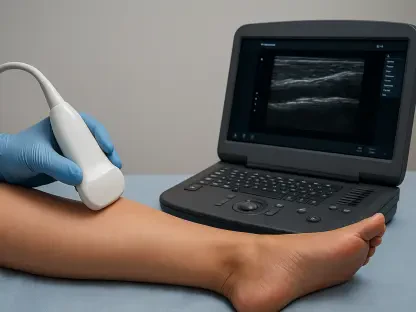
The framework of the study involved twelve participants, consisting of seven children and five adults, all of whom presented with high disease burdens and significant mobility impairments. At the onset of the 48-week trial, the baseline for these individuals was characterized by a heavy reliance on wheelchairs, walkers, and crutches due to the fragility of their skeletons. To assess the impact of burosumab, the researchers employed a comprehensive monitoring strategy that combined biochemical assays with advanced imaging techniques. They tracked phosphate levels and bone turnover markers alongside patient-reported outcomes to determine if the drug could translate into tangible improvements in physical movement. The objective was to see if normalizing the internal chemical environment could lead to a stabilization of the skeletal structure, potentially reversing some of the functional declines seen in both the pediatric and adult cohorts over the treatment period.
Biochemical Findings and Mineral Homeostasis
Restoring phosphate metabolism served as the primary biochemical benchmark for the success of the NIH study. Burosumab demonstrated an impressive ability to regulate this process by performing two vital functions: it improved the kidneys’ capacity to reabsorb phosphate and simultaneously boosted the production of active vitamin D. This dual action is crucial because vitamin D is the primary driver of intestinal phosphate absorption, ensuring that the body not only keeps the phosphate it has but also absorbs more from the diet. By the conclusion of the 48-week observation window, every single participant had achieved phosphate levels within the mid-to-upper normal range. This was a landmark result, as traditional oral therapies rarely achieve such consistent and stable normalization without causing significant gastrointestinal distress or other metabolic complications for the patient.
Beyond the stabilization of serum phosphate, the research team observed a significant decline in serum alkaline phosphatase levels among the participants. This enzyme is widely recognized as a biomarker for high bone turnover, indicating that the diseased fibrous lesions are in an active, aggressive state of growth and remodeling. A reduction in this marker suggests that the biologic therapy might be doing more than just providing the necessary minerals for bone health; it may actually be tempering the underlying disease activity itself. By calming the overactive metabolic state within the bone tissue, burosumab creates a more favorable environment for the existing bone to remain stable. This biochemical shift provided the necessary physiological evidence to explain why patients were feeling stronger and experiencing fewer symptoms related to their skeletal fragility during the course of the treatment.
Clinical Success and Patient Outcomes
Biochemical Stability and Safety Observations
A critical component of any new biologic intervention is the rigorous assessment of its safety profile, especially when treating a condition as complex as fibrous dysplasia. There was an underlying concern among the medical community that inhibiting FGF23 pathways could inadvertently stimulate the growth of fibrous lesions or increase metabolic activity within the abnormal bone tissue. To mitigate these risks, the NIH researchers utilized sophisticated PET/CT imaging and conducted precise lesion biopsies throughout the trial duration. The data gathered from these diagnostic tools were highly encouraging, showing no evidence that burosumab accelerated the expansion of the diseased tissue. This finding was vital for establishing the drug’s safety, proving that targeting the hormone did not exacerbate the primary pathology of the disease while it worked to correct the secondary mineral deficiencies.
The clinical experience of the participants further supported the safety of the monoclonal antibody, with most reported side effects being classified as mild and manageable. Typical reactions included temporary fluctuations in phosphate levels that required minor dosage adjustments or localized irritation at the site of the injection. These minor issues stood in stark contrast to the severe gastrointestinal side effects often associated with the high-dose oral phosphate supplements that have been the standard of care for decades. The ability of the participants to tolerate the medication throughout the 48-week period without significant adverse events provides a strong argument for the long-term viability of burosumab. This safety profile gives clinicians the necessary confidence to consider biologic therapies for a population that is already physically vulnerable and prone to complications from traditional medical interventions.
Transformative Mobility and the Future of Care
The most profound impact of the NIH study was observed in the dramatic improvements in physical function, particularly among the pediatric participants who faced the greatest risk of long-term disability. Children in the trial reported a significant decrease in the intensity of bone pain and a reduction in the pervasive fatigue that often accompanies chronic skeletal disorders. As their pain subsided and their mineral levels stabilized, these young patients found themselves capable of engaging in physical activities that were previously impossible. One of the most remarkable outcomes involved a child who had been entirely dependent on a wheelchair and regained the ability to walk completely unassisted. Another child, who had never achieved the milestone of independent walking, was able to navigate short distances using a walker, representing a life-changing advancement in their personal autonomy and physical development.
The success of this clinical trial signals a necessary evolution in the management strategies for rare bone diseases and phosphate-wasting disorders. Dr. Boyce and her colleagues have demonstrated that aiming for the “mid-to-upper normal” range of phosphate is not only safe but provides superior functional outcomes compared to just maintaining minimal survival levels. This research underscores the importance of precision medicine, where therapies are tailored to the specific molecular pathways driving a disease rather than just addressing surface-level symptoms. Moving forward, the integration of targeted biologics like burosumab into the standard of care could significantly reduce the need for burdensome oral regimens. By intervening early with such effective treatments, medical professionals can help patients maintain their mobility during critical years, fundamentally changing the expected trajectory of fibrous dysplasia from one of decline to one of sustained physical independence.
In conclusion, the investigation into burosumab has established a new framework for treating the complex mineral imbalances associated with fibrous dysplasia. The transition from oral supplementation to targeted monoclonal antibodies allowed participants to achieve a level of biochemical stability that was previously unattainable for many. These physiological improvements translated directly into enhanced mobility and a reduction in the daily pain that characterizes the lives of those with skeletal fragility. The evidence from the NIH trial suggests that the medical community should prioritize the early adoption of biologic therapies to prevent the permanent structural damage and loss of independence that often follow late-stage diagnosis. Clinicians and researchers must now focus on expanding access to these treatments and refining dosage protocols to ensure that every patient can benefit from the high-level mineral restoration seen in this study. Ultimately, this progress has turned the goal of independent walking into a realistic expectation for children who once faced a future defined by mobility aids.