
Deploying FDA Class I therapeutic massagers directly in production zones allows employees to manage physical soreness without initiating a formal clinical record. The modern warehouse environment operates at a relentless pace, often pushing the physical limits of the human body through repetitive motions and heavy lifting. This shift in industrial safety marks a significant departure from traditional reactive models where a worker only receives attention after an injury has occurred. By integrating recovery tools like the RCT Industrial directly into the workflow, organizations can address muscle fatigue the moment it arises. This proactive stance acknowledges that cumulative trauma is often the result of unaddressed minor strains. When employees have the autonomy to manage their own physical maintenance during scheduled breaks, the likelihood of these small issues escalating into chronic musculoskeletal disorders decreases significantly. This approach transforms the factory floor into a place that actively supports the structural integrity of its workforce.
Bridging the Gap: The Rise of On-Site Recovery Technology
Immediate Access: Integrating Mechanical Soft-Tissue Stimulation
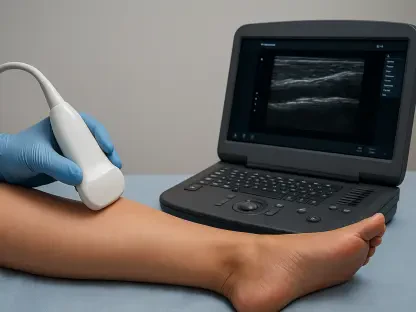
The introduction of ruggedized recovery devices signifies a new era where industrial-grade durability meets advanced therapeutic technology. Unlike consumer-grade percussion massagers, which often fail under the rigorous demands of a 24-hour manufacturing facility, these specialized tools are built to withstand dust, vibrations, and constant use. The mechanism provides mechanical soft-tissue stimulation, a process that increases localized blood flow and alleviates tension in muscle groups most affected by manual labor. By placing these units in break rooms or designated recovery stations, companies eliminate the barriers of time and distance that typically prevent workers from seeking relief. A six-minute self-administered session can be the difference between a productive shift and a debilitating strain. This immediacy ensures that the physiological response to labor is managed in real-time, effectively resetting the muscle’s state before the next task begins. It creates a culture where physical health is a foundational component of efficiency.
Regulatory Compliance: Navigating the First-Aid Classification
Central to this strategy is the classification of these devices as first-aid tools rather than medical treatments. Under current regulatory frameworks, providing a worker with a therapeutic massager for minor soreness does not constitute a medical intervention that requires formal documentation. This distinction is vital for safety managers who must navigate the complex landscape of recordable incidents. By utilizing an FDA Class I device, employers can offer physical support without over-medicalizing routine fatigue. To ensure safety, a “red-flag” screening process redirects workers with severe symptoms, such as numbness or sharp pain, to professional clinical care. This layered approach protects both the employee and the organization by creating a clear boundary between recovery and necessary medical intervention. Reducing the number of recordable injuries has a direct impact on insurance premiums and long-term costs. This proactive model aligned business interests with well-being, creating a stable framework for sustainable growth.
Future-Proofing the Industrial Workforce: Actionable Next Steps
Forward-thinking organizations adopted a shift toward on-the-spot recovery to address the physical demands of modern manufacturing. This transition required safety managers to move away from reactive reporting structures and instead embraced a proactive first-aid culture. By integrating therapeutic massagers into daily operations, these companies successfully lowered the incidence of recordable musculoskeletal disorders and improved overall employee retention. The key to this success was the implementation of accessible, durable technology coupled with screening protocols that ensured professional medical care remained the priority for severe symptoms. Leaders prioritized the structural health of their teams by providing the necessary tools for self-care directly in the production environment. This move proved that managing minor physical fatigue early is the most effective way to prevent long-term disability. Organizations then established regular audits and training to sustain these benefits as a permanent standard, ensuring that every worker remained at their physical peak.