
By offering tax-free monthly allowances of up to N200,000, the state government is actively incentivizing medical personnel to remain in Nigeria rather than seeking opportunities abroad. This strategic move forms a critical pillar of a broader initiative to overhaul the regional healthcare system, which has long been burdened by the flight of skilled professionals and a heavy reliance on external medical services. Historically, the region faced a significant economic drain, with residents spending billions of naira annually on healthcare elsewhere. To address this, the current administration has implemented the MORE Agenda, a governance blueprint focused on creating a self-sufficient healthcare environment. By prioritizing the acquisition of sophisticated medical technology and expanding the workforce, the state aims to transform itself into a primary hub for advanced diagnostics. This transition is not merely about infrastructure but about restoring public trust in local institutions and ensuring that high-quality care is accessible to every citizen regardless of their economic standing.
Modernizing Medical Infrastructure and Technology
High-Tech Diagnostics: Strategic Distribution and Implementation
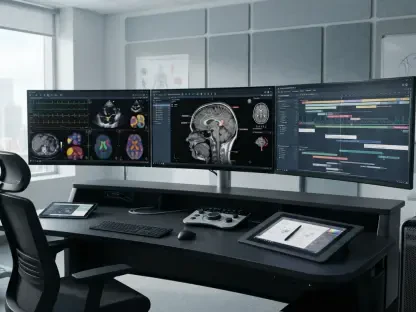
The government has prioritized the decentralization of advanced diagnostic tools by installing high-capacity, 1.5 Tesla helium-free MRI machines across the state’s three senatorial districts. These specific units represent a significant leap in radiological capabilities, as they do not require the complex liquid helium cooling systems that often lead to logistical challenges in traditional hospital settings. By placing these machines in Asaba, Warri, and Oghara, the administration ensured that residents no longer need to travel hundreds of miles to access precise internal imaging. This deployment was specifically designed to reduce the wait times and high costs associated with private diagnostic centers or facilities outside the state. The strategic placement across the North, South, and Central districts serves as a model for regional equity in healthcare delivery, ensuring that advanced technology is not concentrated in a single urban center but is instead available to the broader population.
Local Access: Expanding Imaging and Renal Care
In addition to the MRI units, the state has deployed several CT scanners and twenty-five 4D ultrasound machines to bolster primary and secondary care facilities. The distribution of these ultrasound units is particularly impactful, as one has been allocated to a general hospital in each of the twenty-five local government areas. This ensures that even residents in rural communities have access to high-resolution prenatal and diagnostic imaging that was previously unavailable at the local level. Furthermore, the state has significantly improved its renal care capabilities by adding eight new dialysis machines to major hospitals. These investments were targeted at addressing the rising demand for kidney-related treatments and reducing the financial burden on patients who require regular sessions. By integrating these tools into the existing hospital network, the government created a comprehensive diagnostic ecosystem that supports both emergency interventions and long-term chronic disease management.
Investing in Human Capital and Professional Retention
Combating Brain Drain: Employment and Workforce Stability
To address the critical shortage of medical professionals often referred to as the brain drain, the state has hired over 700 new health workers to fill essential gaps in service delivery. This massive recruitment drive was paired with a unique administrative mandate that required the immediate replacement of any doctor or nurse who resigns or relocates. This policy was designed to prevent the service vacuums that frequently occur in public hospitals when staff leave for opportunities elsewhere. By maintaining a constant headcount, the administration ensured that patient-to-provider ratios remained within acceptable limits, thereby improving the overall quality of care and reducing staff burnout. The focus on human capital acknowledges that even the most advanced medical equipment is ineffective without a consistent and well-trained workforce. This proactive approach to staffing has stabilized the healthcare environment, providing a more reliable experience for patients visiting state facilities.
Financial Incentives: Stabilizing the Medical Talent Pool
The introduction of substantial, tax-free monthly bonuses has played a pivotal role in stabilizing the state’s medical talent pool. Doctors now receive an additional N200,000 per month, while other health officers are provided with N100,000, creating a financial structure that makes local service much more competitive compared to the risks of moving overseas. These incentives were specifically tailored to alleviate the economic pressures that often drive young clinicians to seek better-paying positions in Europe or North America. By providing these benefits, the government demonstrated a clear commitment to valuing the expertise of its medical professionals. This strategy has not only helped in retaining experienced practitioners but has also made the state a more attractive destination for specialists from other regions. The stability of the workforce is now a cornerstone of the state’s healthcare strategy, ensuring that the heavy investments in technology are matched by a dedicated and motivated team of clinicians and support staff.
Achieving Regional Self-Reliance and Economic Growth
Social Safety Nets: Protecting Vulnerable Populations
Delta State has significantly expanded its contributory health insurance scheme, which now provides coverage to over three million people. This program is a vital component of the state’s efforts to achieve universal health coverage and ensure that financial status does not become a barrier to life-saving treatment. A standout feature of this initiative is the dedicated welfare package for 10,000 widows, which includes both free healthcare and a monthly stipend to support their basic needs. Additionally, the state maintains a policy of free medical treatment for all children aged five and under, recognizing the critical importance of early childhood intervention. These social safety nets were designed to protect the most vulnerable segments of the population from the rising costs of private medical care. By institutionalizing these benefits, the government created a sustainable model for social equity that complements its high-tech infrastructure goals and ensures that the benefits of reform are felt by all citizens.
Sustainable Impact: Building Regional Medical Self-Reliance
The administration established a comprehensive roadmap that prioritized the maintenance of medical assets through specialized private-sector partnerships. It moved beyond simple procurement by instituting a rigorous oversight framework that ensured long-term operational efficiency and prevented equipment downtime. To sustain these gains, the state government integrated technical training into the core curriculum of local medical colleges, ensuring a steady supply of operators for the high-end machinery. Future considerations were addressed by creating a decentralized management model that empowered local hospital administrators to oversee facility upgrades and resource allocation. This holistic strategy demonstrated that financial investment must be paired with structural accountability to yield permanent improvements in public health. By focusing on these specific actions, the region successfully transitioned from a state of dependency to a model of self-sufficiency. These measures offered a clear path for other regions to follow when attempting to reverse the trend of medical tourism.