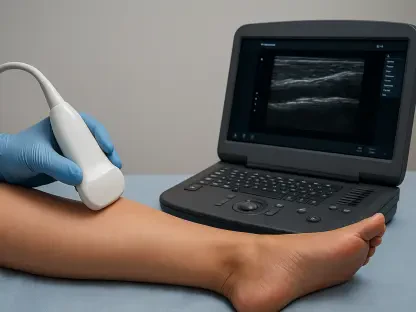

The traditional framework of healthcare administration is undergoing a fundamental transformation as UnitedHealth Group moves to dismantle long-standing barriers that have historically defined the relationship between insurers and providers. By initiating a sweeping plan to eliminate prior authorization requirements for approximately 30% of medical services that previously necessitated rigorous review, the company is signaling a massive shift in its operational philosophy. This strategic pivot focuses on high-volume outpatient procedures, including common surgeries, diagnostic tests like echocardiograms, and various outpatient therapies such as chiropractic care. While only a small fraction of the total services provided by the organization currently require these formal approvals, the administrative burden associated with them has long been a point of contention for medical professionals. This move represents a calculated attempt to reduce friction within the delivery system while maintaining a competitive edge.
Administrative Streamlining: The New Era of Medical Necessity
UnitedHealth’s decision to phase out these requirements by the end of 2026 reflects a broader trend toward digitizing and simplifying the healthcare experience for both patients and clinicians. By removing the need for advance approval on standardized procedures, the company aims to expedite patient care and alleviate the documentation workload that often delays critical treatments. This transition is not merely about removing rules but rather about modernizing the entire oversight mechanism through electronic data exchange and standardized protocols. As health systems become more integrated, the necessity for manual intervention in routine diagnostic assessments has diminished. The focus is shifting toward an automated model where clinical guidelines are embedded directly into the workflow of the treating physician. This evolution suggests that the historical reliance on prior authorization as a primary cost-control tool is being replaced by more sophisticated, data-driven methods of utilization management.
The industry-wide move toward streamlining is further evidenced by similar actions taken by major competitors who are also seeking to optimize their care coordination efforts. For instance, CVS Health’s Aetna division has been aggressively pursuing initiatives to standardize and automate a significant portion of its authorization processes. This collective push suggests a recognition that the administrative costs of maintaining complex approval layers often outweigh the potential savings from denied claims. By leveraging advanced analytics and real-time data sharing, insurers can now identify patterns of appropriate care without requiring a case-by-case review. This systemic change is designed to foster a more collaborative environment where the insurer and the provider share a common understanding of medical necessity. As these new protocols become the standard across the managed-care sector, the ability to balance speed with clinical accuracy will become the primary differentiator for market leaders.
Financial Performance: Analyzing Market Resilience and Profit Margins
Investor confidence in this new operational model was clearly demonstrated by the positive reaction in the financial markets following the initial policy announcement. UnitedHealth Group saw its stock value climb by roughly 1% to reach an intraday high of $368.50 on May 6, 2026, reflecting a cautiously optimistic sentiment among shareholders. This growth occurred against a backdrop of impressive quarterly results, with the company reporting revenue of $111.7 billion and an adjusted profit outlook that exceeded $18.25 per share. The financial community has closely monitored these changes, looking for signs that the removal of administrative safeguards will not lead to an unsustainable surge in medical expenditures. The robust earnings report provided a necessary cushion, suggesting that the organization is operating from a position of strength as it implements these significant policy changes. This “beat-and-raise” performance has allowed the company to maintain its leadership position even as rivals also report strong figures.
The transition toward a less restrictive authorization environment required a deliberate focus on long-term sustainability rather than short-term administrative relief. Stakeholders recognized that while reducing prior authorization simplified the delivery of care, it also introduced specific risks regarding high utilization rates within the Medicare Advantage sector. To mitigate these concerns, the company prioritized the integration of electronic submission systems that allowed for more precise monitoring of medical necessity in real-time. Leaders within the organization shifted their focus toward data standardization and provider education to ensure that clinical guidelines were followed without the need for manual interference. This approach provided a blueprint for other insurers looking to modernize their utilization management strategies while protecting their profit margins. By the conclusion of the second quarter, the results confirmed that streamlined processes could indeed coexist with stable financial performance if supported by a robust digital infrastructure.