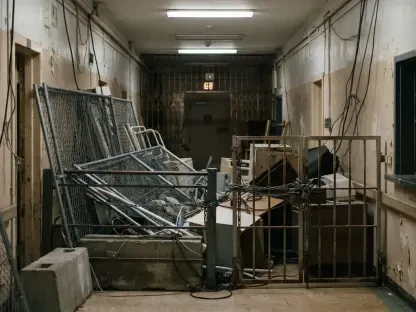

The sight of a child spending days or even weeks confined to a windowless emergency department room while waiting for a psychiatric bed has become a hauntingly familiar reality for modern healthcare systems. This phenomenon, known as pediatric boarding, represents a systemic failure where the most vulnerable patients are left in a state of clinical limbo that often exacerbates their initial distress rather than healing it. For years, the traditional response to a youth mental health crisis was almost exclusively hospital-centric, relying on inpatient stabilization as the primary safety net. However, the surge in demand for mental health services has consistently outpaced the availability of specialized beds, leading to dangerous bottlenecks in emergency departments. Current data indicates that at the peak of recent healthcare strain, pediatric cases accounted for a staggering 33% of all boarding instances. Addressing this crisis requires a fundamental shift away from the waiting room and toward the living room, utilizing clinical models that treat the environment as part of the cure.
Evaluating the Clinical Effectiveness of Community Intervention
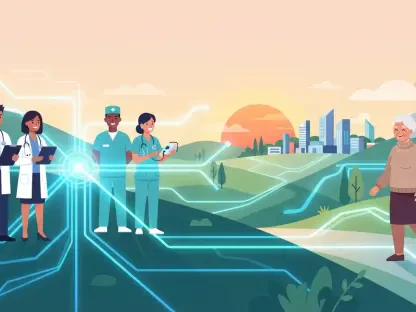
The transition from institutional confinement to home-based clinical intervention has demonstrated a profound impact on long-term recovery metrics for children experiencing acute psychiatric episodes. By embedding specialized clinical teams directly within hospital emergency departments, healthcare providers can now offer immediate, evidence-based care that begins the moment a family enters the facility. This model, pioneered through collaborative efforts between youth services and state health departments, focuses on intensive stabilization that follows the child home rather than keeping them in a hospital gown. Statistics from ongoing programs reveal that approximately 95% of youth who receive this specialized in-home support are still living safely in their communities one year after the initial crisis. Furthermore, 96% of these participants remain enrolled in school, which is a critical indicator of social and developmental stability. These results suggest that the familiarity and security of the home environment provide a more effective therapeutic foundation than a sterile, high-stress hospital corridor.
The human element of this shift is perhaps even more compelling than the data, as seen in the life trajectories of teenagers who were once trapped in a cycle of repeated emergency room visits. Many adolescents who previously struggled with chronic suicidal ideation and frequent hospitalizations have found that intensive home-based therapy provides the tools necessary to manage their conditions in real-world settings. Instead of learning to cope within the artificial environment of a psychiatric ward, these patients work with clinicians to navigate the specific triggers and stressors present in their daily lives. This practical approach has enabled many to transition from the brink of academic failure to successful college enrollment and stable early adulthood. By focusing on the family unit as a whole, these programs build a sustainable support system that extends far beyond the duration of the clinical intervention. This methodology not only addresses the immediate safety concerns but also equips the household with long-term strategies to prevent future crises, effectively breaking the cycle of emergency department reliance.
Assessing the Financial Sustainability of Alternative Care Models
From a fiscal perspective, the argument for maintaining and expanding home-based pediatric mental health programs is overwhelmingly supported by the sheer disparity in cost between different care settings. Emergency department boarding is an incredibly inefficient use of public and private healthcare funds, with costs often averaging around $250 per hour for a patient who is essentially waiting for care rather than receiving it. In stark contrast, specialized in-home clinical models operate at a fraction of that price, typically costing the state approximately $165 per day. This massive reduction in expenditure does not come at the expense of quality; rather, it reflects the lower overhead of community-based services compared to the intensive infrastructure requirements of an emergency department or an inpatient psychiatric unit. For policymakers facing tight budgets and inflationary pressures, these programs offer a rare opportunity to achieve better clinical outcomes while simultaneously reducing the overall burden on the state’s healthcare treasury.
Beyond the immediate daily savings, the long-term economic benefits of home-based intervention include a significant reduction in recidivism and long-term institutionalization. When a child is successfully stabilized at home, the likelihood of them returning to the emergency department within 30 days drops precipitously, which frees up critical resources for other medical emergencies. The current landscape of healthcare requires a strategic allocation of funds toward programs that have a proven track record of reducing the “boarding” phenomenon, which has already decreased from its pandemic highs to about 12% today. Sustaining this downward trend is dependent on continued investment in these results-driven services. Lawmakers and healthcare administrators must recognize that cutting funding for community-based programs is a short-sighted move that inevitably leads to higher downstream costs as children end up back in expensive, overcrowded hospital settings. The efficiency of the home-based model proves that fiscal responsibility and compassionate care are not mutually exclusive goals in the modern era.
Developing Future Pathways for Integrated Behavioral Health
As the healthcare industry moves from 2026 to 2028, the focus must shift toward scaling these successful pilot programs into a permanent, standardized tier of the pediatric mental health system. The next logical step involves integrating these mobile clinical teams more deeply with school systems and primary care physicians to identify at-risk youth before they ever reach the emergency department. By creating a proactive rather than reactive network, the medical community can move toward a model of “pre-crisis” intervention where home-based support is triggered by early warning signs. This evolution will require a commitment to workforce development, ensuring that there are enough trained clinicians to meet the demand for intensive community services. Technology will also play a role, as telehealth platforms can supplement in-person visits, allowing specialists to provide oversight and support to families in rural or underserved areas where physical access to specialized hospitals remains a significant barrier.
The ultimate success of resolving the pediatric boarding crisis lies in the ability of state leaders to protect the progress made through innovative clinical partnerships. It is essential to maintain rigorous data collection to continuously refine these home-based models, ensuring they remain responsive to the changing needs of diverse populations. Stakeholders should advocate for policy changes that incentivize hospitals to partner with community organizations, creating a seamless transition from the ER to the home. Rather than viewing the emergency department as the end of the road, it should be seen as a brief triage point that leads directly to a more appropriate, long-term therapeutic setting. Future efforts must prioritize the expansion of these services to cover all geographic regions, ensuring that a child’s access to life-saving home-based care is not determined by their zip code. By doubling down on proven clinical pathways, the healthcare system can finally move past the era of boarding and toward a future where every child receives the right care, in the right place, at the right time.