
The picturesque landscapes of the Blue Ridge Mountains and the bustling shipyards of Hampton Roads often mask a pervasive and silent crisis that is currently undermining the psychological foundation of men throughout the Commonwealth of Virginia. While public awareness campaigns and the observation of Men’s Mental Health Month have become more visible in 2026, a stubborn and deep-seated culture of silence continues to obstruct real progress, particularly in high-pressure regions where the demand for stoicism remains high. This silence is rarely a matter of personal preference; rather, it is the predictable result of systemic expectations that compel men to prioritize external stability over their own internal mental health. The community must recognize that periodic awareness, though a helpful starting point, is insufficient for addressing the root causes of psychological distress. For a genuine transformation to occur, the dialogue surrounding mental well-being must be woven into the daily reality of Virginian life, moving beyond symbols to address the structural barriers that discourage men from seeking help until a total crisis point is reached. Dismantling these barriers requires a collective commitment to honesty and a shared understanding that psychological resilience is not the absence of struggle, but the capacity to address it openly.
The Cultural Weight of Traditional Masculinity
The Pressure of Performance: Stoicism and the Provider Role
Men in Virginia carry immense responsibilities across various social identities, often serving as the primary pillars of support for their families, workplaces, and local communities. These roles as fathers, husbands, and providers create a rigid expectation of performance that leaves very little room for the admission of vulnerability or the expression of psychological fatigue. When the standard for success is defined by unshakeable stability and a constant output of productivity, many men feel that acknowledging a personal struggle is synonymous with a failure of character. This mindset is particularly prevalent in industries such as agriculture in the Shenandoah Valley or the corporate hubs of Northern Virginia, where the “grind” is often celebrated as a badge of honor. Consequently, the pressure to maintain a perfect image of strength prevents many from reaching out to friends or professionals, as the fear of being perceived as weak outweighs the desire for relief. This dynamic creates a dangerous environment where the most burdened individuals are often the least likely to receive the support they desperately need to function effectively in their vital roles.
The societal pressure to project a consistent “facade of strength” forces many men to internalize severe anxiety, depression, and trauma rather than processing these emotions in a healthy manner. This internal battle is frequently fought in total isolation, creating a significant disconnect between a man’s composed outward appearance and his actual internal reality. Without a safe outlet for these complex emotions, the burden of maintaining a stoic image becomes a significant risk factor for long-term psychological decline and physical health complications. The resulting isolation often leads to maladaptive coping mechanisms, such as substance abuse or social withdrawal, which further complicate the path to recovery. Breaking this cycle requires a fundamental shift in how the community defines masculinity, moving away from the idea that silence is a virtue. By fostering environments where emotional honesty is treated with the same respect as physical endurance, the Commonwealth can begin to reduce the stigma that keeps so many men trapped in a cycle of suffering. The goal is to ensure that no man feels he must sacrifice his mental well-being to satisfy an outdated cultural expectation of performance.
Unique Challenges: The Military Community and Service Transitions
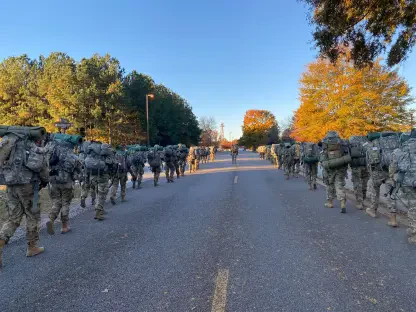
In a region defined by its heavy military presence, particularly in the Hampton Roads area, service members and veterans face a specific set of hurdles that complicate their mental health journey. The transition from active duty to civilian life is often a jarring experience, exacerbated by a professional culture that has historically prized psychological disclosure less than physical readiness and mission accomplishment. For these individuals, the weight of service-induced trauma is compounded by the difficulty of finding a civilian community that truly understands their unique background and honors their need for specialized support. The abrupt loss of the structured military environment can leave many veterans feeling adrift, struggling to find a new sense of purpose while simultaneously managing the invisible wounds of their service. Furthermore, the persistent fear that seeking mental health assistance might impact their security clearances or future employment opportunities remains a significant deterrent. Addressing these concerns requires a concerted effort from both state agencies and local veteran organizations to provide confidential, accessible, and culturally competent care that respects the unique experiences of the military population.
Building a bridge between military service and civilian stability involves more than just job placement programs; it requires a comprehensive approach to emotional reintegration. Many veterans in Virginia find themselves in a “gray zone” where they are no longer part of the active-duty support system but have not yet integrated into local mental health networks. This gap in care can lead to a sense of alienation, which is a major contributor to the high rates of veteran suicide and chronic depression observed across the state. To mitigate this risk, Virginia must enhance its peer-to-peer support initiatives, allowing veterans to connect with others who have navigated similar transitions. These programs serve as a vital lifeline, offering a space where the shared language of service allows for a level of transparency that might be difficult to achieve in traditional clinical settings. By prioritizing the mental health of those who have served, the Commonwealth not only honors their sacrifice but also strengthens the overall fabric of the community. Ensuring that veterans have the resources to heal is an essential step in breaking the silence that has long characterized the intersection of military life and psychological well-being.
External Stressors and Regional Realities
Environmental and Economic Anxiety: The Baseline of Stress
Mental health does not exist in a vacuum, and the external environment in Virginia provides a constant stream of stressors that can overwhelm even the most resilient individuals. Recent “Code Red” air quality alerts and ongoing concerns regarding chemical contaminants in the water supply add a layer of biological and public health anxiety to the general population. These environmental factors affect the overall quality of life, creating a baseline level of physiological stress that can exacerbate existing mental health struggles. For men who work outdoors in construction, landscaping, or shipping, the direct impact of these environmental hazards is even more pronounced, leading to concerns about long-term physical health and economic stability. The uncertainty surrounding the safety of basic resources like air and water creates a pervasive sense of vulnerability that is often difficult to articulate but deeply felt. When people feel that their physical environment is hostile or unpredictable, it becomes much harder to maintain the mental clarity needed to manage daily life and professional responsibilities effectively.
Economic instability further strains the mental well-being of men who feel the relentless pressure to provide for their households in an increasingly expensive world. The ongoing housing crisis in Virginia and complex debates over land value taxes and local zoning ordinances create an environment of financial uncertainty that hits families hard. When systemic economic issues threaten a man’s ability to maintain a stable home or support his dependents, the resulting stress often manifests as internalized anxiety that is rarely discussed in public forums. The rising cost of living in urban centers like Richmond and Alexandria forces many to take on multiple jobs, leaving little time for self-care or meaningful social interaction. This financial strain is not just a logistical problem; it is a profound psychological burden that can lead to feelings of inadequacy and hopelessness. By addressing these economic and legislative challenges as part of a broader public health strategy, the state can reduce the external pressures that drive men toward isolation. Providing a more stable economic foundation is a form of preventative mental health care that allows individuals to focus on their well-being rather than mere survival.
Public Safety: Community Well-being and Collective Trauma
Public safety concerns and local tragedies, including high-profile school shootings and violent incidents in areas like Newport News, contribute to a sense of collective trauma that affects all residents. These events ripple through the community, severely impacting the sense of security that fathers and neighbors strive to maintain for their families and social circles. The cumulative effect of these tragedies creates a heavy psychological toll on men who feel a profound sense of responsibility for the safety and protection of those around them. This “protector” mindset can lead to hyper-vigilance and chronic stress, especially when the threats feel unpredictable and beyond personal control. When the community is in a constant state of mourning or fear, the emotional labor required to provide comfort to others can leave men depleted of their own psychological resources. It is essential to recognize that public safety is not just a matter of law enforcement; it is a critical component of community mental health that requires a compassionate and proactive response from all levels of leadership.
The long-term impact of community violence often manifests in ways that are subtle and difficult to track, such as increased irritability, sleep disturbances, and a withdrawal from public life. In Virginia, where community ties are often strong, a single act of violence can fracture the social trust that holds a neighborhood together. For men, the inability to guarantee safety for their children or spouses can lead to a crisis of identity, as they struggle to reconcile their traditional roles with the reality of modern societal dangers. To address this, local governments must prioritize trauma-informed care and community-based interventions that focus on healing the collective psyche. This includes creating safe spaces where men can process their reactions to violence without judgment and providing resources that help them navigate the complexities of modern safety concerns. By fostering a sense of shared resilience and collective action, the Commonwealth can help men move from a state of fear to one of empowered engagement. Addressing the root causes of violence and providing support for those affected is a vital part of building a healthier, more secure Virginia for everyone.
Creating a Comprehensive Support Framework
Transparency and Institutional Accountability: Building Public Trust
There is a growing demand in Virginia for institutional transparency, ranging from the unsealing of court records to ensuring greater honesty in political and legal discourse. This movement for accountability mirrors the call to break the silence on mental health, suggesting that keeping information—or emotions—sealed away is fundamentally detrimental to the public good. Transparency in leadership and the legal system helps build the trust necessary for individuals to feel safe sharing their own personal truths and seeking assistance. When men see that the institutions they rely on are willing to admit mistakes and operate with integrity, it sets a powerful precedent for their own personal lives. Institutional honesty reduces the skepticism that many feel toward government-sponsored health initiatives, making them more likely to utilize available resources. By fostering a culture of openness at the highest levels of society, Virginia can create an environment where the search for help is viewed as a rational and supported action rather than a risky vulnerability.
Addressing the legislative and economic drivers of stress must be viewed as an essential component of any modern mental health strategy. By focusing on practical solutions for affordable housing and fair economic policies, the state can significantly lower the overall level of community anxiety and provide a more stable foundation for individual recovery. Legislative success in these areas acts as a vital form of preventative care, reducing the external triggers that often lead to severe psychological distress. For example, policies that promote work-life balance and provide protections for workers seeking mental health treatment can change the landscape of the professional world in Virginia. When men feel that their jobs and homes are secure, they are much better positioned to invest in their psychological health. The integration of mental health considerations into all areas of public policy—from urban planning to tax reform—ensures that the Commonwealth is building a society that prioritizes the human element. This holistic approach is the only way to create lasting change that survives beyond a single awareness month or political cycle.
A Cultural Shift: Redefining Strength Through Action
Ultimately, breaking the silence requires a fundamental shift from outdated models of stoicism to a more sustainable and modern definition of strength. The community must work together to ensure that when men finally choose to speak about their struggles, there is a supportive, honest, and equipped society ready to listen and act. By dismantling harmful stereotypes and building a culture of proactive care, Virginia can move from simple awareness to a future of actual healing and stability. This involves investing in community-led initiatives, expanding access to telehealth services, and ensuring that mental health professionals are trained to handle the specific needs of men from diverse backgrounds. The goal is to create a Virginia where seeking mental health support is as routine as going for a physical checkup, and where the “strong, silent type” is replaced by the “strong, self-aware individual.” This cultural evolution is not about changing who men are, but about giving them the tools they need to be the best versions of themselves for their families and their communities.
The Commonwealth implemented several key measures to address these challenges, including the expansion of peer-run crisis centers and the integration of mental health education into vocational training programs. State leaders successfully advocated for increased funding for mobile crisis units in rural areas, ensuring that help was available regardless of geography. These actionable steps provided a roadmap for other regions to follow, emphasizing the importance of meeting men where they are rather than waiting for them to seek help in traditional settings. The focus shifted toward preventative outreach, with community organizations hosting workshops that blended physical fitness with mental health discussions. By 2026, the progress made in these areas demonstrated that a coordinated, statewide effort could significantly lower the rates of untreated depression and anxiety among the male population. Moving forward, the continued success of these programs depended on the sustained commitment of local leaders to prioritize psychological well-being in their annual budgets. The transition to a more open society required the courage to have difficult conversations, but the resulting increase in community stability and individual health proved that the effort was well worth the investment.