
The rhythmic thrum of the Monongahela Valley is defined by a massive 400-acre industrial furnace that creates the steel backbone of the nation while simultaneously forcing a generation of local children to fight for every breath. In this corner of Pennsylvania, the air carries the scent of sulfur and the weight of an impossible choice between a paycheck and a pulse. The Clairton Coke Works, the largest facility of its kind in North America, stands as a monument to industrial endurance, processing coal at temperatures exceeding 2,000 degrees Fahrenheit. As federal policies shift toward a more lenient regulatory environment, this small town has become a testing ground for whether industrial survival can coexist with the basic human right to environmental safety.
This conflict is more than a local dispute; it is a critical intersection where national political promises meet the gritty reality of manufacturing towns. The tension between the “Make America Healthy Again” movement and the administrative push for industrial deregulation creates a volatile atmosphere for those living in the shadow of the plant. Residents find themselves at the center of a high-stakes tug-of-war, where the desire to restore American manufacturing greatness often seems to disregard the immediate health outcomes of the workers and families who reside nearby.
The Burning Question of Air Quality in America’s Steel Belt
The fundamental question facing Clairton is whether a community can remain viable when its primary economic engine poses a documented threat to the respiratory health of its youth. For decades, the coke plant has provided the essential carbon-rich fuel required for the American steel industry, acting as a heartbeat for the local economy. However, the emissions resulting from this process have cast a persistent shadow over the valley, leading to frequent air quality alerts and a sense of pervasive unease among the populace. The situation highlights a growing divide in national priorities, where the necessity of coal-fired manufacturing is weighed against the rising demand for modern environmental protections.
National policy shifts have recently accelerated this friction, as the federal government moves to dismantle various layers of environmental oversight. This deregulation is often framed as a way to preserve industrial jobs and prevent facility closures that could devastate local tax bases. In Clairton, this means that the residents are caught in a paradox: they rely on the facility for their livelihood, yet the very air they breathe is frequently compromised by the byproduct of their labor. The clash is not merely ideological; it is a daily lived experience for families who must monitor air quality indices before allowing their children to play outdoors.
Moreover, the debate over air quality in the steel belt is complicated by the presence of conflicting narratives regarding “clean coal” and modern filtration technology. While industry proponents argue that current operations are cleaner than they have been in a century, environmental data frequently suggests that the improvements are insufficient to meet modern health benchmarks. This gap in perception fuels a deep-seated mistrust between the local community and the industrial leaders who command the valley’s economy. The resulting stalemate prevents a clear path forward, as each side remains entrenched in its respective priorities of economic stability and public safety.
From Prosperity to Precarity: The Socioeconomic Context of Clairton
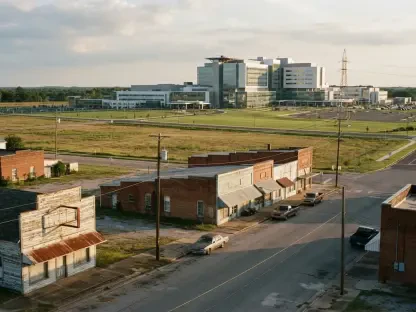
To comprehend the intensity of the struggle in Clairton, one must look at the town’s trajectory from a thriving center of global industry to a community where a third of the residents live below the poverty line. During the peak of the American steel era, the town was a beacon of middle-class prosperity, bolstered by the high-paying jobs and robust tax revenue generated by the coke works. As the industry faced global competition and technological shifts, the town’s population dwindled, leaving behind those who had few other options but to remain in the presence of an aging industrial giant. This historical context creates a “gut punch” scenario where the community’s survival is inextricably linked to the very source of its environmental burden.
The coke plant remains an economic titan, contributing nearly $3 billion in annual output and providing 1,200 manufacturing jobs that are vital for the regional economy. For many in the Monongahela Valley, the facility is not just a source of pollution but a lifeline that supports families, local businesses, and municipal services. This economic dependence makes the discussion of environmental regulation particularly fraught, as any threat to the plant’s operation is perceived as a direct threat to the town’s existence. The national trend of dismantling EPA protections is frequently justified as a safeguard for these types of vulnerable rust-belt towns, yet the benefits often fail to reach the most affected citizens.
Furthermore, this socioeconomic precarity creates a barrier to effective advocacy, as the fear of job loss often silences those who are most impacted by the plant’s emissions. The current administrative direction prioritizes the prevention of facility closures over the implementation of stringent health protections, arguing that a strong industrial base is the only way to lift these communities out of poverty. However, this logic ignores the long-term economic costs of a health-depleted workforce and the strain placed on local medical systems. The result is a cycle of dependency where the promise of industrial survival is used to justify the persistence of substandard environmental conditions.
Regulatory Rollbacks and the Battle Over Toxic Emissions
A significant shift in federal oversight has recently changed the landscape for coke plants across the United States, marking a departure from previous mandates that sought to minimize toxic leaks. Prior regulations required facilities to implement advanced benzene monitoring and perform extensive repairs on aging oven doors by the middle of the decade. These rules were designed to protect communities from the most harmful byproducts of coke production, which are known to have severe long-term health consequences. Under the current administrative philosophy, however, these requirements have been significantly softened or delayed in the name of economic viability and national industrial strength.
The administration recently granted a blanket two-year exemption to all 11 coke plants in the country, asserting that the technology required to meet the original standards is not currently feasible for the industry. This move was met with praise from industry executives who argued that the previous rules were an example of regulatory overreach that threatened the future of American steel. In contrast, environmental groups and local health officials point out that the Clairton facility has been a frequent violator of the Clean Air Act, often being labeled a “high priority” offender. The deregulation occurs despite evidence that the plant is responsible for a massive percentage of toxic releases in the surrounding county.
This battle over emissions is centered on a fundamental disagreement regarding the availability and cost of pollution-control technology. Industry leaders maintain that they are champions of environmental stewardship, citing the millions of dollars spent annually on compliance and maintenance. Conversely, health advocates argue that the technology necessary to save lives and reduce benzene exposure already exists but is being sidelined to protect short-term corporate profits. The refusal to implement these upgrades is seen as a betrayal of the public trust, especially when federal waivers provide a shield for facilities that have consistently failed to meet basic safety benchmarks.
Medical Reality and Expert Perspectives on Industrial Pollution
The human cost of the industrial activity in the Monongahela Valley is documented through a growing body of pediatric data and specialized medical research. Dr. Deborah Gentile and other medical experts have conducted extensive studies indicating that children in the Clairton area suffer from asthma at rates that are nearly triple the national average. These findings suggest a direct correlation between industrial emissions and chronic respiratory distress among the town’s most vulnerable residents. The data further shows that students living near the plant are significantly more likely to miss school during periods of high sulfur dioxide concentration, creating a long-term educational disadvantage for the community.
Beyond the immediate concerns of asthma and respiratory illness, the emission of benzene—a known human carcinogen—presents a more insidious threat to the local population. Oncology research in the region has identified an age-adjusted cancer death rate that far exceeds the average for the surrounding county. This medical reality highlights a deep rift within the current political coalition, as voters who support “medical freedom” and health-centric movements find their goals at odds with an EPA that has stopped weighing the health benefits of pollution reduction. The shift in regulatory focus has effectively removed the financial value of human health from the cost-benefit analysis used to justify industrial operations.
Medical professionals also emphasize that the impact of this pollution is not evenly distributed, as those living in high-poverty areas have less access to the specialized care required to manage chronic industrial-related illnesses. The constant exposure to toxic particulates creates a baseline of inflammation that makes the population more susceptible to various other health complications. Expert perspectives suggest that without a fundamental change in how the federal government evaluates the relationship between industry and health, the residents of Clairton will continue to serve as the silent collateral damage of national industrial policy. This disconnect between populist health rhetoric and deregulatory action remains one of the most significant challenges for the region’s medical community.
Strategies for Reconciling Manufacturing Survival and Public Health
Navigating the future of Clairton and similar industrial towns requires a comprehensive framework that moves beyond the simplistic choice between jobs and air quality. One essential strategy involves the implementation of independent property-line monitoring to ensure that local health departments have access to transparent and real-time data. By providing accurate information about toxic leaks, communities can enforce existing standards even when federal waivers are in place. This transparency serves as a bridge between the industry and the public, allowing for accountability without necessarily demanding the immediate closure of essential facilities.
A sustainable economic model for the steel belt could also involve tying federal subsidies directly to the installation of modern filtration technologies. Instead of granting blanket exemptions that allow aging plants to continue polluting, the government could provide the financial support necessary to modernize these facilities. This “health-first” approach would ensure that the American steel industry remains competitive on a global scale while simultaneously protecting the citizens who live in its proximity. Investing in technological upgrades rather than litigation or regulatory evasion could create a more stable environment for both the workers and the residents of the Monongahela Valley.
Ultimately, the path forward required a unified front that brought together union workers, local health researchers, and environmental advocates to demand industrial accountability. It was clear that the survival of the town depended on its ability to modernize, rather than its willingness to endure substandard conditions for the sake of tradition. The strategic implementation of fenceline monitoring and the prioritization of technological investment provided a blueprint for how other manufacturing hubs could handle the pressures of deregulation. By shifting the focus toward innovation and transparency, the community sought to protect its children while ensuring that the industrial heart of the region continued to beat. These efforts demonstrated that the protection of public health was the most valuable asset a town could possess in the pursuit of long-term economic stability.