
The rapid evolution of molecular medicine has reached a transformative threshold with the official inauguration of the National Initiative for RNA Biology and its Applications Hub in Singapore. Spanning roughly 2,000 square meters at the National University of Singapore, this state-of-the-art facility serves as a centralized engine designed to propel the next generation of therapeutic breakthroughs from the bench to the bedside. By consolidating high-end laboratories and specialized research teams under one roof, the center addresses a critical bottleneck in modern science: the slow transition from theoretical discovery to tangible patient care. This development comes at a time when the world is looking toward more precise, programmable medicine, moving beyond traditional small-molecule drugs to harness the inherent signaling power of nucleic acids. The establishment of this hub signals a strategic commitment to transforming fundamental RNA research into practical medical treatments that possess the potential to improve global health outcomes.
A Unified Framework: The Hub-and-Spoke Model
Efficiency in large-scale scientific endeavors often hinges on the ability to transcend institutional boundaries and share specialized resources across a diverse landscape of stakeholders. The organizational architecture of the initiative utilizes a hub-and-spoke model, which effectively integrates the central facility at NUS with various academic and governmental spokes, such as Nanyang Technological University and the Agency for Science, Technology and Research. This interconnected framework ensures that advanced technology and intellectual expertise flow seamlessly between different sectors, preventing the silos that often hinder innovation. Furthermore, the collaborative nature of this network directly supports the objectives outlined in the Research, Innovation and Enterprise 2030 plan, providing a robust foundation for long-term growth. By fostering a culture of open exchange and shared goals, the program maximizes the utility of every discovery, ensuring that local breakthroughs find their way into the international scientific discourse.
Beyond its organizational structure, the hub acts as a vital bridge between the initial spark of a laboratory discovery and its eventual commercial realization in the industrial sector. Centralizing advanced technology platforms allows researchers to access tools that were previously too expensive or complex for individual departments to maintain on their own. The inclusion of AI-driven design tools and sophisticated automation significantly accelerates the development cycle for new therapies, reducing the time required for optimization and validation. This strategic consolidation is particularly crucial for navigating the “valley of death” in biotech, where promising concepts often fail due to a lack of funding or infrastructure for clinical translation. By providing the necessary framework for rapid prototyping and testing, the initiative streamlines the path for scientific breakthroughs to move into clinical trials. Consequently, the hub is not just a research center but a functional accelerator for the entire regional biotechnology ecosystem, driving efficiency.
Targeted Solutions: Addressing Regional and Global Challenges
Addressing the disparities in global genomic research represents a core mission for the specialized pillars within the facility, particularly regarding the genetic diversity of Asian populations. Historically, a disproportionate amount of biomedical data has been derived from Western cohorts, which can limit the effectiveness of precision medicine when applied to different ethnic groups. The hub focuses on filling this knowledge gap by studying how specific genetic variants prevalent in Asian communities influence the progression of various diseases. This research is instrumental for developing personalized treatments for widespread conditions such as type 2 diabetes and various forms of cardiovascular disease, which affect millions across the continent. By tailoring therapeutic strategies to the unique biological signatures of these populations, the initiative ensures that the benefits of RNA science are equitably distributed. This data-driven approach allows for more accurate diagnostic markers and the creation of highly targeted interventions that are optimized for maximum efficacy.
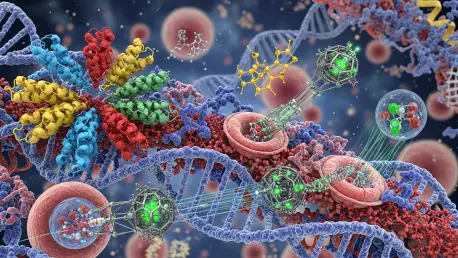
Mastering the technical complexities of RNA modification and delivery remains one of the most significant challenges in modern drug development and remains a high priority for researchers. The scientists within the facility are deeply engaged in investigating how chemical alterations to RNA molecules can modulate the body’s immune response and enhance the stability of the drug once it enters the system. Understanding these intricate biological pathways is essential for ensuring that therapeutic molecules reach their intended cellular targets without being degraded by enzymes or triggering adverse reactions. Through the use of advanced lipid nanoparticle technology and proprietary delivery systems, the hub is paving the way for a new generation of vaccines and gene-modulating therapies. This level of precision is required to treat rare genetic disorders and chronic illnesses that have previously resisted traditional pharmacological approaches. By focusing on the entire life cycle of these molecules, the initiative builds the groundwork for safer, more efficient clinical applications.
Economic Growth: Strengthening the Bioeconomy and Healthcare
The economic implications of establishing a world-class RNA research center extend far beyond the immediate scientific outputs, acting as a powerful magnet for the global bioeconomy. By creating a sophisticated environment for research and development, Singapore successfully positions itself as a premier destination for international biotech and medtech companies looking to expand their presence. This influx of investment not only stimulates local industries but also creates high-value jobs and fosters a vibrant ecosystem of innovation. Concurrent with these economic goals is a steadfast commitment to talent development, ensuring that the next generation of scientists and engineers is equipped with the skills needed to navigate a rapidly changing landscape. Training programs and collaborative projects provide early-career researchers with hands-on experience using the most advanced technologies available today. This focus on human capital ensures that the initiative remains sustainable and competitive in the long term, securing the nation’s status as a leader in biotechnology.
The integration of diverse scientific disciplines under a single strategic umbrella redefined the approach to modern healthcare by prioritizing interdisciplinary synergy over isolated experimentation. Future strategies relied on the establishment of rigorous regulatory standards that evolved alongside these new technologies to ensure patient safety. Clinical teams adopted standardized protocols for the storage and transport of heat-sensitive RNA products, ensuring that these life-saving interventions remained viable in diverse climates. By prioritizing the continuous refinement of synthetic delivery vehicles and expanding the hub-and-spoke model to include international research partners, the initiative effectively bypassed early hurdles related to bioavailability and localized toxicity. This comprehensive approach allowed the global scientific community to realize the full potential of nucleic acid therapeutics, transforming the way chronic diseases were managed on a worldwide scale. The successful implementation of these measures ensured that the hub remained at the forefront of the industry.