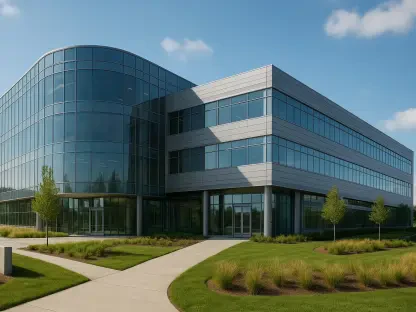

The transition from a two-person surgical team to a multi-provider practice underscores the growing need for specialized skin care in the rapidly expanding northern Houston suburbs. Since its founding in 2006, Specialists in Dermatology has navigated a path of steady growth, rooted in the initial goal of addressing the high prevalence of skin cancer within the local community. Originally operating from a flagship office in The Woodlands, the organization recognized early on that accessibility would be a primary driver of patient outcomes. By 2008, a second location in the Willowbrook area was established to bridge the gap for residents in the neighboring districts. This strategic expansion culminated recently in a high-profile relocation to the St. Luke’s Health – The Vintage Hospital medical campus. This move was not merely a change in scenery but a calculated effort to integrate into a major healthcare ecosystem, ensuring that patients could receive complex dermatological care within a centralized hub of professional excellence.
From Specialized Surgery to Comprehensive Care
The Evolution of Clinical Scope: Beyond Mohs Surgery
At the heart of the clinic’s early success was a singular focus on Mohs micrographic surgery, a precision-based technique that remains the gold standard for treating various forms of skin cancer. Under the guidance of co-owner Dr. Brent Shook, the practice built a reputation for surgical excellence, focusing on the meticulous removal of cancerous cells while preserving as much healthy tissue as possible. Over two decades, however, the facility recognized that the complexities of skin health required a more holistic approach that extended beyond oncology. This realization prompted a transition toward a multi-disciplinary model that now accommodates a vast range of dermatological needs. Today, the clinical environment is structured into three distinct service pillars: medical, surgical, and cosmetic dermatology. This diversification ensures that the practice functions as a versatile medical home for skin health, where a patient might visit for a routine cancer screening and later receive treatment for chronic conditions like acne or elective procedures.
Technological Integration: Modern Medical Advancements
The landscape of dermatology has been fundamentally altered by pharmaceutical and technological breakthroughs that have emerged since the practice’s inception. In the earlier years, management strategies for severe chronic conditions like psoriasis were often limited to topical treatments or basic light therapies that offered inconsistent results. Today, however, the practice leverages a new era of biological therapies that target the underlying immune pathways responsible for these conditions. These advancements have transformed life for many patients, moving treatment goals from mere symptom management to total skin clearance. By staying at the forefront of these clinical developments from 2026 and beyond, the providers ensure that their medical wing remains as innovative as their surgical department. This commitment to staying current involves continuous education and the adoption of diagnostic tools that allow for more accurate monitoring of skin health, ensuring that every treatment plan is grounded in the most recent evidence-based medicine.
Prioritizing Patient Partnerships and Prevention
The Collaborative Model: Patient-First Care
A central tenet of the clinic’s long-term success is its steadfast commitment to a “patient-first” philosophy, which prioritizes the human element of healthcare over clinical metrics. This approach treats each individual as an active partner in their own health journey rather than a passive recipient of a diagnosis. Dr. Brent Shook and his colleagues emphasize that the true measure of their twenty-year milestone lies in the deep-seated trust they have built within the northern Houston community. This trust is fostered through inclusive decision-making, where patients are given the opportunity to explore various treatment paths and choose the one that aligns best with their personal values and lifestyle. By creating an environment of mutual respect, the practice has been able to maintain long-term relationships with multi-generational families, many of whom have been seeking care since the doors first opened. This continuity is a testament to the fact that the need for compassionate and empathetic care remains a constant requirement.
Public Health Advocacy: The Mission of Early Detection
In reflecting on the past two decades, the practice demonstrated that its growth was fueled by a unique combination of surgical expertise and a genuine commitment to community service. The transition to the St. Luke’s Health medical campus marked a new chapter where increased accessibility met the rising demands of a growing population. Looking forward, the organization established a blueprint for success that prioritized early detection and patient education as the most effective tools for combating skin cancer. The clinic recommended that all residents schedule annual professional skin checks, especially those with a history of significant sun exposure or a family history of melanoma. This proactive stance suggested that the future of dermatology would rely heavily on the maintenance of strong patient-provider bonds. Ultimately, the evolution of the practice showed that long-term clinical success was built on a foundation of trust and a relentless focus on saving lives through preventative medicine. These lessons provided a clear path for the next generation.