
The journey of a life-saving biologic from the sterilized environment of a high-tech laboratory to the bedside of a patient in a rural community often encounters invisible barriers that are far more formidable than any biological resistance. While the scientific method operates on a plane of universal truths and repeatable experiments, the application of its results is deeply embedded in the social, political, and historical fabric of specific human populations. In many regions, particularly across West Africa, the success of cutting-edge innovation depends less on the molecular structure of a drug and more on the cultural translation of its purpose and delivery. When researchers overlook the lived experiences and geopolitical realities of their target communities, they risk creating advanced therapies that remain scientifically sound but socially inert. True progress necessitates a paradigm shift where the context of the recipient is treated with the same intellectual rigor as the precision of the underlying technology. This requires an understanding that science does not exist in a vacuum; it is a human endeavor that must adapt to the unique infrastructure and social hierarchies of each environment.
The Dynamic Nature of Institutional Trust
Trust is not a static byproduct of institutional longevity or scientific success, but rather a fragile relational bond that requires constant nurturing through transparent and respectful engagement. Even when organizations have maintained a physical presence in a region like The Gambia for several decades, they frequently encounter deep-seated skepticism and localized myths regarding the true nature of their interventions. The historical legacy of clinical research is often shadowed by power imbalances that persist into current projects, making it difficult for the public to separate medical altruism from institutional exploitation. Technical efficacy, while necessary for regulatory approval, rarely translates into community acceptance if the organization is perceived as a closed or elite entity. Consequently, scientific leaders are finding that credibility is earned not through the publication of data, but through the visibility of their commitment to the social welfare of the participants involved in their studies. This process involves a continuous dialogue that addresses historical grievances while demonstrating immediate, tangible benefits to the local population.
Evidence suggests that the burden of establishing legitimacy falls most heavily on frontline health workers who bridge the gap between high-level researchers and the general public. These individuals, often members of the communities they serve, possess the cultural fluency required to navigate complex social hierarchies and personal anxieties that a laboratory-based scientist might never encounter. In many West African contexts, the decision to participate in a clinical trial or accept a new vaccination is rarely an individual choice made in isolation; it is a collective determination influenced by familial bonds and local authorities. This reliance on personal relationships highlights a critical shift in how innovation is disseminated, as the focus moves from the authority of the institution to the reliability of the messenger. Without these vital human links, even the most sophisticated genetic therapies or diagnostic tools would likely face rejection, regardless of their potential to improve public health outcomes. Building these networks is a long-term investment that requires moving beyond project-based interactions toward sustained community partnerships.
Addressing Gender Norms and Linguistic Nuance
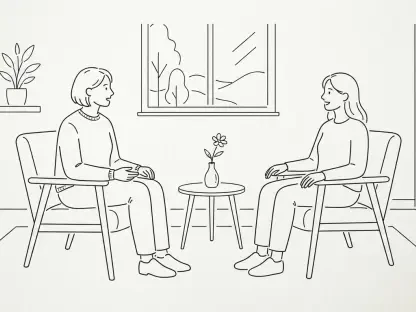
Medical innovation frequently encounters significant resistance when it intersects with sensitive cultural norms, particularly those surrounding reproductive health and traditional gender roles. In regions where patriarchal structures or extended family networks dictate healthcare decisions, a breakthrough like the HPV vaccine is scrutinized through a lens of social consequences rather than just biological prevention. Concerns regarding future fertility, marital prospects, and perceived changes in sexual behavior often outweigh the long-term benefits of preventing cervical cancer in the eyes of local decision-makers. Effective communication in these scenarios requires more than the distribution of translated pamphlets; it demands an active dialogue with husbands, mothers-in-law, and religious leaders who act as the gatekeepers of community health. By addressing these anxieties directly and positioning new therapies within the framework of family preservation, scientists can ensure that life-saving biologics are not seen as threats to the established social order. This approach respects the existing community structure while introducing vital medical advancements.
Beyond social structures, the precision of scientific language often fails to account for the linguistic diversity and conceptual differences found in local dialects like Wolof or Kriolu. This is particularly evident in the field of mental health, where Western psychiatric categories such as generalized anxiety disorder or clinical depression lack direct semantic equivalents in many West African languages. Instead, psychological distress is frequently articulated through physical metaphors or descriptions of social disharmony, which standard diagnostic tools often fail to capture accurately. When healthcare providers impose rigid Western frameworks on these populations, they inadvertently create barriers of stigma and self-alienation that prevent patients from seeking the care they need. To overcome this, innovative clinical practices are increasingly adopting a more descriptive and culturally grounded vocabulary that resonates with the patient’s subjective reality. This linguistic adaptation is essential for ensuring that mental health services are not only accessible but also recognizable and meaningful to the people they are intended to help.
Indigenous Knowledge: A Bridge to Modern Therapy
The most successful examples of scientific translation often involve the integration of modern medical objectives with indigenous knowledge systems and traditional forms of communication. In The Gambia, the utilization of Kanyeleng groups—traditional female communicators known for their use of music, dance, and satirical performance—has proven remarkably effective for disseminating maternal health information. Because these performers are already deeply integrated into the cultural fabric and command a high degree of public trust, they can translate complex scientific concepts into a medium that is both accessible and engaging. This approach acknowledges that the dissemination of information is as much about the medium as it is about the message, leveraging existing cultural infrastructure to boost health literacy. By moving away from the top-down model of information delivery, researchers can foster an environment where community members feel like active participants in the innovation process rather than passive recipients of foreign technology. This synergy creates a more inclusive environment for the adoption of new medical standards.
This collaborative spirit is also embodied in the Cape Verdean concept of “djunta mon,” which emphasizes the power of collective action and mutual support in addressing social and health challenges. In many societies, the Western emphasis on individual autonomy and informed consent contrasts sharply with a worldview where health and illness are seen as communal experiences. Integrating this collective philosophy into scientific research protocols allows for a more authentic engagement with participants, ensuring that interventions are aligned with local values of solidarity and shared responsibility. Furthermore, prioritizing local dialects over colonial languages in official health communications enhances the perceived legitimacy of the intervention and reduces the social distance between the researcher and the community. When innovation is rooted in these “living landscapes,” it gains a level of resilience and sustainability that is impossible to achieve through external imposition alone. This method ensures that the benefits of science are woven into the community’s own narrative of progress and collective well-being.
Economic Realities: The Barrier of Pharmacological Inequality
Despite the rapid pace of biological discovery, the actual impact of scientific innovation is frequently blunted by structural economic barriers that create a stark divide in healthcare access. This “pharmacological inequality” is particularly visible in public health systems where older, first-generation medications with debilitating side effects remain the standard of care due to cost constraints. While newer, safer, and more effective therapies may be available globally, they are often sequestered within expensive private pharmacies that are inaccessible to the vast majority of the population. This economic stratification ensures that scientific progress remains a luxury for the wealthy rather than a universal standard, undermining the ethical foundations of global health initiatives. To truly innovate, the scientific community must look beyond the laboratory and engage with the complex logistics of supply chains, patent laws, and regional manufacturing capabilities. Without addressing these systemic hurdles, the promise of next-generation medicine will remain unfulfilled for those who need it the most.
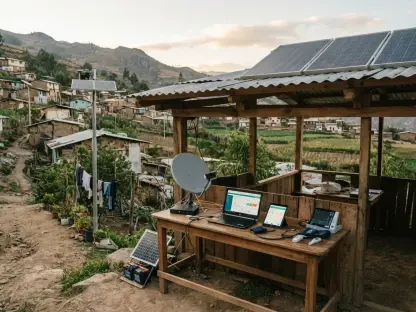
The sustainable future of scientific innovation depends on a commitment to creating equitable distribution models that prioritize the needs of marginalized populations over short-term financial gains. Current trends in 2026 suggest that decentralized manufacturing and the development of regional biotech hubs are essential steps toward reducing the dependency on expensive imports and ensuring a more reliable supply of biologics. This approach requires a sustained investment in local infrastructure and the training of a specialized workforce capable of maintaining the rigorous standards required for advanced therapy production. Moreover, the integration of digital health tools and mobile diagnostic platforms can help bridge the gap between urban centers and rural communities, providing a more comprehensive coverage of care. By viewing economic and logistical challenges as integral parts of the scientific process, researchers can develop more resilient and inclusive healthcare systems. The ultimate goal of cultural translation was realized when these strategies moved from theoretical discussions to practical, life-changing applications for diverse populations.