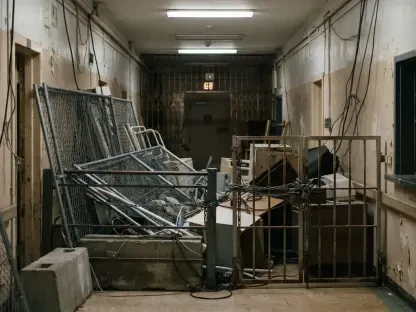

The historical promise of a cradle-to-grave social safety net within the Cuban state has entered a phase of profound systemic collapse that leaves even the most decorated veterans of the revolutionary era in a state of terminal vulnerability. This erosion of institutional support is most visible in the case of José García López, a 78-year-old retired colonel and veteran of the Cuban Revolution, who currently faces a dire medical situation in the Guanabacoa municipality of Havana. Despite his decades of service and his membership in the Association of Combatants of the Cuban Revolution, García López has been effectively abandoned by the healthcare infrastructure he once helped defend. His physical condition deteriorated rapidly after he contracted chikungunya and subsequently suffered a debilitating fall while bedridden, yet the official medical response has been one of calculated indifference. This situation represents a broader humanitarian crisis where the ideological symbols of the past are being discarded as the state struggles to maintain the most basic levels of clinical care for its aging population.
Institutional Paralysis in the Public Health Sector
The disconnect between official government narratives and the lived reality of citizens is particularly striking when examining the availability of medical supplies for high-priority patients like García López. While the Cuban administration continues to promote its international medical missions as a pillar of its foreign policy, the domestic Julio Antonio Mella Polyclinic reportedly informed the veteran’s family that they possessed no resources to assist with his recovery. This claim of absolute scarcity stands in sharp contrast to reports of medical warehouses located within the same geographic region that are allegedly stocked but inaccessible to the general public. This administrative barrier creates a scenario where a former high-ranking officer, who theoretically should have access to specialized military healthcare, is left without bandages, syringes, or even basic painkillers. The failure of the polyclinic to provide intervention demonstrates a breakdown in the chain of command and the logistical capabilities of the local health authorities in Havana.
Furthermore, the absence of professional clinical intervention has forced the family of the retired colonel to seek help outside of the formal state-run channels. In a notable reversal of roles, the survival of this revolutionary figure now depends almost entirely on the humanitarian solidarity of democracy activists and opposition groups. Individuals who were once considered enemies of the state are now the ones providing the medications and moral support that the government refuses to supply. This dynamic highlights the total exhaustion of the public health infrastructure, where even the most loyal supporters of the regime find themselves “condemned to suffering” once their active utility to the state has ended. The case of García López serves as a microcosm for a national trend where the ideological legacy of the 1959 revolution is being systematically undermined by a lack of fundamental resources and a pattern of institutional neglect that targets the elderly.
Systemic Resource Scarcity and Economic Hardship
The depth of this crisis is corroborated by official data which indicates that the Cuban Minister of Public Health has acknowledged a staggering shortage of essential medicines across the island. Statistics from late 2025 and early 2026 suggest that approximately 461 out of the 651 critical drugs on the national basic formulary are currently unavailable through state pharmacies. This means that nearly 70% of the medication required for chronic and acute conditions is absent from the legal market, forcing the population to rely on an expensive and unregulated informal market. For veterans like García López, whose health issues are compounded by age-related frailties and recent infections, this scarcity is a death sentence. The inability to procure antibiotics or anti-inflammatory drugs through the state-run system effectively leaves the most vulnerable segments of society to manage complex medical emergencies without any professional guidance or pharmaceutical support.
In addition to the pharmaceutical shortage, the economic impoverishment of veterans further exacerbates their inability to access healthcare. Many retired soldiers, particularly those who participated in the Angolan conflict, receive monthly pensions that range from 1,500 to 2,000 pesos. When converted at the current rates found on the informal currency market, this amount represents less than four dollars per month, a figure that is insufficient to cover even a few days of basic nutrition, let alone the high costs of private medical supplies. This financial strangulation ensures that even if medications were available on the street, those who served the country would remain unable to purchase them. The systemic failure is not limited to isolated medical cases but is part of a broader pattern of indifference toward the military’s retired ranks. Similar reports have surfaced involving the neglect of Rebel Army founders and the mishandling of veterans’ remains, suggesting that the state’s social contract with its soldiers has been effectively terminated.
Future Strategies for Humanitarian Intervention and Reform
The resolution of this burgeoning humanitarian emergency required a fundamental shift in how medical resources were distributed and how veteran care was prioritized within the Cuban budget. To address the immediate suffering of individuals like García López, it was essential for the international community to facilitate direct medical aid that bypassed bureaucratic hurdles and reached local clinics directly. Moving forward, the development of independent humanitarian corridors became a necessity to ensure that life-saving supplies were not withheld based on political affiliation or past military status. This approach allowed for the stabilization of the most critical cases while long-term structural reforms were debated. The focus shifted toward empowering local communities and activist networks to act as decentralized health coordinators, bridging the gap left by the centralized state’s inability to manage its inventories or provide for its aging citizens.
Looking back, the crisis served as a catalyst for a broader discussion on the sustainability of the Cuban social model in an era of chronic economic stagnation. Policymakers and international observers realized that the preservation of human dignity required more than just historical rhetoric; it demanded a transparent and functional healthcare system. The actionable steps taken involved the integration of private pharmaceutical imports and the formalization of community-led nursing programs to support homebound seniors. By decentralizing medical oversight, the system began to account for the unique needs of the elderly population more effectively. This transition emphasized that the true measure of a nation’s legacy was not found in the battles of the past, but in the quality of care provided to those who had outlived their service. These insights provided a framework for restructuring the social safety net to ensure that no veteran would again face the prospect of abandonment in their final years of life.