
In the evolving landscape of Southern Oregon, the traditional medical hierarchy is undergoing a radical transformation as Valley Immediate Care establishes itself as a strategic bridge between routine primary care and the intensive environment of the emergency department. This shift is not merely a matter of convenience but a fundamental restructuring of how a community accesses essential health services during critical moments. By positioning these facilities as the central entry point for patients who require immediate attention but do not necessitate high-intensity hospital intervention, the region is effectively addressing the long-standing bottlenecks found in traditional healthcare systems. These clinics, often founded and led by seasoned emergency physicians, bring a level of clinical rigor that was previously reserved for hospital hallways into a more accessible and streamlined setting. Consequently, the local population now experiences a more logical progression of care that prioritizes speed and accuracy without sacrificing medical depth.
Optimizing the Patient Experience
Modernizing Access: Navigational Efficiency
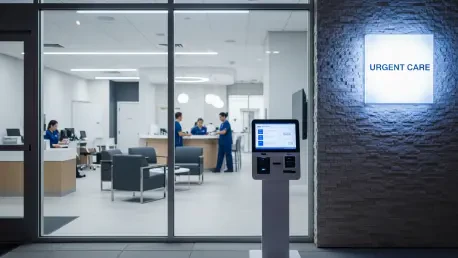
Acting as a sophisticated triage filter for the Rogue Valley, these urgent care centers manage a wide array of non-life-threatening illnesses and minor injuries that would otherwise congest emergency rooms. This specialized role is vital because it clarifies the medical journey for the average resident, ensuring that individuals receive an appropriate level of care while maintaining clear, direct pathways to specialists for more complex cases. By standardizing the patient experience, the facility helps to demystify available clinical services that many individuals might not realize are standard in a modern urgent care setting, such as on-site digital X-rays and immediate laboratory testing. This transparency reduces the anxiety often associated with medical visits, as patients understand exactly what capabilities are available to them upon arrival. This structured approach not only optimizes clinical outcomes but also preserves hospital resources for the most critical life-and-death situations requiring surgical intervention.
Seamless Integration: The Digital Frontier
There is a notable generational shift occurring in how medical services are consumed, with younger demographics increasingly prioritizing speed and digital convenience over traditional, long-term relationships with a single family physician. To meet these evolving expectations, modern clinics are focusing heavily on removing administrative friction through the implementation of integrated digital solutions such as real-time online appointment scheduling and mobile insurance verification systems. These technological tools allow the healthcare experience to feel as seamless and efficient as any other service industry in the modern era, catering to a population that views medical access through a more transactional and efficiency-oriented lens. By allowing patients to upload documentation and verify coverage before they even step through the front door, the facility minimizes wait times and eliminates the cumbersome paperwork that has historically plagued the sector. This digital-first mindset ensures that the clinic remains relevant to a tech-savvy public.
Expanding Clinical and Financial Boundaries
Advanced Specialization: A Comprehensive Medical Hub
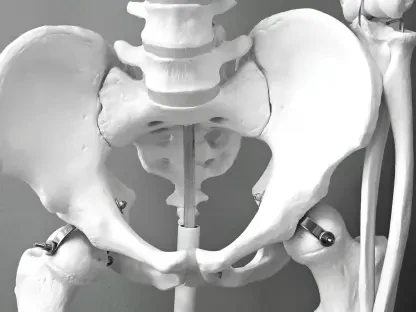
Beyond the treatment of basic seasonal ailments or minor lacerations, these facilities have successfully expanded into comprehensive hubs for integrated medical specialties, including advanced orthopedics, dermatology, and sports medicine. This strategic diversification allows the clinic to function as a one-stop destination where patients can access sophisticated diagnostics and specialized expertise without navigating the complex web of external referrals usually required by large hospital networks. By housing these varied services under a single roof, the center moves well beyond the traditional convenience clinic model, emerging instead as a sophisticated intermediary within the regional healthcare hierarchy. This integration is particularly beneficial for athletes and industrial workers who require rapid assessment and rehabilitation services that are specifically tailored to their unique physical demands. The presence of specialists on-site ensures that the transition from initial diagnosis to long-term recovery is handled with a high degree of clinical continuity.
Financial Stewardship: Transparent and Accessible Models
Recognizing that financial barriers are often as significant as physical distance, the organization has adopted a proactive role as a steward of the patient’s financial well-being, especially for those navigating high-deductible insurance plans. The clinic employs transparent pricing structures and immediate benefit eligibility checks to eliminate the pervasive stress caused by unexpected medical billing and hidden fees. Innovative payment options, such as monthly membership models and significant discounts for full payment at the time of service, ensure that high-quality healthcare remains accessible and predictable for both individuals and families alike. This commitment to financial clarity allows patients to make informed decisions about their care without the fear of future debt, fostering a sense of trust between the provider and the community. By treating the patient as a consumer who deserves clear value and upfront costs, the facility is setting a new standard for fiscal responsibility within the medical industry.
Practical Implementations: Future Steps
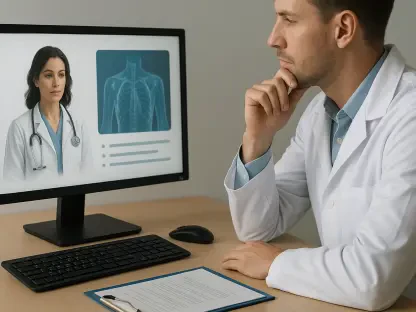
The evolution of urgent care into a primary health gateway represented a significant departure from the fragmented systems of the past and offered a clear blueprint for regional medical expansion. Stakeholders prioritized the integration of advanced telehealth platforms and remote monitoring technologies to ensure that the front door remained open long after a patient left the physical clinic. Medical directors recognized that maintaining this high standard required constant investment in staff training and the adoption of artificial intelligence for more accurate patient triaging. For other regions looking to replicate this success, the focus shifted toward fostering deeper partnerships with local employers to provide direct-to-consumer health solutions that bypassed traditional insurance hurdles. The transition proved that decentralized care models could successfully reduce the burden on major hospitals while improving patient satisfaction scores across the board. Moving forward, the focus centered on expanding these hybrid models to include more preventative care measures.