
Chronic non-healing wounds affect millions of Americans, often leading to severe complications such as limb loss or systemic infection when left untreated by specialized medical interventions. Sierra Nevada Memorial Hospital has addressed this growing healthcare challenge by establishing a sophisticated center dedicated to advanced wound management. This facility integrates cutting-edge technology with evidence-based clinical protocols to treat conditions such as diabetic foot ulcers, venous stasis ulcers, and pressure injuries that have failed to respond to traditional primary care treatments. By providing a localized hub for these complex services, the hospital reduces the need for patients to travel long distances for specialized care, which is particularly vital for those with mobility issues. The program emphasizes a holistic view of patient health, recognizing that wound healing is often hindered by underlying systemic issues like poor circulation or malnutrition. This specialized approach ensures that every individual receives a tailored plan designed to stimulate the body’s natural regenerative processes while mitigating the risk of long-term disability.
Innovative Technologies in Modern Regenerative Medicine
The implementation of Hyperbaric Oxygen Therapy stands as a cornerstone of the advanced treatment options now available to patients struggling with stagnant healing processes. This specific modality involves the patient breathing one hundred percent oxygen while inside a pressurized chamber, which significantly increases the amount of oxygen dissolved in the blood plasma and delivered to compromised tissues. High concentrations of oxygen are essential for the body’s immune system to fight infection and for the development of new blood vessels, a process known as angiogenesis. At the hospital’s specialized unit, clinicians utilize these chambers to treat radiation-induced tissue damage and certain types of chronic infections that are resistant to standard antibiotic regimens. The controlled environment allows for precise monitoring of the patient’s physiological response, ensuring safety and efficacy throughout the multi-session treatment plan. By hyper-oxygenating the blood, the facility provides a powerful catalyst for cellular repair in environments where local circulation is severely limited.
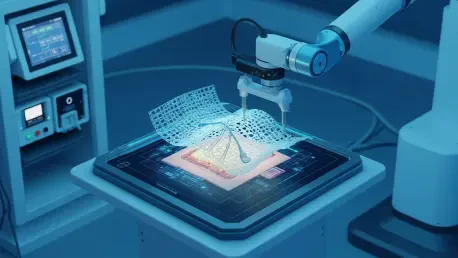
Beyond hyperbaric interventions, the facility employs bioengineered skin substitutes and advanced cellular therapies to close wounds that previously seemed insurmountable. These biological grafts act as a scaffold for new tissue growth, delivering essential cytokines and growth factors directly to the site of the injury to trigger a more robust healing response. This technology is particularly effective for large-scale wounds or those located on areas of the body with high mechanical stress where traditional sutures or bandages might fail. Additionally, the clinic utilizes negative pressure wound therapy, a system that uses a vacuum dressing to promote healing by removing excess fluid and increasing blood flow to the area. Each of these tools is selected based on a rigorous assessment of the wound’s microenvironment and the patient’s unique genetic and lifestyle factors. By staying at the forefront of regenerative medicine, the hospital enables patients to recover from chronic injuries faster than was possible with older, less targeted methodologies.
Multidisciplinary Coordination for Sustainable Patient Recovery
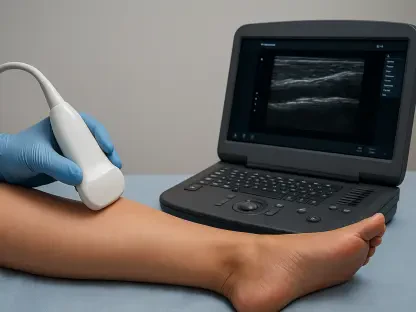
Success in complex wound management requires a coordinated effort from a diverse team of specialists, including vascular surgeons, infectious disease experts, and certified wound care nurses. At Sierra Nevada Memorial Hospital, this multidisciplinary team meets regularly to review patient progress and adjust treatment strategies based on real-time diagnostic data. They utilize advanced imaging and vascular testing to identify blockages or arterial insufficiencies that might be preventing blood from reaching the wound site. Addressing these circulatory issues is often the first step in a larger plan that might also include nutritional counseling or diabetes management to stabilize blood sugar levels. This collaborative framework ensures that the symptoms are not just treated in isolation, but that the root causes of the delayed healing are identified and mitigated. The integration of specialized nursing care further enhances the patient experience by providing education on home care routines and infection prevention, which are critical for maintaining the integrity of the healing tissue.
The establishment of this advanced program demonstrated that a proactive, technology-driven approach was essential for improving long-term outcomes in the local patient population. Medical professionals determined that early intervention remained the most effective way to prevent the progression of minor skin breaks into life-threatening conditions. Patients were encouraged to seek consultations at the first sign of redness or persistent pain, rather than waiting for visible deterioration to occur. The clinical team focused on implementing standardized protocols that prioritized the stabilization of the wound bed before introducing expensive biological grafts. This strategic sequence proved to be cost-effective and clinically superior, leading to a marked decrease in amputation rates across the region. Future initiatives were designed to integrate mobile health monitoring tools to track wound progression between in-person visits, ensuring that any signs of regression were caught immediately. By focusing on these preventative and integrative measures, the hospital established a new standard of care.