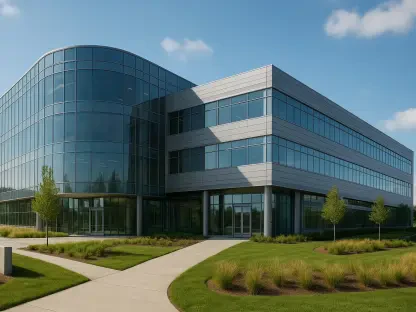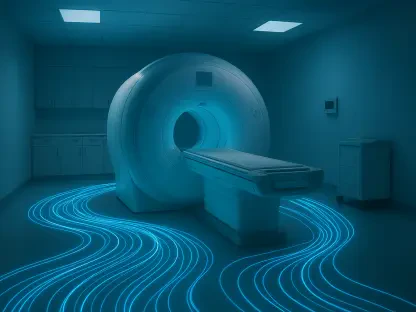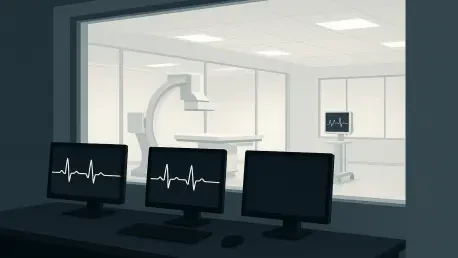

CEO Richard Davis emphasized that the addition of the Electrophysiology Lab is a necessary response to the evolving healthcare needs of the local community. This investment at Unity Hospital reflects a broader commitment to specialized cardiovascular medicine in a region where heart rhythm disorders have become increasingly prevalent among the aging population. By establishing a dedicated space for electrophysiology (EP), the health system addressed the growing demand for complex procedures that previously required patients to travel to larger metropolitan hubs. The $2 million facility integrates state-of-the-art imaging and diagnostic tools designed specifically to map the electrical pathways of the human heart with unprecedented accuracy. Healthcare professionals at the site noted that treating atrial fibrillation and other arrhythmias requires a controlled environment where high-definition visualization is paramount. This expansion serves as a cornerstone for the hospital’s efforts to modernize its surgical suites while ensuring that high-acuity care remains accessible within the suburban landscape. The facility provides a streamlined pathway for patients transitioning from emergency care to specialized intervention, ensuring that the critical time between diagnosis and treatment is significantly reduced.
Advanced Technology: Precision in Cardiac Intervention
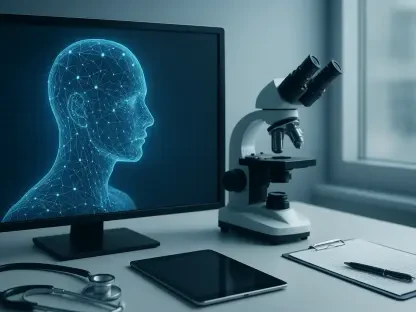
Building on this foundation of accessibility, the technical capabilities of the new laboratory represent a substantial leap forward in minimally invasive surgery. The suite is equipped with advanced 3D heart-mapping software. This allows electrophysiologists to create real-time, high-resolution models of a patient’s cardiac anatomy. This specific technology enables physicians to pinpoint the exact origin of irregular electrical signals, which is essential for successful ablation procedures. By utilizing both cryoablation, which uses extreme cold to neutralize problematic tissue, and traditional radiofrequency ablation, the medical team can tailor treatments to specific structural needs. Furthermore, the integration of low-radiation imaging systems ensures that both the clinical staff and the patients are exposed to the minimum necessary dosages. The installation of these systems at Unity Hospital signifies a shift toward data-driven medicine. This precision not only increases the success rate of initial procedures but also reduces the likelihood of follow-up interventions, thereby improving long-term health outcomes and reducing the financial burden on the regional healthcare system.
Future Directions: Strengthening Regional Specialty Care
The successful launch of the lab established a new benchmark for how regional hospitals integrated specialized sub-specialties into their core service lines. Strategic planners at Rochester Regional Health recognized that the centralization of advanced cardiac care was no longer sufficient. Consequently, the administration prioritized the recruitment of top-tier electrophysiologists and support staff. This ensured that the human element of care matched the sophisticated hardware. To maximize the utility of the new space, the hospital leadership implemented a comprehensive training program for nursing staff and technicians. This proactive approach allowed the facility to reach full operational capacity shortly after its opening. It effectively cleared the backlog of patients waiting for rhythm correction therapies. Looking ahead, the health system evaluated the potential for further digital integration. These steps included remote monitoring technologies that could sync with the lab’s data infrastructure to provide continuous post-operative oversight. These actions ensured that the investment served as a catalyst for a more resilient care network.