
The state of Ohio has officially expanded its behavioral health infrastructure today with the opening of a sophisticated regional crisis center designed to provide immediate intervention for individuals experiencing acute psychiatric or substance use emergencies. For too long, residents in the surrounding counties found themselves caught in a cycle of emergency department visits and law enforcement encounters that rarely addressed the underlying causes of their distress. This newly commissioned facility offers a dedicated alternative, featuring a “no-wrong-door” policy that ensures any person in need can receive professional assistance without the delays typical of general medical settings. By centralizing expert care within a specialized environment, the center aims to reduce the strain on local jails and hospital staff while offering a more humane and effective path toward stabilization. State officials emphasized that this project is part of a broader initiative to modernize the public health framework for all citizens.
Clinical Care
Rapid Triage
The triage process at the new facility is engineered to be as efficient as possible, utilizing a streamlined intake system that bypasses the traditional bureaucratic hurdles of hospital admissions. Upon arrival, individuals are immediately assessed by a team of psychiatric nurses and clinicians who determine the severity of the crisis and initiate a stabilization plan within minutes. This rapid response is critical for preventing the escalation of symptoms and ensuring that the patient feels supported from the moment they walk through the doors.
Furthermore, the center is equipped with a short-term observation unit where patients can remain for up to twenty-three hours under continuous medical supervision. This window of time allows clinical teams to adjust medications or provide intensive therapy, often resolving the immediate crisis without the need for a long-term inpatient stay. By focusing on these early interventions, the center provides a vital safety net for the region. Specialized staff remain on-site around the clock to manage any incoming emergencies efficiently.
Safe Design
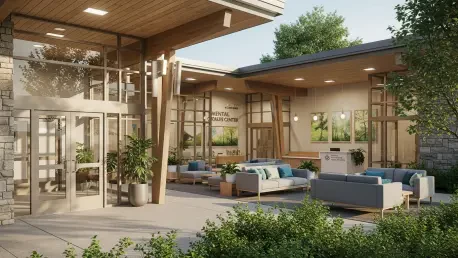
Architects and behavioral health experts collaborated to ensure that the physical layout of the building promotes healing and reduces environmental stressors commonly found in medical institutions. Large windows invite natural light into the common areas, while sound-dampening materials are used throughout the hallways to maintain a quiet atmosphere. These design choices are based on evidence-based research suggesting that a soothing environment can significantly decrease agitation in patients.
In addition to the aesthetic elements, the facility incorporates advanced safety features that are discreetly integrated into the fixtures to maintain a residential feel. Private consultation rooms offer a secure space for family meetings and therapy sessions, fostering a sense of privacy and dignity. This modern approach to design demonstrates a commitment to treating mental health with the same level of care as physical health, creating a sanctuary for those in need of urgent psychiatric help. This environment supports the clinical goals of long-term recovery and immediate stabilization.
Community Impact
First Response
One of the most significant advantages of the new regional center is its ability to serve as a primary drop-off point for local police and sheriff departments. Officers often find themselves acting as de facto social workers when responding to mental health calls, which can lead to unnecessary incarcerations or long wait times at hospitals. The center offers a secure entrance specifically for first responders, allowing them to transfer an individual in crisis to professional care in less than ten minutes.
This partnership ensures that the individual receives medical attention while freeing up law enforcement officers to return to their patrol duties more quickly. By providing a clear alternative to jail, the facility helps to decriminalize mental illness and ensures that public safety resources are utilized more effectively across the community. This collaboration between the state and local providers serves as a model for other regions looking to improve their emergency response protocols. Integrated communication systems allow for seamless data sharing between agencies during every intake.
Future Goals
The establishment of this regional hub marked a turning point in the way local governments approached the long-term management of psychiatric disorders. In the months following the opening, administrators began developing data-sharing protocols with local clinics to ensure that patients leaving the center were seamlessly transitioned into outpatient follow-up care. This continuity of service was essential for preventing relapses and reducing the overall number of emergency interventions required in the county.
Stakeholders also moved to implement educational programs for community leaders to highlight the economic benefits of sustained investment in mental health infrastructure. Looking forward, the focus shifted toward expanding mobile crisis units that could provide on-site stabilization before a visit to the facility became necessary. These strategic steps ensured that the new center remained a cornerstone of a health system that valued recovery and accessibility for every citizen. The community moved toward a future where mental health support was viewed as a fundamental right rather than a luxury.