
Targeted care in specialized units allows patients to return home sooner by providing efficient assessments for conditions requiring less than one day of observation. This major injection of $130 million into the New South Wales health system represents a pivotal turn in addressing the persistent challenge of hospital congestion. As demand for acute services continues to climb, the state government is prioritizing specialized facilities that bridge the gap between a standard emergency visit and a multi-day hospital admission. By streamlining the diagnostic process, clinicians can focus on specific ailments that require monitoring but do not necessitate a formal ward bed. This approach is designed to prevent unnecessary admissions, thereby freeing up capacity for critically ill patients who require long-term care. The funding ensures that major metropolitan and regional hospitals receive the upgrades needed to implement these specialized zones effectively. This investment signifies a robust commitment to modernizing urgent care.
Clinical Efficiency: Enhancing the Emergency Pathway
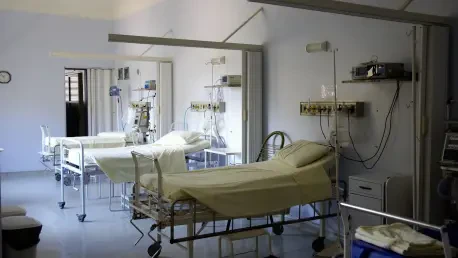
The implementation of these units focuses on specific clinical pathways, such as low-risk chest pain or dehydration, where a defined period of observation is sufficient for a safe discharge. Instead of lingering in a busy emergency department hallway, patients are moved to a dedicated short-stay environment that is quieter and more specialized. This internal movement within the hospital system significantly reduces the “access block” that often leads to ambulance ramping and prolonged wait times for incoming emergencies. Medical teams within these units operate with a high degree of autonomy, utilizing rapid diagnostic protocols that are tailored to the short-term timeframe. Consequently, the turnaround time for tests and results is accelerated, allowing for quicker decision-making regarding the patient’s health status. This proactive management ensures that the emergency department remains a high-functioning portal for critical interventions rather than a holding area for observation.
Beyond immediate clinical benefits, the expansion of short-stay units fosters a more collaborative environment between different medical specialties within the hospital. When emergency physicians can hand over patients to a dedicated short-stay team, it allows for a more concentrated focus on stabilization and initial triage in the main emergency zone. This division of labor is essential for maintaining high standards of care during peak demand periods. Furthermore, the specialized nature of these units allows for the implementation of multidisciplinary teams, including physiotherapists and social workers, who can assist in discharge planning from the moment the patient arrives. By addressing the social and physical needs of the patient alongside their medical concerns, the healthcare system reduces the likelihood of readmission. This holistic approach ensures that once a patient is deemed fit to leave, they have the necessary support structures in place at home to facilitate a full and safe recovery.
Infrastructure and Growth: Scaling Healthcare Capacity
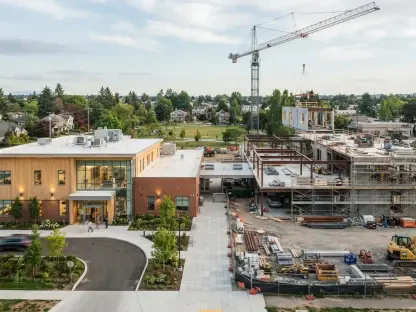
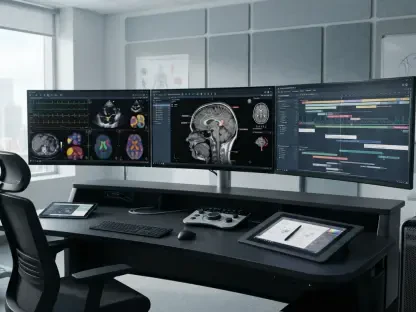
A significant portion of the investment is earmarked for regional areas, ensuring that residents outside the major cities have equitable access to efficient services. Historically, regional hospitals have faced unique challenges, including limited bed availability and long transfer distances for specialized care. By establishing short-stay units in these locations, the state is effectively increasing the local capacity to manage complex cases that previously might have required a transfer to a larger metropolitan facility. The new funding facilitates the construction of purpose-built wards and the renovation of existing spaces to meet modern clinical standards. These upgrades include advanced monitoring equipment and digital integration systems that allow for real-time consultation with specialists in other regions. This technological bridge is vital for providing high-quality care in remote areas, ensuring that the distance from a major city does not dictate the quality of medical attention.
The decision to commit resources to short-stay expansion followed pilot programs that demonstrated a decrease in hospital occupancy rates. These earlier initiatives proved that when patients were directed to the appropriate level of care immediately, the entire hospital ecosystem functioned more smoothly. Moving forward, healthcare administrators prioritized the integration of predictive analytics to better anticipate patient surges and allocate resources within these units accordingly. This data-driven approach allowed hospitals to adjust staffing levels in real-time, ensuring that units remained efficient even during unexpected spikes in demand. It was also determined that expanding tele-health services in conjunction with these units provided a vital safety net for patients post-discharge. Future strategies focused on further refining these digital connections to monitor patients remotely, potentially preventing the need for an emergency visit altogether. This focus established a blueprint for sustainable growth.