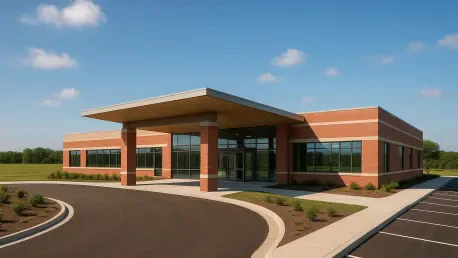

The inclusion of emergency department upgrades alongside the new HealthOne facility solidifies the long-term viability of the town’s historical war memorial hospital site. This development represents a critical pivot point for regional medical services, ensuring that residents no longer have to travel hundreds of miles for basic emergency care or specialized consultations. By integrating modern clinical spaces within a site that has served the public for generations, the project balances tradition with the urgent need for contemporary diagnostic tools. The transition from 2026 to 2028 will see these facilities fully operational, addressing a chronic shortage of rural health infrastructure that has plagued the area for decades. Such a centralized model reduces the fragmentation of services, allowing practitioners to collaborate in ways that were previously impossible due to physical distance and outdated equipment. This synergy is expected to stabilize patient outcomes while preserving the historical significance of the local landmark.
Evolution of the Rural Medical Model
Bridging the Gap: Modern Infrastructure on Historic Grounds
The architecture of the new HealthOne facility emphasizes a seamless transition between urgent care and long-term wellness management. By situating the upgraded emergency department at the heart of the complex, designers ensured that high-acuity patients receive immediate stabilization before moving into the specialized wings of the hub. This structural efficiency is paired with energy-efficient systems that lower overhead costs, a vital factor for rural facilities operating on thin margins. Between 2026 and 2028, the installation of advanced imaging suites will finalize the site’s transformation into a comprehensive diagnostic center. Local clinicians note that the proximity of primary care physicians to emergency specialists fosters a multidisciplinary environment where patient histories are easily accessible and treatment plans are more cohesive. This design philosophy effectively addresses the traditional isolation felt by rural doctors, providing them with the tools and support networks commonly found only in major metropolitan hospitals.
Holistic Care: Consolidating Diverse Medical Needs
Consolidating diverse health services under one roof does more than just simplify logistics; it creates a community health anchor that encourages preventative care. In many remote areas, residents often delay seeking medical attention due to the complexity of navigating multiple clinics scattered across the region. The HealthOne initiative removes these barriers by offering dental, mental health, and pathology services alongside traditional general practice. This holistic approach ensures that a single visit can address multiple health concerns, which is particularly beneficial for elderly patients with mobility challenges. Furthermore, the inclusion of community spaces within the facility allows for public health seminars and chronic disease management workshops. This social aspect of the hub transforms it from a place one visits only during a crisis into a proactive center for local vitality. The integration of social workers and allied health professionals into the core medical team represents a significant shift toward a patient-centered care model.
Technological and Professional Advancement
Digital Solutions: Enhancing Connectivity and Workforce Retention
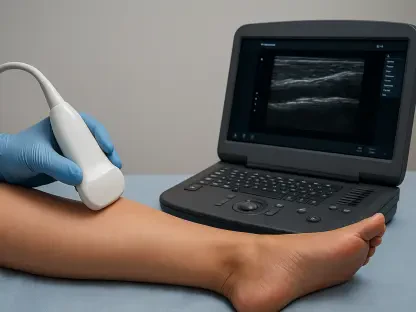
At the core of the 2026 to 2028 rollout is a sophisticated digital backbone that connects the HealthOne hub to tertiary hospitals. This high-speed infrastructure enables real-time tele-health consultations, allowing local patients to speak with world-class specialists without leaving their town. These virtual links include high-resolution diagnostic streaming where a cardiologist can monitor an ultrasound in real time. Such technological parity is essential for reducing the health disparity gap. Beyond technology, the hub serves as a significant recruitment tool for medical professionals. Modern practitioners are drawn to environments that offer state-of-the-art tools and collaborative cultures. By providing an emergency department that mirrors the capabilities of urban trauma centers, the facility attracts young doctors and nurses. The project also includes dedicated educational spaces for medical students, fostering a pipeline of local talent that is more likely to remain in the community after their clinical training.
Implementation Legacy: Actionable Insights for Regional Medicine
The successful implementation of the HealthOne hub established a definitive blueprint for revitalizing rural medical infrastructure. It demonstrated that historical sites could be repurposed to house cutting-edge technology while maintaining their status as community pillars. Moving forward, policymakers focused on replicating this hub-and-spoke model in other underserved regions to ensure equitable access to emergency and preventative services. The transition period from 2026 to 2028 proved that consistent funding and local engagement were the primary drivers of clinical success. Stakeholders prioritized the expansion of local training programs to keep pace with the technological upgrades integrated into the facility. Health administrators also recommended that future projects prioritize digital interoperability from the planning stages to maximize the impact of specialist consultations. By viewing rural healthcare as a networked ecosystem, the project secured a sustainable path for regional medicine.