
Graduate students at the University of Nebraska at Omaha complete their initial one hundred clinical hours in a high-stakes environment where every session is recorded for expert review. This intensive pedagogical model functions as both a rigorous training ground for future therapists and a critical community resource for accessible mental health support. By centralizing the clinical experience within the university’s own facilities, the program ensures a high level of academic oversight that is often absent in external placements. This structure allows students to apply theoretical knowledge in a real-world setting while benefiting from the immediate guidance of seasoned professionals. The clinic serves as a bridge between classroom education and professional practice, fostering a unique environment where the focus remains on evidence-based care and professional development. For the local community, this dual-purpose mission translates into high-quality psychological services that address a wide range of mental health challenges.
Clinical Excellence: The Internal Training Model
Supervision: The Impact of High-Definition Feedback
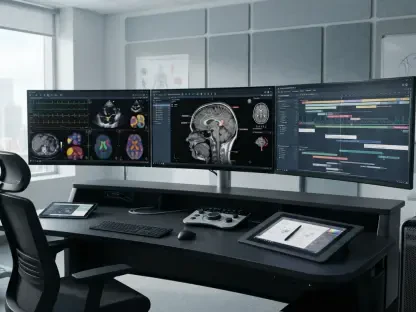
The utilization of recording technology in Roskens Hall provides a granular view of the therapeutic process, allowing for detailed post-session analysis by doctoral-level clinicians. Interns benefit from a structured feedback loop where every gesture, tone shift, and diagnostic intervention is evaluated to ensure the highest standards of care. This high-definition approach to supervision helps students develop a keen sense of self-awareness and professional confidence early in their careers. By reviewing these recordings, supervisors can pinpoint specific areas for improvement, offering tailored advice that accelerates the learning curve. This method not only safeguards the welfare of the clients but also guarantees that students are meeting the rigorous benchmarks required for professional licensure. The collaborative atmosphere created by this intensive oversight encourages students to share insights and learn from one another’s experiences, creating a robust community of practice.
Integration: Streamlining the Practicum Experience
A significant programmatic shift occurred in 2023 when the department decided to move all initial practicum hours to the on-site facility to standardize the training experience. Data indicated that students who began their clinical work in-house were significantly better prepared for the complexities of external internships than those who started elsewhere. This internal consistency allows faculty to monitor the direct application of the curriculum, ensuring that the therapeutic techniques taught in lectures are effectively utilized in practice. Furthermore, the centralized model reduces the variability often found in off-site placements, providing all seventy-five annual interns with a uniform foundation of clinical skills. This strategy has proven essential in maintaining the program’s reputation for excellence while providing a stable environment for students to navigate the stress of their first clinical encounters. The cohort-based system also provides a necessary layer of emotional support for these trainees.
Community Wellness: Accessibility and Public Service
Affordability: Breaking Down Financial Barriers
Since its inception fifty years ago, the clinic has maintained a fixed rate of fifteen dollars per session to ensure that professional mental health care remains accessible to everyone. This commitment to affordability addresses a significant gap in the healthcare system, particularly for underserved populations such as young adults transitioning out of foster care. For these individuals, the nominal fee makes the difference between receiving vital support and going without necessary intervention. The success of this pricing model is evident in the three thousand two hundred and fifty sessions facilitated during the most recent academic year, highlighting a persistent demand for low-cost services. Despite the high volume, the clinic manages a waiting list that reflects the broader community’s urgent need for psychological resources. By prioritizing accessibility over profit, the university has established itself as a cornerstone of regional wellness, ensuring that financial constraints do not prevent a person from seeking help.
Future Vision: Scaling the Gold Standard
The university successfully concluded its anniversary celebration by identifying concrete steps to expand the clinic’s physical capacity and parking facilities to meet rising demand. Leaders explored the potential of securing federal grants to integrate more advanced technology and specialized training modules into the existing curriculum. They recognized the importance of advocating for the internal clinical model as a national standard for mental health education, suggesting that other institutions should adopt similar low-cost outreach strategies. Actionable plans were developed to increase the number of available internships, thereby shortening wait times for community members. The discussion shifted toward creating more robust partnerships with local social service agencies to ensure a seamless referral process for the most vulnerable clients. Participants determined that the sustained success of the fifteen-dollar rate served as a powerful testament to the viability of community-based training.