
The modern senior care landscape has increasingly come to resemble a disorganized frontier where families find themselves navigating a disjointed and often confusing system during their most vulnerable moments. This systemic failure highlights a significant gap in support for the elderly, turning what should be a compassionate, guided process into a series of stressful and purely transactional interactions that leave many feeling abandoned by the public healthcare sector. The crisis is felt most acutely by the so-called sandwich generation, those middle-aged adults who are squeezed between the demands of their professional lives and the sudden, intensive responsibilities of caring for aging parents. Without a clear roadmap or dependable resources, these family members are often forced into the role of full-time healthcare coordinators, a shift that takes a heavy toll on their mental well-being and career stability. This demographic reality is driving a desperate demand for innovation that addresses both logistical and emotional burdens.
Transforming Institutional Support Systems
One of the most significant institutional innovations addressing this crisis is the development of specialized geriatric emergency medicine, as evidenced by the implementation of facilities like the Myrna Daniels Seniors Emergency Medicine Centre. This approach represents a fundamental shift toward creating environments that are specifically engineered to handle the unique physiological and psychological needs of the elderly population. Unlike traditional emergency departments that often prioritize high-speed triage, these specialized centers utilize adaptive lighting, non-slip flooring, and acoustic treatments to reduce the risk of delirium and falls. By integrating these physical modifications with a staff trained specifically in geriatric care, hospitals can offer a more nuanced level of treatment that respects the complexity of aging health. This model moves beyond the standard reactive medical approach, focusing instead on stabilizing the patient while simultaneously considering their long-term functional independence and cognitive safety.
These specialized institutional changes are now serving as a global blueprint for reducing unnecessary hospital admissions and improving long-term health outcomes for seniors. By embedding geriatric research and education directly into the clinical environment, healthcare systems are transitioning from a state of constant emergency response to one of prepared excellence. The success of these centers from 2026 to 2028 will likely influence how general hospitals restructure their triage processes to better accommodate the silver tsunami. This evolution in emergency medicine is a critical step in stabilizing the broader senior care landscape, ensuring that patients do not become lost in a system that was originally designed for younger, less complex cases. Furthermore, by identifying underlying issues during an initial emergency visit, these specialized centers can connect seniors with outpatient resources early, preventing the cascading health failures that often lead to permanent institutionalization in long-term care facilities.
Bridging the Gap: The Rise of Relational Care
Personal experiences with the failings of the current system are fueling a new wave of entrepreneurial innovation, particularly through organizations like Good Comfort. Born out of the personal struggle to manage a parent’s cognitive decline, these initiatives aim to replace the outdated “warm body” model of care—where agencies provide rotating, disconnected staff—with a more human and relational approach. This new model prioritizes continuity of care, ensuring that caregivers and seniors have the opportunity to build meaningful, long-term bonds that are essential for psychological health. When a caregiver is more than just a task-oriented employee, they become an extension of the family, capable of noticing subtle changes in health or behavior that a rotating staff would likely overlook. This relational stability is especially vital for those suffering from dementia or Alzheimer’s, where consistency and familiarity can significantly reduce anxiety and improve the overall quality of daily life.
The primary goal of these private ventures is to act as a centralized hub that manages every aspect of elder care under a single, professional roof. By handling the difficult negotiations with insurance companies, coordinating medical appointments, and managing specialized dietary requirements, these models help restore the sense of dignity that is frequently lost in fragmented, transactional systems. This specialized oversight allows the care process to become more transparent and reliable for everyone involved, reducing the likelihood of medical errors or missed appointments. In this framework, the care coordinator serves as a professional advocate who understands the intricacies of the medical system, allowing the senior to receive high-quality care without the family having to navigate the bureaucratic maze alone. This approach effectively shifts the burden of management away from untrained family members and onto professionals who are equipped to handle the complexities of late-life transitions.
Leveraging Technology: Proactive Planning and Logistics
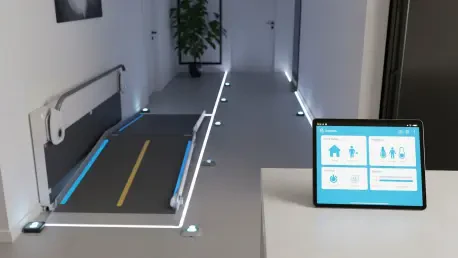
Innovation in the senior care sector also involves a proactive shift toward comprehensive logistics and long-term planning before a crisis occurs. This modern approach includes managing everything from home accessibility retrofitting and specialized physiotherapy to nutritional counseling and insurance advice. By focusing on contingency planning for disease progression, these services ensure that families are prepared for future challenges rather than simply reacting to the next immediate medical emergency. For instance, installing modular ramps or smart home lighting before mobility decreases can prevent the very falls that typically lead to hospitalization. This foresight transforms the home into a supportive environment that adapts to the senior’s changing needs, rather than a place of potential hazard. By treating home maintenance as a component of healthcare, these services allow seniors to age in place with a level of safety that was previously only available in assisted living.
Technology serves as a critical bridge in this new landscape, particularly through the use of interactive portals that provide real-time updates and centralized data for families. Additionally, the adoption of non-invasive remote monitoring systems has revolutionized how caregivers track the safety of their loved ones. These systems often use advanced sensors and artificial intelligence rather than invasive cameras to track movement patterns, sleep quality, and even hydration levels. This allows seniors to maintain their privacy and independence while providing an added layer of protection and professional oversight. If a sensor detects an unusual period of inactivity or a change in a bathroom routine, an alert can be sent to a coordinator who can then check on the individual immediately. These technological advancements ensure that help is always available without the constant presence of a stranger in the home, striking a delicate balance between autonomy and necessary medical supervision.
Reclaiming the Family: Future Pathways and Solutions
Ultimately, these combined efforts in institutional reform and private innovation aim to return the “care” to caregiving by lifting the administrative and logistical burdens from the family unit. By streamlining the complexities of a broken system, these modern solutions allow adult children to step back from being logistics managers and healthcare coordinators, roles for which they are often unprepared. This shift is essential for maintaining human dignity and ensuring that families can focus on their primary roles as supportive sons and daughters. When the heavy lifting of scheduling, medication management, and facility negotiation is handled by professionals, the time spent with aging parents can be dedicated to emotional connection and legacy building. This restoration of the family dynamic is perhaps the most profound benefit of the current innovation wave, as it addresses the emotional burnout that has plagued the sandwich generation for years.
The advancement of the senior care sector required a fundamental pivot toward an ecosystem where technology and human empathy operated in tandem rather than in isolation. Stakeholders eventually recognized that the most effective solutions were those that prioritized the mental health of caregivers as much as the physical health of the patients. This realization prompted the widespread adoption of comprehensive service hubs that automated the most tedious aspects of medical coordination and home management. Furthermore, the integration of specialized geriatric training into the broader medical curriculum proved essential for reducing the revolving-door effect of hospital readmissions. Successful models demonstrated that early intervention and home modifications were far more cost-effective than emergency reactive care. By the time these innovations reached the mainstream, the narrative of aging shifted from one of decline and crisis to one of supported transition and maintained dignity. These steps provided a framework for a more resilient system that protected the most vulnerable members of the population.