
The current landscape of modern optometry is undergoing a seismic shift as high-volume corporate models threaten to replace the traditional, personalized relationship between a physician and their patient. Dr. Bradley Swaim, O.D., has emerged as a significant counter-force to this trend, advocating for a clinical methodology that prioritizes precision and individual history over the rapid turnover often seen in contemporary medical franchises. By integrating sophisticated ocular science with a commitment to human connection, he has established a practice where the primary goal is not just the correction of vision, but the comprehensive oversight of a patient’s long-term health. This approach acknowledges that the eyes are not isolated organs but complex indicators of systemic wellness, requiring a practitioner who is willing to look beyond the surface of a standard prescription. In an environment where technology often distances the provider from the individual, Dr. Swaim utilizes his expertise to bridge that gap, ensuring that every diagnostic decision is informed by both clinical data and a genuine understanding of the patient’s unique lifestyle.
The foundations of this patient-centric ethos were established early in Dr. Swaim’s life, as he observed the professional journey of his father, a dedicated optometrist who viewed medicine as a calling rather than a business. These formative experiences taught him that the most effective clinical outcomes are born from a synthesis of technical mastery and high-level communication. He realized that when a patient enters an exam room, they are often seeking more than just clarity of sight; they are searching for a healthcare partner who listens with intent and speaks with transparency. This early exposure to the nuances of private practice provided him with a clear sense of purpose as he pursued his education at the Southern College of Optometry. Throughout his academic tenure, he focused on the profound impact that a meticulous provider can have on a community, specifically regarding how trust can significantly improve patient compliance and health outcomes. By the time he began his formal career, he had already internalized the belief that a doctor’s greatest tool is the ability to connect with the person behind the symptoms.
Clinical Expertise and Versatile Diagnostics
During his comprehensive training at the Southern College of Optometry, Dr. Swaim deliberately sought out a wide range of sub-specialties to ensure he could meet the needs of a diverse and aging population. His curriculum and subsequent clinical rotations provided deep immersion into ocular disease management, specialized contact lens fittings for irregular corneas, and the latest therapies for chronic dry eye syndrome. By mastering these varied disciplines, he developed a versatile diagnostic perspective that allows him to manage both routine vision needs and complex pathological conditions with equal proficiency. This broad academic foundation was not merely about acquiring knowledge but about understanding the interconnected nature of vision and systemic health. Whether treating a pediatric patient for binocular vision issues or managing a senior citizen’s early-stage macular degeneration, he applies a level of rigor that ensures no detail is overlooked. This dedication to versatility ensures that his practice serves as a comprehensive hub for ocular health, capable of navigating the complexities of modern medical eye care.
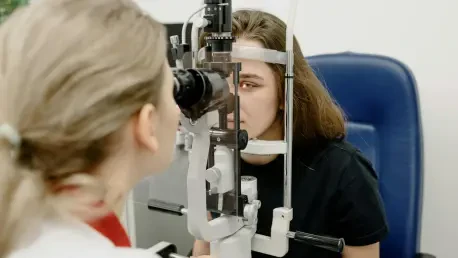
The refinement of Dr. Swaim’s diagnostic skills was significantly accelerated through his clinical rotations within the Veterans Affairs system, an environment known for its complex and often multi-systemic patient cases. Working with veterans provided him with early exposure to the management of ocular manifestations of systemic diseases, such as the complications arising from diabetes, hypertension, and various neurological disorders. These high-stakes environments required a high degree of interdisciplinary collaboration and a sharp eye for subtle clinical markers that could indicate broader health crises. This experience taught him that a thorough eye examination can often serve as a vital early-warning system for the rest of the body. By the time he transitioned into his own practice, he had developed a methodology that seamlessly integrated cutting-edge diagnostic technology, such as optical coherence tomography and advanced visual field testing, with a nuanced understanding of chronic disease management. He recognizes that while technology provides essential data, the clinician’s role is to interpret that data within the specific context of the patient’s life and overall medical history.
Patient Narratives as Diagnostic Tools
The defining characteristic of Dr. Swaim’s clinical methodology is his insistence that the patient’s voice is just as critical to a successful diagnosis as the most advanced imaging equipment. In an era often defined by “fast medicine,” where practitioners are pressured to move from one exam room to the next in minutes, he chooses to invest significant time in active listening and open dialogue. He treats the patient’s narrative—their descriptions of visual disturbances, their daily environmental stressors, and even their minor discomforts—as a roadmap for his clinical investigation. This thoroughness allows him to uncover issues that might be missed during a standardized, metric-driven examination. By translating complex medical terminology into plain, accessible language, he ensures that patients are not just passive recipients of care but active participants in their treatment plans. This transparency removes the intimidation often associated with clinical settings and fosters a deep, long-term bond of trust between the doctor and the patient. This commitment to listening ensures that every diagnosis is personalized, reflecting the actual lived experience of the individual.
This philosophy of clinical curiosity was crystallized through a pivotal encounter early in Dr. Swaim’s career, involving a patient who had been dismissed by several other providers despite persistent visual complaints. While previous exams had yielded normal results, Dr. Swaim refused to ignore the patient’s intuition that something was fundamentally wrong with their peripheral vision. By conducting a more focused and extensive visual field analysis, he identified subtle abnormalities that ultimately led to the life-saving discovery of an underlying brain tumor. This case serves as a permanent reminder within his practice that standard protocols are only the starting point of care, not the conclusion. It reinforced his belief that a provider must respect the patient’s awareness of their own body and remain willing to investigate further when symptoms do not immediately align with common data points. This event became the benchmark for what he calls the “Swaim standard,” a commitment to investigative rigor that prioritizes the patient’s well-being over the ease of a quick diagnosis. It highlights the reality that in optometry, a willingness to look closer can quite literally be the difference between life and death.
Social Responsibility and Professional Growth
Dr. Swaim’s commitment to eye health extends far beyond the four walls of his clinic, manifesting in a strong sense of social responsibility and community involvement. He views preventative vision care as a fundamental public health necessity, particularly for populations that may lack consistent access to specialized medical services. By participating in local vision screenings and educational outreach programs, he works to identify issues such as childhood amblyopia or early-stage glaucoma before they lead to permanent, irreversible vision loss. He understands that vision is a primary driver of economic independence and educational success, making early intervention a vital service for the community at large. His volunteer work is not limited to medical efforts; he also engages with organizations like Cause for Paws, reflecting a consistent character of empathy and a desire to improve the lives of both people and animals. This holistic view of service suggests that a successful professional life is inextricably linked to the health and vitality of the community in which one lives and works.
Maintaining a high standard of care requires more than just technical skill; it demands a sustainable approach to professional life and a commitment to lifelong learning. Dr. Swaim recognizes that to remain at the forefront of optometric innovation, a practitioner must actively seek out new research, attend specialized seminars, and engage with the broader scientific community. This dedication to continuous growth ensures that his patients benefit from the most current treatments and diagnostic strategies available in the field. Furthermore, he emphasizes the importance of personal resilience and balance, finding that his interests in outdoor sports and family time provide the mental clarity necessary to handle complex clinical cases. By rejecting the high-volume, burnout-inducing models of many corporate practices, he preserves the energy and focus required to give each patient his undivided attention. Success, in his view, is not measured by the quantity of appointments booked but by the stability of his patients’ ocular health and the integrity of the relationships he builds. This focus on long-term impact over short-term metrics serves as a sustainable model for the future of independent optometry.
Future Considerations and Integrated Wellness
Looking ahead, the evolution of eye care will likely demand an even greater integration of specialized ocular services and general systemic health monitoring. Practitioners who follow the model established by Dr. Swaim will be better positioned to navigate the challenges of an aging population and the increasing prevalence of chronic conditions that affect vision. To improve long-term outcomes, patients should look for providers who prioritize comprehensive consultations and who are willing to collaborate with primary care physicians and other specialists. It is no longer enough to simply prescribe corrective lenses; the modern optometrist must serve as a guardian of the patient’s neurological and vascular health as well. For those entering the field, the primary takeaway from Dr. Swaim’s career is that empathy is a clinical skill that can be sharpened and refined just like any surgical technique. The future of the profession lies in this synthesis of high-tech capability and high-touch care, where the practitioner remains a trusted advisor in an increasingly automated world.
The transition toward more personalized medical models suggests that the role of the independent optometrist will become increasingly vital as patients seek alternatives to impersonal, algorithmic healthcare. Implementing a patient-first strategy requires a deliberate shift in practice management, moving away from volume-based incentives and toward a system that rewards diagnostic accuracy and patient education. By focusing on the fundamentals of communication and investigative curiosity, clinicians can ensure that they are providing the highest possible standard of care while maintaining their own professional satisfaction. For the patient, the next step is to advocate for this level of care by seeking out practitioners who demonstrate a clear commitment to their individual history and long-term wellness. Ultimately, the success of the medical community depends on its ability to remember that every diagnostic code represents a person with a life, a family, and a future. Maintaining this human-centered perspective will be the most important challenge and opportunity for the next generation of healthcare providers as they continue to refine the art and science of healing.