
In a landscape where clinical precision often dominates the healthcare sector, the transition toward prioritizing genuine human connection represents a profound shift in how society values its aging population. For many years, the industry focused almost exclusively on the physical metrics of health, such as medication schedules and mobility charts, while often neglecting the spiritual and emotional needs that define a person’s quality of life. At Carinity, this paradigm has been fundamentally challenged by a philosophy that places the individual at the center of every decision, ensuring that professional support never diminishes a person’s inherent sense of self. This approach recognizes that wellness is not merely the absence of disease but the presence of meaning, belonging, and trusted relationships. By fostering an environment where elders are empowered to lead lives of purpose, the organization has redefined what it means to grow older with dignity, moving away from a model of passive care toward one of active engagement and genuine mutual respect.
The Core Philosophy: From Clinical Tasks to Meaningful Relationships
The operational model at these facilities is built upon the foundational belief that knowing the intricate life history of a senior is just as vital as understanding their medical diagnosis. Instead of treating residents as numbers on a clinical checklist, staff members are encouraged to dive deep into the personal stories, hobbies, and preferences that make each individual unique. This person-centered strategy ensures that daily interactions are not just about completing chores like laundry or meal preparation, but are instead viewed as valuable opportunities for meaningful conversation and connection. By integrating these personal insights into the care plan, the staff can tailor the environment to reflect the resident’s past experiences, which provides a sense of continuity and comfort. This transformation of routine tasks into moments of shared humanity serves to anchor the resident in their own identity, preventing the loss of self that often occurs in traditional institutional settings.
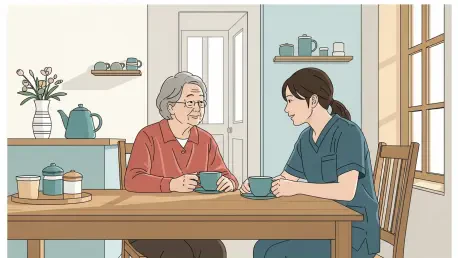
In residential settings such as Fairfield Grange, the bond between caregivers and residents frequently evolves from a formal professional service into a deep and lasting friendship. Personal Care Workers are trained to provide essential physical assistance, but their most significant contributions often lie in the subtle ways they combat social isolation. For those living with cognitive challenges like dementia, the consistent and familiar presence of a dedicated caregiver can lead to profound breakthrough moments of joy and cognitive recognition. These interactions create a reciprocal environment where both the resident and the staff member find fulfillment and learn from one another’s perspectives. This bond is especially critical for those who may feel disconnected from their families or the faster pace of the modern world. By prioritizing these relationships, the facility becomes a true home rather than just a residence, fostering a community where every person feels seen and heard.
Empowering Independence: Personalizing Home Care and Community Access
For seniors who prefer to remain in their own residences, the in-home care model offers a vital lifeline that prioritizes the therapeutic value of a familiar environment. This approach allows individuals to maintain their established lifestyles and domestic routines while receiving the necessary support to ensure safety and hygiene. Because the needs of a senior can change rapidly, the caregivers must remain highly observant, continuously monitoring for subtle shifts in physical or cognitive health. This dynamic level of support is tailored specifically to the fluctuating abilities of the client, ensuring that help is provided exactly when and where it is needed without infringing on the person’s independence. By meeting clients in their own living rooms or kitchens, caregivers build a level of trust that is difficult to replicate in other settings. This presence provides a safety net that encourages seniors to continue participating in their own lives, maintaining a sense of agency and sovereignty.
Beyond the walls of the home, caregivers serve as essential bridges to the wider world, helping to reverse the trend of social withdrawal that often accompanies the aging process. By accompanying seniors on outings to local shops, nurseries, or community centers, staff members help them rediscover their passions and reconnect with their social identities. These simple but effective excursions are designed to unlock a client’s confidence, reminding them that they remain valued members of the broader community. The goal is to move beyond the role of a care recipient and back into the role of a neighbor, friend, or hobbyist. Whether it is a trip to a favorite bookstore or a walk through a local park, these activities provide sensory stimulation and social engagement that are crucial for mental health. This reintegration effort ensures that seniors do not become invisible as they age, but rather continue to share their presence and wisdom with the world around them in a meaningful way.
Professional Growth: Cultivating the Heart of Senior Services
The caregivers themselves often view their career choice as more than just a job, describing it as a lifelong mission fueled by the rich wisdom and stories of the elders they support. This deep professional dedication is sustained by a strong internal culture of mutual respect and emotional support, where team members encourage one another to maintain the resilience required for high-quality care. By treating every interaction as a chance for genuine connection, the staff ensures that the heart of caring remains at the forefront of their daily activities. This culture of empathy is not just beneficial for the residents; it also provides the caregivers with a profound sense of purpose and fulfillment. They draw inspiration from the residents’ life experiences, creating a workplace environment where learning is a continuous and two-way process. This emphasis on the human spirit allows the organization to attract and retain dedicated individuals who are committed to upholding the highest standards.
Stakeholders in the senior care industry recognized that the future of the sector depended on the successful integration of clinical expertise with deep emotional intelligence. It was established that moving forward, organizations must prioritize the hiring and training of staff who demonstrate natural empathy alongside technical skills. This transition required a proactive approach to community building, where local businesses and social groups were invited to participate in the lives of the elders. Leaders determined that the most effective solutions involved decentralizing care, allowing for more personalized and mobile support systems that adapt to the user’s specific environment. By reviewing these successful outcomes, the industry clarified that actionable next steps included the implementation of robust mental health protocols for both residents and staff. This strategy ensured that the lessons learned from Carinity’s model were preserved to guide the next generation of caregivers.