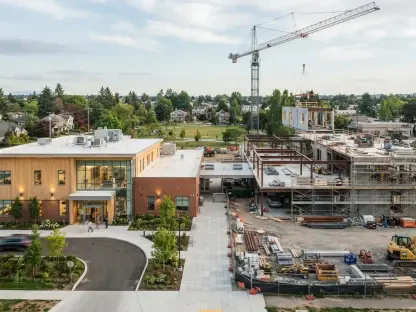

When an unexpected medical incident occurs in the middle of the night, the immediate pressure on families and the local healthcare infrastructure often reaches a critical breaking point that demands a more localized and specialized intervention than traditional hospitals provide. The recent inauguration of the first integrated 24-hour Urgent Care Center in Al Ain’s Al Dhahir neighborhood represents a transformative shift in how healthcare is delivered within the region. Operated by Burjeel Holdings, this facility serves as a vital bridge between standard primary care clinics and high-intensity emergency departments, focusing specifically on non-life-threatening conditions. By establishing a presence in this specific geographic corridor, the provider addresses a longstanding need for immediate, high-quality medical attention that does not require the extensive resources of a full-scale trauma center. This strategic expansion reflects a broader movement toward decentralized healthcare, ensuring that residents have access to professional medical services at any hour.
Strategic Planning: Enhancing Community Access and National Talent
The strategic placement of this center in Al Dhahir is designed to provide immediate medical relief to approximately 80,000 residents living in the surrounding districts, including Mazyad and Um Ghafah. For years, families in these outlying areas were often forced to undertake long commutes to reach the city’s central hospitals, a journey that could exacerbate minor injuries or cause significant distress during medical episodes. By placing an urgent care facility directly within the community, Burjeel Holdings effectively removes these logistical barriers, allowing for intervention within minutes of a patient leaving their home. This proximity is not merely a matter of convenience; it is a critical component of a modern public health strategy that prioritizes early intervention to prevent minor health issues from escalating into major emergencies. By managing urgent but stable cases, the facility helps decongest major hospital emergency rooms, allowing those institutions to prioritize critical, life-saving procedures.
The official opening of the facility saw the participation of prominent national leaders, including the Minister of State for Youth Affairs, highlighting a deep-seated commitment to national growth and the improvement of public services. A major focus of this project is the empowerment of young Emirati professionals within the healthcare sector, providing them with a high-tech environment to develop leadership skills and clinical expertise. This alignment between healthcare expansion and workforce development helps build local leadership and strengthens the national identity of the region’s medical services. By creating a knowledge-based environment that offers diverse clinical experiences, the center provides a platform for local talent to take on leadership roles and gain hands-on expertise in urgent care management. This initiative is directly linked to the national agenda of building a sustainable, knowledge-based economy led by a skilled local workforce that remains deeply rooted in the specific needs of the region.
Clinical Excellence: Integrated Diagnostic and Comprehensive Care Network
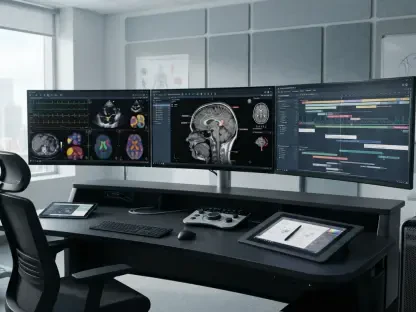
Designed to treat various acute conditions, from respiratory distress and infections to minor trauma such as fractures and burns, the facility is equipped with advanced diagnostic tools that allow for immediate evaluations. The inclusion of high-resolution CT scans, digital X-rays, and on-site laboratory testing ensures that medical teams can formulate a treatment plan without the need for external results. This “one-stop” approach enables patients to receive a full diagnosis and treatment plan in a single visit, enhancing the overall efficiency of care and reducing the time to recovery. The facility operates within a day surgery framework, allowing for minor procedures to be performed efficiently without the need for an overnight stay. Patients benefit from a streamlined process that prioritizes rapid assessment and immediate treatment, ensuring that their medical concerns are addressed with both precision and empathy. This investment in diagnostic excellence reflects a commitment to providing hospital-grade technology in a localized setting.
Beyond its immediate services, the center is deeply integrated into the broader Burjeel Holdings network, providing seamless access to specialists in fields like Orthopedics and Pediatrics. For patients requiring more intensive treatment, the facility maintains clear stabilization protocols and direct transfer routes to Burjeel Royal Hospital, ensuring patient safety at all times. This tiered model ensures that every patient is directed to the most appropriate level of care based on their specific clinical needs, maintaining a unified digital record and communication protocol across all its facilities. This connectivity removes the fragmentation that often plagues modern healthcare, ensuring that the patient’s journey is continuous and well-coordinated. This level of integration provides peace of mind to the community, knowing that their urgent care visit is the first step in a comprehensive healthcare experience. By functioning as a critical node in a larger medical infrastructure, the center provides a safety net for the Al Dhahir community.
Future Considerations: Actionable Steps for Regional Health Development
The implementation of this localized urgent care model established a new benchmark for how healthcare systems should adapt to the shifting demographics of rapidly growing urban centers. Medical planners recognized that the future of community health relied on the decentralization of services, moving away from a hospital-centric approach toward a more agile and distributed network. This transition proved that providing high-level diagnostic tools and specialized staff in neighborhood centers drastically reduced the burden on emergency departments while improving patient outcomes through earlier intervention. Future health strategies should focus on replicating this integrated model in other underserved regions, prioritizing the use of unified digital records to ensure seamless transitions between urgent and specialized care. Stakeholders observed that investing in local medical hubs also served as a catalyst for professional growth among national talent, suggesting that medical infrastructure expansion should always be coupled with robust workforce training initiatives.