
The recently published findings from a high-level investigative audit have shed light on a deteriorating situation within the Welsh emergency care system, describing it as being on the precipice of a total systemic collapse that threatens the lives of thousands of citizens across the region. This detailed report underscores a critical failure in the flow of patients through the health service, where the inability to discharge medically fit individuals into community care has created a catastrophic backlog in acute hospital wards. Consequently, emergency departments are now frequently operating at several hundred percent of their intended capacity, leading to scenes of ambulances lining up outside hospitals for hours on end. These vehicles, which should be responding to urgent life-threatening calls in the community, are instead functioning as makeshift mobile hospital wards, further depleting the resources available for the wider population. The audit suggests that the current trajectory is unsustainable and requires immediate, radical intervention to prevent further harm.
Root Causes: Infrastructure and Staffing Deficits
Hospital Capacity: Analyzing the Social Care Interdependence
The primary driver behind the current crisis is not necessarily a sudden surge in emergency department arrivals, but rather a profound inability to move patients out of hospital beds once their clinical treatment has concluded. Currently, a significant percentage of hospital beds across Wales are occupied by individuals who are medically fit for discharge but remain trapped because appropriate social care packages or residential placements are unavailable. This phenomenon, often referred to as delayed transfers of care, creates a secondary effect where incoming patients from the emergency room have nowhere to go, effectively paralyzing the entire diagnostic and treatment pathway. Hospital managers have reported that until the social care infrastructure is significantly bolstered, the pressure on acute sites will remain at record levels regardless of internal efficiency measures. The audit emphasizes that without a seamless link between health and social services, the emergency care system will continue to fail its primary objective of providing rapid intervention.
Workforce Sustainability: The Impact of Chronic Operational Stress
Staff morale has reached an all-time low as clinicians and paramedics are forced to work in environments that are increasingly described as unsafe and morally distressing. Paramedics, in particular, are bearing the brunt of the system’s failures, often spending their entire twelve-hour shifts caring for a single patient in the back of an ambulance parked outside an emergency department. This misallocation of highly skilled labor not only degrades the skills of the emergency responders but also leads to a sense of professional frustration and eventual burnout. Recruitment and retention have become significant hurdles, as fewer professionals are willing to enter a field where the workload is relentless and the ability to provide high-quality care is hampered by structural deficiencies. The audit warns that if these staffing trends continue from 2026 into the next three years, the Welsh health service may face a critical shortage of experienced personnel that could take a decade to rectify through new training programs.
Proposed Solutions: Moving Beyond Reactive Measures
Digital Transformation: Implementing Real-Time Data Analytics
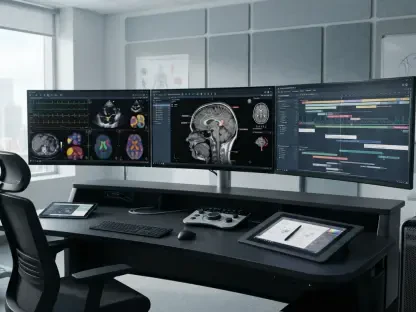
One of the most promising avenues for relief involves the rapid adoption of sophisticated digital health platforms designed to manage patient flow with precision and foresight. By utilizing artificial intelligence and predictive modeling, health boards can anticipate surges in demand and reallocate resources before departments reach a breaking point. These technologies allow for a single pane of glass view of the entire healthcare system, showing real-time bed availability not just in hospitals, but across community care and private nursing facilities. Implementing such systems requires a move away from siloed data and toward a unified national health database that allows for seamless communication between different tiers of care. The audit suggests that transitioning to these tech-driven models could significantly reduce the administrative burden on front-line staff, allowing them to focus more on direct patient care while algorithms handle the complexities of logistics and discharge planning through 2027.
Systemic Evolution: A New Framework for Resilient Healthcare
To address these systemic failures, policymakers shifted their focus toward a community-first model that prioritized preventing hospital admissions through early intervention. This approach involved significant investment in regional health hubs that provided specialized care for chronic conditions, reducing the need for patients to seek help at emergency departments. Additionally, the integration of multidisciplinary teams—including social workers, therapists, and primary care physicians—was accelerated to ensure that discharge plans were initiated the moment a patient was admitted. Leaders recognized that the traditional hospital-centric model was no longer viable in a modern landscape characterized by an aging population with complex needs. By diversifying the points of entry into the health system and strengthening the social care safety net, the government sought to create a more resilient framework. These actions laid the groundwork for a stable environment where emergency services could focus on high-acuity crises.