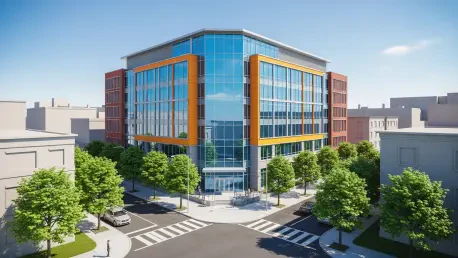

The struggle to find reliable psychiatric support in New York City often depends more on a resident’s zip code than the actual severity of their condition, leaving many families in the South Bronx without a clear path toward healing. The opening of the new Counseling Center and Crisis Services facility at 1057 Southern Boulevard marks a significant shift in this landscape, providing a centralized hub for children and adolescents in the Longwood neighborhood. By establishing a dedicated space for mental health care, Astor Services is directly confronting a long-standing history of medical neglect and underfunding in one of the most densely populated urban corridors. This expansion does not merely add more physical space; it creates a safety net for families who have historically navigated a fragmented system with few local options. As residents deal with the lingering effects of systemic stress, the presence of a localized resource offers a beacon of stability that was previously missing from the local infrastructure.
Addressing the Disparity: Bridging the Psychiatric Gap
The Bronx has long been characterized as a medical desert regarding specialized mental health services, with data indicating the highest rate of psychiatric hospitalizations across all five boroughs. While Manhattan boasts approximately 150 psychiatrists per 100,000 residents, the Bronx has struggled with a mere 19 professionals for the same population size, creating a dangerous imbalance in care availability. This shortage often forces patients into emergency rooms for issues that could have been managed through outpatient intervention, leading to overcrowding and delayed treatment. By placing this new facility in the heart of the South Bronx, the organization aims to dismantle these geographic barriers and ensure that intensive care is reachable within a short commute. Reducing the transit time and logistical hurdles associated with seeking help is a fundamental step toward improving long-term health outcomes for the community’s youth and providing them with a fair chance at successful development.
Leading this initiative is CEO Yvette Bairan, who emphasizes the necessity of cultural competence when providing clinical support in such a diverse and complex environment. The center provides services in both English and Spanish, ensuring that language is no longer a barrier for the hundreds of families seeking guidance for their children’s well-being. In its initial months of operation, the facility has already reached over 400 clients, demonstrating the sheer volume of latent demand that had been previously unaddressed by the existing medical network. This proactive outreach helps to normalize the process of seeking therapy, which is often hindered by social stigma or a lack of trust in institutional healthcare providers. By integrating into the fabric of the Longwood neighborhood, the center fosters a sense of belonging and safety that is essential for effective psychiatric work and the development of sustainable coping mechanisms. These early successes suggest that a localized, linguistically inclusive approach is vital.
Clinical Innovations: Specialized Care for Adolescents
One of the most innovative components of the new facility is the borough’s first Adolescent Partial Hospitalization Program, specifically designed for youth between the ages of 11 and 18. This model provides an intermediate level of care that allows teenagers to receive intensive therapeutic support during the day while returning to the comfort of their homes in the evening. This structure prevents the social and educational disruption typically associated with traditional inpatient hospitalization, which can often exacerbate feelings of isolation or failure in a young person. By maintaining a connection to their family unit and neighborhood, participants can apply the skills they learn in therapy to real-world situations in real-time. This approach not only stabilizes the individual patient but also equips their caregivers with the necessary tools to support a healthy environment, creating a holistic support system that extends far beyond the clinic walls to ensure that the progress made during the day is sustained at home.
Beyond traditional therapy, the Trauma Recovery Center within the facility offers a multidisciplinary framework to assist victims of community violence and systemic trauma. This program integrates mental health services with medical coordination and legal advocacy, recognizing that a person’s psychological state is inextricably linked to their physical safety and legal standing. Victims of crime often face a complex web of administrative hurdles that can stall their recovery, and having a single point of contact for these diverse needs significantly reduces the burden on the individual. The clinical team works closely with community partners to ensure that every aspect of a survivor’s journey is addressed, from immediate crisis stabilization to long-term emotional processing. This comprehensive strategy acknowledges the reality of life in high-stress urban environments and provides a robust path toward resilience that is grounded in the lived experiences of the residents, offering them a way to reclaim their future.
Empowering Youth: Strength-Based Care and Accessibility
The organization also prioritizes behavioral health through its Juvenile Justice Program, which focuses on residents between the ages of 12 and 26 who may be at risk of entering the legal system. This program utilizes a strengths-based case management approach that emphasizes an individual’s existing talents rather than focusing solely on clinical deficits or past behavioral infractions. By fostering agency and accountability, the center helps participants navigate educational and workforce opportunities while addressing underlying psychological needs. To ensure these services remain accessible, the center maintains a policy of accepting all forms of insurance, including Medicaid, and provides care regardless of a patient’s ability to pay. Removing financial gatekeepers is a fundamental part of the mission, ensuring that the path to recovery is not blocked by socio-economic status. This dual focus on empowerment and affordability creates a sustainable model for long-term community wellness in an area that has been overlooked.
The long-term success of this expansion depended on the deep-rooted relationships the organization built within the community since its initial entry into the Bronx in 1982. Program Director Samantha Kroener and the clinical team focused on meeting families in their own neighborhoods to foster true resilience and long-term stability. Stakeholders prioritized the development of a preventative care infrastructure that reduced the reliance on emergency services and promoted a proactive approach to mental health. Moving forward, the facility established a blueprint for other urban areas to follow, emphasizing the integration of specialized clinical programs with legal and social advocacy. By focusing on the unique strengths of the youth and the cultural nuances of the South Bronx, the center successfully bridged a historical gap in care. This evolution of strategy ensured that sustainable, compassionate support became a permanent fixture in the landscape of New York City’s healthcare system.