

The pursuit of value-based health care requires a robust evidentiary foundation that only large-scale, systematic surgical registers can currently provide to the field. This paradigm shift moves away from the traditional focus on procedural volume and instead prioritizes the long-term health

The integration of handheld terminals and real-time documentation platforms has successfully streamlined the flow of diagnostic and therapeutic orders in high-pressure resuscitation settings. This evolution in clinical workflow addresses the critical time-sensitivity inherent in managing septic

Mitapivat serves as an allosteric activator that stabilizes the pyruvate kinase R enzyme to restore cellular energy and maintain essential intracellular hydration. This mechanism lies at the heart of the Phase 3 RISE UP trial, which recently delivered results that could fundamentally redefine how

The transition to Electronic Medical Records allows BPJS Kesehatan to examine 18 specific data points, including hospitalization duration and diagnostic accuracy. This comprehensive digital shift marks a significant departure from the previous administrative landscape, which relied heavily on

The shift toward decentralized healthcare aims to reduce the influence of intermediaries like insurance administrators while returning financial autonomy to the individual patient. Senator Chuck Grassley has recently spearheaded a series of initiatives that emphasize the necessity of individual

A permanent structural shift is required to move beyond temporary federal funding and establish mental health as a foundational pillar of the public health system. Currently, the medical landscape in regions like British Columbia serves as a stark reminder of the widening chasm between physical

Lead author Dr. Chunhui Yao highlights that the device prioritizes mathematical insight over hardware complexity to achieve its compact and affordable form factor. This philosophy drove the collaborative effort between the University of Cambridge and the startup GlitterinTech to create a

Inflationary pressures are being cited as the primary reason why Pike Construction requires $750,000 in incentives to move forward with the medical center project. Located at 20 North Street on the grounds of a former dining establishment, the proposed 10,000-square-foot facility is intended to
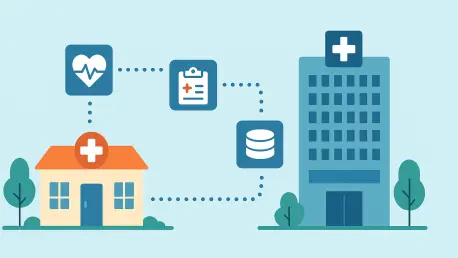
Standardizing data reporting formats across all agencies is a critical step toward reducing the massive administrative lift required of rural staff. In the healthcare landscape of 2026, the transition from paper records to digital infrastructure was supposed to unify the American medical system,

Integration of AI into the European healthcare landscape requires a focus on service design to ensure that digital submissions lead to clear and actionable pathways for practitioners. The medical community has reached a crossroads where the raw intelligence of large language models is no longer the
1 2 3 4 5 6 7 8 9 10 11 12 13 14 15 16 17 18 19 20 21 22 23 24 25 26 27 28 29 30 31 32 33 34 35 36 37 38 39 40 41 42 43 44 45 46 47 48 49 50 51 52 53 54 55 56 57 58 59 60 61 62 63 64 65 66 67 68 69 70 71 72 73 74 75 76 77 78


