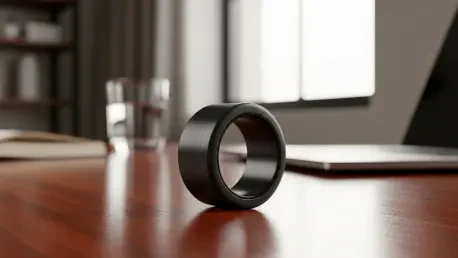

The shift from obtrusive wrist-worn displays to discreet, high-fidelity biometric rings represents one of the most significant transformations in personal health technology observed over the past several years. As the wearable market matures in 2026, consumers are increasingly seeking out devices that offer sophisticated data collection without the constant interruption of screens, notifications, and frequent charging requirements. This evolution has paved the way for the RingConn Gen 3, a device that prioritizes passive monitoring and long-term physiological trends over the active, often intrusive coaching styles found in traditional smartwatches. By emphasizing a seamless integration into the user’s lifestyle, this third-generation ring addresses the growing demand for health tools that feel more like personal accessories than medical equipment. This strategic focus positions the device as a formidable alternative for those who want to reclaim their attention while maintaining a deep, data-driven understanding of their internal health metrics and daily recovery patterns.
Refining the Form Factor: Design and Physicality
Aesthetic Enhancements and Structural Integrity
The design philosophy behind the RingConn Gen 3 revolves around the concept of “functional elegance,” ensuring that the ring serves as both a powerful sensor hub and a piece of high-end jewelry. It retains the signature “squircle” outer shape, a geometry that serves a practical purpose beyond mere aesthetics by preventing the ring from rotating unnecessarily on the finger. This stability is crucial for maintaining the precise alignment of the internal sensors against the skin. To further elevate the user experience, the manufacturer introduced a hand-brushed finish across its five color options, which provides a sophisticated matte appearance that is remarkably effective at hiding fingerprints and resisting minor abrasions. This textural improvement represents a significant shift from the glossy surfaces of previous generations, which often showed wear and tear after only a few months of continuous use. The result is a device that maintains its premium look throughout the rigors of daily life, from office environments to outdoor excursions.
Internally, the structural engineering of the ring has been meticulously refined to balance advanced hardware requirements with the need for extreme comfort. Although the device measures approximately 2.3 millimeters in thickness—a slight increase to accommodate new internal components—the designers successfully contoured the internal edges to ensure a more ergonomic fit. This tapering makes the ring feel narrower on the finger than its actual dimensions suggest, preventing it from digging into adjacent fingers during tasks that require a firm grip. Weighing in at a mere 2.5 to 3.5 grams depending on the size, the ring is light enough to be worn 24/7 without causing the physical fatigue often associated with heavier metal bands or bulky smartwatches. This level of comfort is essential for the device’s primary mission, which is to collect uninterrupted biometric data during the most critical times for health analysis, such as deep sleep and periods of intense physical recovery.
Fitment and Environmental Resistance
Ensuring a precise fit is the most critical step in the user journey, as the accuracy of the biometric data depends entirely on the proximity of the sensors to the user’s skin. To facilitate this, the Gen 3 launch includes a proprietary sizing system that has been updated to reflect the subtle changes in the ring’s internal architecture. Even for those who have worn previous versions of the ring, the company highly recommends using a new sizing kit to account for the refined contours of the third generation. The process involves wearing a plastic mock-up for at least twenty-four hours to account for natural finger swelling that occurs during sleep or exercise. By selecting a size that fits snugly on the index finger, users ensure that the optical heart rate sensors and temperature gauges remain in constant contact with the skin, which minimizes the “noise” in the data caused by movement or gaps between the ring and the finger.
In addition to achieving a perfect fit, the RingConn Gen 3 is built to withstand the diverse environments that a modern user might encounter. The device carries a robust IP68 and 10ATM water resistance rating, meaning it can be submerged in water up to 100 meters deep without compromising its internal electronics. This level of durability allows for a truly “always-on” experience, where the user can transition from a morning shower to a high-intensity swim or a professional kitchen environment without ever having to remove the tracker. This environmental resilience is not just a convenience; it is a vital feature for maintaining the integrity of long-term health datasets. By removing the need to take the ring off for daily hygiene or aquatic activities, the device ensures there are no significant gaps in heart rate or activity logs, providing a comprehensive and holistic view of the user’s physiological state throughout the entire day and night.
Internal Engineering: Sensors and Power
Biometric Sensor Suite and Haptic Feedback
The internal hardware of the RingConn Gen 3 has undergone a comprehensive overhaul, featuring advanced optical sensors that provide higher resolution data while consuming less power than previous iterations. The core of this system is an upgraded heart rate monitor that utilizes multiple light paths to ensure accurate readings across various skin tones and movement intensities. Accompanying these sensors is a highly sensitive skin temperature gauge that can detect minute fluctuations in the body’s thermal profile, which is often an early indicator of illness, hormonal shifts, or changes in recovery status. Perhaps the most innovative addition is the inclusion of a micro-vibration motor, a rare feat in the smart ring category due to the extreme space constraints. This haptic engine allows the ring to communicate with the user through subtle pulses, providing a non-visual feedback loop that can signal everything from low battery alerts to milestones in daily activity goals.
Beyond basic heart rate monitoring, the device integrates a 3-axis accelerometer and specialized respiratory sensors that work in tandem to map the user’s autonomic nervous system. This sophisticated hardware allows the ring to track blood oxygen levels (SpO2) and breathing stability with a degree of precision that was previously reserved for much larger, wrist-based devices. These sensors are particularly effective during rest, where they can identify the subtle physiological signatures associated with different sleep stages and even potential respiratory irregularities. The data collected by these components is processed locally on a power-efficient chipset before being synced to the mobile app, ensuring that the ring remains a proactive health companion rather than a passive data logger. This hardware-first approach ensures that the insights generated by the ring are grounded in high-fidelity raw data, which is the foundation of any reliable health tracking ecosystem in 2026.
Energy Management and Charging Efficiency
Battery longevity remains one of the primary pillars of the RingConn experience, with the Gen 3 pushing the boundaries of what is possible in a miniaturized form factor. Despite the addition of a power-hungry vibration motor and more frequent sensor sampling, the device offers an impressive 11 to 14 days of use on a single charge. This extended lifespan is a major differentiator in a market where many competitors struggle to reach the one-week mark. By reducing the frequency of charging cycles, the device minimizes the likelihood of users leaving the ring on a charger and forgetting to put it back on, which often leads to significant gaps in health data. This longevity is particularly beneficial for frequent travelers or those with demanding schedules, as it allows for nearly two full weeks of continuous monitoring without the need to carry additional charging cables or accessories.
The charging experience itself has been streamlined through the introduction of a universal wireless charging case. Unlike previous models that required size-specific cradles, this new case utilizes a flexible interior design that accommodates the entire range of ring sizes, from size 6 to size 14. This universal approach simplifies the logistics for users who might share a charger within a household or for those who need to replace their case independently of the ring. Furthermore, the ring’s internal memory has been expanded to store up to ten days of biometric data offline. This means that if a user is away from their smartphone or chooses not to sync the app for several days, the ring will continue to record every heartbeat and movement, uploading the complete history the next time a connection is established. This combination of long battery life and robust offline storage ensures that the user’s health journey is documented without interruption.
Comprehensive Health and Sleep Analytics
Vascular Trend Tracking and Wellness Alerts
One of the most ambitious software features introduced with the Gen 3 is the Vascular Trend monitoring system, which seeks to provide a long-term view of cardiovascular health without the need for a bulky blood pressure cuff. By sampling arterial pulse waves every 15 to 20 minutes during periods of inactivity, the ring can identify patterns in vascular elasticity and blood flow trends. While the company is careful to state that this is not a medical-grade blood pressure monitor, the data is invaluable for visualizing how lifestyle choices—such as sodium intake, caffeine consumption, and chronic stress—impact the circulatory system over weeks and months. This high-level overview allows users to recognize when their cardiovascular system is under strain, prompting them to make informed adjustments to their daily habits before minor issues escalate into more significant health concerns.
The implementation of haptic alerts further bridges the gap between passive data collection and active wellness management. Currently, the ring uses its internal vibration motor to provide “sedentary nudges,” which are gentle reminders to move after long periods of sitting. These alerts are designed to be subtle enough not to disrupt a meeting or a social engagement, yet noticeable enough to prompt the user to stand and stretch. Looking ahead, the hardware is capable of supporting more advanced notifications, such as silent wake-up alarms that vibrate on the finger to wake the user without disturbing a partner. By transforming the ring into a haptic communicator, the Gen 3 becomes a more interactive partner in the user’s wellness journey. This shift toward active feedback ensures that the user is not just viewing data after the fact, but is receiving real-time cues that encourage healthier behaviors throughout the day.
Sleep Architecture and Respiratory Analysis
Sleep tracking has long been the cornerstone of the smart ring industry, and the Gen 3 elevates this experience by providing a highly granular breakdown of sleep architecture. The device excels at distinguishing between light, deep, and REM sleep phases by analyzing heart rate variability (HRV) and movement patterns in tandem with skin temperature. This data is then used to generate a “Sleep Quality Score,” which gives users a quick snapshot of how well they recovered overnight. Beyond these standard metrics, the app provides insights into circadian rhythms, helping users understand their ideal sleep and wake times based on their unique biological clock. By identifying the specific factors that lead to poor rest—such as late-night light exposure or high evening stress—the system empowers users to take control of their nocturnal environment and improve their overall energy levels during the day.
A critical component of this sleep analysis is the monitoring of respiratory stability and oxygen saturation. The Gen 3 is specifically tuned to detect signs of sleep-disordered breathing, such as those associated with sleep apnea. By tracking the number of oxygen drops and breathing irregularities per hour, the ring provides a valuable screening tool for individuals who may not realize they are suffering from poor sleep quality. This proactive approach to respiratory health is a major advancement, as it allows users to bring concrete data to their healthcare providers for further investigation. The integration of these complex metrics into an easy-to-understand interface makes the RingConn Gen 3 an essential tool for anyone looking to optimize their recovery and long-term health. The ability to track these trends over time ensures that users can see the tangible benefits of lifestyle changes, such as improved sleep hygiene or a more consistent exercise routine.
Performance Benchmarks and Software Ecosystem
Validation Against Industry Standards
In the competitive landscape of 2026, the utility of a health tracker is defined by the reliability of its data, and the RingConn Gen 3 has been extensively tested against established benchmarks. In comparative studies involving high-end fitness watches and professional-grade chest straps, the ring demonstrates a high degree of correlation in heart rate and step-counting accuracy. For daily activities such as walking, light jogging, and general movement, the margin of error remains within a very tight range, making it a dependable tool for those who track their daily caloric burn and activity levels. While the physics of a finger-based sensor presents inherent challenges during high-intensity interval training (HIIT)—where rapid wrist movements and grip changes can momentarily disrupt light paths—the ring’s algorithms are remarkably adept at smoothing out these anomalies to provide a consistent average heart rate throughout a workout session.
The ring truly shines in its measurement of resting heart rate (RHR) and heart rate variability (HRV), which are the two most critical metrics for assessing the state of the autonomic nervous system. Because the ring is designed for 24/7 wear, it can capture these readings during the most stable periods of the night, leading to a much more accurate baseline than devices worn only during the day. This data is essential for determining a user’s “Readiness Score,” a composite metric that tells the user whether their body is prepared for a high-intensity workout or if it requires a rest day. By providing data that rivals the precision of much more expensive and cumbersome equipment, the Gen 3 proves that it is more than just a lifestyle accessory; it is a legitimate piece of health technology that can be trusted for long-term physiological monitoring and performance optimization.
Mobile Interface and Data Architecture
The companion app for the RingConn Gen 3 serves as the primary gateway to the massive amount of data collected by the ring, and its design reflects a sophisticated approach to information architecture. The app employs a top-down hierarchy, presenting the most critical “at-a-glance” metrics—such as sleep score, activity progress, and current stress levels—on the main dashboard. This allows users to get a quick pulse on their health without feeling overwhelmed by technical details. However, for those who wish to dive deeper, the app offers granular charts and historical views that allow for the comparison of data points over days, weeks, or months. This dual-layered approach ensures that the app remains accessible to casual users while providing the depth required by data enthusiasts who want to correlate their physical metrics with external factors like diet or medication.
One of the standout features of the software is the integration of “Stress Management” tools, which use real-time HRV data to categorize the user’s stress levels into different zones throughout the day. When the ring detects a period of high physiological strain, the app can offer suggestions for breathing exercises or short breaks to help the user regulate their nervous system. The layout is clean and logical, avoiding the cluttered “gamification” elements that often plague other fitness apps. Instead, RingConn focuses on clear visualization and actionable insights, making it easy to spot trends—such as a gradual increase in resting heart rate over a week—that might indicate overtraining or the onset of a cold. This focus on clarity and utility ensures that the data collected by the ring is not just stored, but is actively used to improve the user’s quality of life through better-informed daily decisions.
Market Positioning and Strategic Outlook
Competitive Value and Pricing Transparency
The defining characteristic of the RingConn Gen 3 in the current market is its commitment to a subscription-free business model. While many of the leading brands in the wearable space have transitioned to a recurring fee structure—requiring users to pay a monthly premium just to access their own health data—RingConn has maintained a one-time purchase philosophy. This approach offers significant long-term value, as the total cost of ownership remains far lower than that of competitors who charge upwards of sixty to eighty dollars per year in addition to the initial hardware price. For the consumer, this transparency builds a level of trust that is often missing in the modern tech ecosystem. It ensures that all features, including advanced sleep apnea tracking and vascular trend analysis, are available to every user from the moment they put the ring on, with no hidden costs or “paywalled” metrics.
From a strategic standpoint, this pricing model positions the Gen 3 as the primary challenger to established market leaders. By offering a hardware package that is arguably more advanced—featuring a vibration motor and superior battery life—at a more predictable price point, the company has carved out a unique niche for itself. The ring is not just a cheaper alternative; it is a technologically superior device that happens to be more affordable over its lifespan. For individuals who are tired of the “SaaS-ification” of hardware, the Gen 3 represents a refreshing return to a traditional ownership model. This financial transparency, combined with the ring’s high-performance sensor array, makes it a compelling choice for both new adopters entering the smart ring market and seasoned users looking to escape the cycle of monthly subscriptions.
Future Roadmap and Actionable Health Management
The RingConn Gen 3 established a new benchmark for what users should expect from a screenless wearable in terms of both financial transparency and hardware capability. By opting for a one-time purchase model that rejected the industry-wide shift toward mandatory subscriptions, the company offered a sustainable path for long-term health tracking without recurring costs. Moving forward, potential adopters should evaluate their need for haptic feedback and vascular trend monitoring when deciding between an upgrade or a first-time purchase. The most effective use of this technology involved a commitment to wearing the device consistently during both rest and activity to allow the algorithms to build a comprehensive baseline of personal health. Future considerations for users included the integration of this data with broader healthcare ecosystems, ensuring that the insights gathered from the finger could be leveraged for more proactive medical consultations and lifestyle adjustments. As the wearable landscape continued to evolve, the emphasis on data ownership and battery longevity proved to be the most critical factors in maintaining long-term user engagement and health optimization.