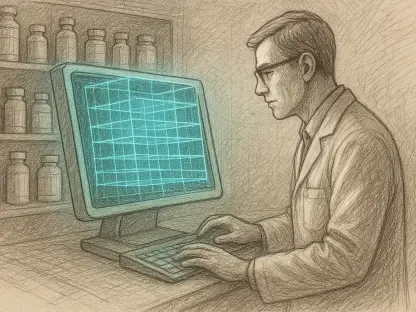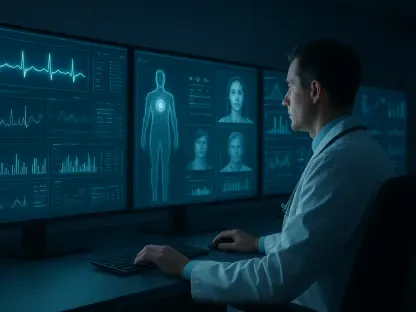

Despite billions of dollars pouring into advanced electronic health records and clinical decision support systems, the primary bottleneck in modern medical technology remains the human capacity to integrate these digital tools into an already frantic workday. Healthcare organizations today face a landscape where software-as-a-service models provide constant, seamless updates, yet the individuals at the bedside often struggle to keep pace with the evolving functionality. This discrepancy creates a scenario where the most sophisticated AI integrations and data analytics platforms sit underutilized, essentially acting as expensive digital paperweights. The challenge is no longer a matter of engineering or connectivity; rather, it is a psychological and operational hurdle known as change fatigue. As health systems continue to expand their digital footprints from 2026 to 2030, the focus must shift from the technical “go-live” to a sustained model of human mastery. Success is now measured not by the successful deployment of a server, but by the degree to which a nurse or physician feels the technology enhances their practice.
The Hidden Cost of Incomplete System Utilization
When clinical and operational staff fail to fully adopt the capabilities of a comprehensive platform like the Epic EHR or Workday, a dangerous perception of functional gaps begins to emerge within the organization. This perception often leads department heads to advocate for the purchase of niche, third-party “point systems” designed to solve specific problems that the primary software could already handle if utilized to its full potential. This cycle of redundant procurement not only balloons the IT budget but also increases the complexity of the digital environment, leading to further fragmentation of data and user frustration. To break this cycle, IT leadership must prioritize uncovering the hidden features of existing investments. By ensuring that every user understands the breadth of the tools already at their fingertips, organizations can reduce the need for external additions. This requires a deep dive into current workflows to demonstrate how existing modules can be optimized to meet specialized departmental needs without new software.
Change fatigue represents a significant barrier to the long-term success of any digital transformation initiative, as the sheer volume of updates can leave even the most tech-savvy professionals feeling drained. In an era where software updates occur in short, frequent cycles, the constant need to learn new buttons, menus, and protocols can detract from the primary mission of patient care. When clinicians are forced to navigate poorly understood interfaces, the resulting friction often manifests as a decrease in productivity and an increase in documentation errors. Addressing this requires a cultural shift where the IT department is seen not as a distant provider of hardware, but as a continuous partner in professional development. This partnership involves recognizing that technology adoption is a marathon, not a sprint, necessitating a slower, more deliberate approach to rolling out new features. By prioritizing the mental bandwidth of the staff, organizations can ensure that technological advancements serve to empower the workforce rather than contributing to burnout.
Bridging the Gap Through Person-Centered Support
Shifting the internal focus of IT departments from technical implementation to robust training teams represents a strategic reallocation of resources that addresses the human side of technology. Historically, the bulk of IT spending concentrated on the software itself and the technical staff required to keep the systems running; however, modern needs dictate a move toward “feet on the ground” support structures. This means deploying trainers and clinical liaisons directly into the hospital units to provide real-time assistance and hands-on demonstrations. By being physically present in the workspace, these IT professionals can observe how software is used in high-pressure situations and offer immediate corrections or shortcuts. This proactive engagement helps demystify complex systems and builds trust between the clinical staff and the technology department. When a physician can turn to a nearby expert for a quick explanation, the barrier to adoption lowers significantly, fostering an environment where digital tools are embraced as helpful assets.
Healthcare organizations that prioritized human adoption over technical specifications established a more resilient and efficient operational foundation for the future. These leaders recognized that the most sophisticated software was only as effective as the person operating it, and they consequently moved resources toward comprehensive support and workflow alignment. By fostering a culture of continuous learning and providing targeted, accessible training, they successfully mitigated the effects of change fatigue and reduced the reliance on redundant systems. These institutions moved away from viewing IT as a series of isolated projects and instead treated digital evolution as an ongoing journey of professional improvement. This strategic shift empowered clinical staff to master their tools, which directly translated into better patient outcomes and higher levels of employee satisfaction. The focus shifted toward ensuring every technological change served a clear purpose, making the digital environment a true partner in healthcare delivery.