
A Practical Opening: Why Hospitals Need a Blueprint Now
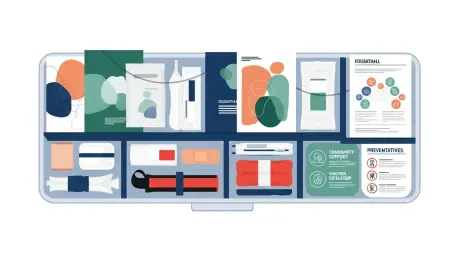
Hospitals face the daily aftermath of shootings, yet leadership teams often lack a clear playbook for prevention that translates mission into measurable practice across clinics, communities, and data systems without stalling in policy stalemates or culture wars. Northwell Health’s new digital toolkit answers that gap with a practical, modular guide designed to be used, not admired.
By framing gun violence as a preventable public health crisis, the resource makes a case for hospital-led action that is both compassionate and operational. The throughline is implementation: clear steps, scalable design, and outcomes that can be tracked and improved.
Context and Origins: From Crisis to Coordinated Health System Action
Recent data signal cautious progress, with firearm injuries trending downward in several jurisdictions. Yet the toll remains severe: more than 44,000 U.S. deaths in 2024—about 122 per day—and firearms still the leading cause of death for children and teens.
Northwell’s stance did not emerge overnight. Since launching the Center for Gun Violence Prevention in 2019 and convening national forums for seven years, the system has cultivated consensus across disciplines. Backing from the Joyce Foundation reinforced a culture of testing, learning, and scaling what works.
What the Toolkit Delivers: Scope, Structure, and Standout Elements
Modular, Adaptable Design That Fits Local Community Needs
Hospitals can tailor components to local epidemiology and resource realities. Templates flex for urban trauma centers and rural clinics alike.
Nearly 100 Strategies Across System, Community, Clinical, and Organizational Levels
The catalog spans safe storage counseling, hospital-based violence intervention, and community outreach. Governance and staffing models sit alongside frontline workflows.
Portfolio-Building Roadmap to Phase and Scale Interventions Over Time
Leaders can stage quick wins while laying groundwork for deeper change. The roadmap balances feasibility with impact.
Evidence-Informed Framing Aligned With Recent Declines in Firearm Injuries
The message is pragmatic: prevention works, so expand it now. Guidance links tactics to emerging results.
Cross-Sector Partnership Guides Spanning Public Health, Education, Law Enforcement, and Community Groups
Partnership playbooks clarify roles, data use, and trust safeguards. Community voices are built into design and review.
Data Infrastructure for Tracking Outcomes, Refining Strategies, and Reporting Impact
Standard measures, registries, and feedback loops anchor improvement. Dashboards inform both bedside practice and boardroom decisions.
Implementation Supports: Checklists, Workflows, Scripts, and Training Resources
Ready-to-use tools shorten the distance from plan to practice. Training modules normalize prevention in routine care.
Illustrative Examples From Northwell’s Forums and Partner Sites
Case snapshots show how peers solved barriers and measured gains. These vignettes make adoption feel attainable.
What Sets Northwell’s Approach Apart
This is a health system–led model that integrates prevention into everyday care rather than siloed programs. Shared learning across regions accelerates adoption and reduces duplication.
A rigorous data ethic underpins the work, with transparent reporting and iterative refinement. Philanthropy enabled safe experimentation that now informs scalable practice.
Where Things Stand Now: Launch, Adoption, and Momentum
The debut arrived with a national call for hospitals and clinics to adopt, test, and report results. Early pilots are validating feasibility while mapping costs and outcomes.
Ongoing convenings continue to align metrics and refine tools. Plans include regular updates, open-access materials, and technical assistance to support scale.
Reflection and Broader Impacts
Reflection
Strengths include modular design, evidence-informed guidance, a data-first backbone, and partnership depth. Challenges persist around politics, data-sharing, and steady funding.
Mitigations focus on phased rollout, adaptable templates, and coalition strategies that stabilize staffing and sustain momentum.
Broader Impact
Standardized hospital-led prevention could become the norm rather than the exception. Stronger data ecosystems would enable credible benchmarking and targeted investment.
Policy-aligned practice and authentic community engagement may rebuild trust while focusing resources where harm is highest.
Conclusion: A Scalable Path Forward for Health Systems
The toolkit stood out as practical, modular, evidence-informed, and partnership-driven. Health systems were positioned to use favorable injury trends to widen what worked, measure outcomes, and share results so gains multiplied across regions.