
The subtle vibration of a high-resolution haptic bed and the precision-engineered hum of a personalized frequency are replacing the sterile silence of recovery rooms in some of the most advanced neurological wards today. While traditional medicine has long prioritized chemical interventions to alter the human state, a radical shift is occurring where sound is no longer just a backdrop to life, but a data-driven clinical instrument. This transition moves acoustic science from the incense-filled rooms of niche wellness into the high-tech reality of modern digital therapeutics, marking a moment where ancient healing meets the sophisticated precision of the algorithm.
The Silent Revolution Resonating Through Hospital Corridors
Healthcare providers are currently witnessing the birth of a world where the most effective prescription for chronic anxiety or motor recovery is not a pill, but a specific sequence of sound frequencies tailored to a patient’s unique brain waves. As traditional healthcare systems struggle with the rising costs of pharmaceutical care and the limitations of invasive procedures, acoustic medicine is emerging as a powerful, non-invasive alternative. By converting auditory signals into measurable therapeutic outcomes, clinicians are now able to target the nervous system with unprecedented accuracy, moving beyond the “one-size-fits-all” model toward a future of individualized care.
This acoustic evolution is particularly significant as it addresses the growing burnout in the medical community and the fatigue of patients tired of systemic side effects. Hospitals that have integrated these sound-based interventions report a tangible change in the atmosphere; the environments feel less like high-pressure clinical zones and more like spaces optimized for physiological recalibration. This shift signifies more than just a new tool; it represents a fundamental change in the philosophy of care, prioritizing the stabilization of the body’s internal rhythms through external auditory stimuli.
Why the Healthcare Industry Is Tuning Into Acoustic Medicine
The global demand for scalable mental health and neurological solutions has become an urgent priority for governments and private health sectors alike. With nearly one billion people worldwide living with some form of mental health disorder, the existing infrastructure is buckling under the weight of an escalating crisis. Simultaneously, the digital therapeutics market is projected to soar past $25 billion by 2030, reflecting a massive appetite for remote-friendly interventions. This trend is largely driven by the adoption gap, which describes the difficulty patients experience when trying to integrate complex medical regimens into their daily routines.
Sound therapy effectively bypasses this hurdle because listening is a passive, friction-free habit already deeply embedded in human culture. Unlike medications that require strict timing or physical therapies that demand significant exertion, auditory medicine allows for treatment during sleep, work, or transit. By turning an everyday experience into a focused therapeutic session, providers can achieve significantly higher compliance rates. This ease of use, combined with the absence of pharmacological side effects, makes acoustic medicine a highly attractive option for a world that is increasingly desperate for balance and accessible care.
The Convergence: Artificial Intelligence and Auditory Neuroscience
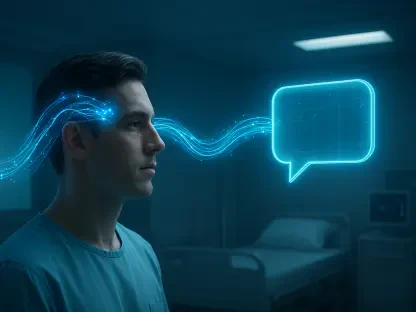
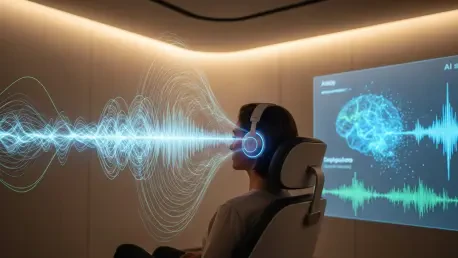
At the heart of this transformation is the integration of artificial intelligence, which serves as the engine for modern clinical effectiveness. Unlike the static recordings of the past, contemporary AI systems analyze real-time biometric data—such as heart rate variability and sleep cycles—to synthesize bespoke auditory environments on the fly. This precision personalization ensures that a patient with acute anxiety receives low-frequency tones to down-regulate the nervous system, while a patient in stroke rehabilitation might receive specific rhythmic entrainment to stimulate motor pathways and neuroplasticity.
The economic impact of this technology is equally profound, as the expansion into sleep technology and mental wellness represents a multi-billion-dollar opportunity for health systems. With up to 40% of adults currently suffering from sleep disturbances, sound-based systems offer a natural alternative to sedatives, which often carry risks of dependency. Furthermore, research indicates that certain vibrations can interfere with pain signaling in the spinal cord, providing a non-opioid pathway for chronic pain management. This fusion of AI and neuroscience does not just improve patient outcomes; it creates a new category of medical assets that are digital, scalable, and highly effective.
Validating the Frequency: Evidence-Based Success in Sound Science
The credibility of this field no longer rests on anecdotal claims but on rigorous neurophysiological data gathered from advanced monitoring. A recent randomized controlled trial demonstrated that EEG-guided binaural beats—where two distinct tones create a third internal frequency in the brain—can significantly enhance cognitive performance and deep relaxation states. Industry leaders such as Maejor Ali have noted that for health technology to succeed, it must resonate across cultural borders and fit comfortably into the human experience. This sentiment is echoed in findings that show how specific frequency bands can improve memory retention and focus.
By monitoring brain activity through electroencephalography, clinicians can now observe the immediate, objective impact of auditory stimuli on a patient’s neurological state. This transparency was previously impossible, but with the advent of wearable EEG technology, the data loop is now closed. These scientific validations are crucial for the widespread adoption of sound therapy, as they provide the “proof of concept” required by insurance providers and regulatory bodies to move these treatments into the mainstream of medical billing and standard care protocols.
A Practical Framework: Integrating Sound Therapy into Daily Care
To successfully adopt AI-powered sound therapy, clinicians and patients should follow a structured approach to maximize therapeutic outcomes. This begins with the establishment of a biometric baseline, using wearable devices to track heart rate variability and sleep quality for at least 48 hours to create a physiological signature. Once this data is analyzed, the patient utilizes frequency synchronization through EEG-guided platforms that offer binaural beats calibrated to desired mental states, such as Alpha waves for intense focus or Delta waves for restorative sleep.
The final stage of this framework involves passive integration and dynamic adjustment. By embedding therapeutic soundscapes into existing routines—such as during morning commutes or the final hour before bed—patients ensure consistency without suffering from treatment fatigue. Because these interventions are digital, the soundscapes can be adjusted weekly based on biometric progress. As the patient’s condition improves, the AI shifts the auditory stimulus to maintain the optimal therapeutic “challenge,” ensuring that the treatment remains effective over the long term and evolves in tandem with the user’s recovery.
The emergence of AI-powered sound therapy signaled a new era where the boundaries between technology and biology became increasingly blurred. It was observed that the most successful implementations occurred when patients treated sound not as a background element, but as a primary medical intervention. Future considerations now point toward the development of smart homes where acoustic medicine is integrated into the very architecture of living spaces. Healthcare leaders began looking into how these frequency-based tools could be deployed in public schools and high-stress workplaces to prevent burnout before it reached a clinical level. Ultimately, the focus shifted toward proactive “sensory hygiene,” suggesting that the next generation of medical breakthroughs would rely on the harmonious alignment of human physiology and digital frequency.