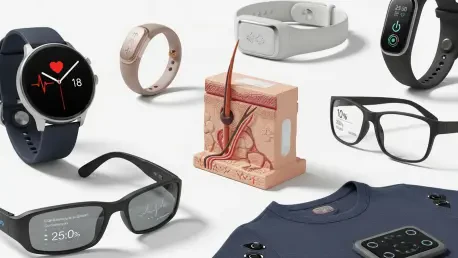

The rapid evolution of consumer biometrics has reached a definitive turning point as the majority of American adults now incorporate sophisticated wearable sensors into their daily wellness routines for continuous monitoring. Recent findings indicate that nearly sixty percent of the domestic population currently utilizes at least one form of connected health device, marking a significant transition from the early days of basic pedometers. This shift signifies a deeper integration of technology into the personal sphere, where individuals are no longer content with occasional check-ups but instead demand real-time data on their physiological states. From the sleek aesthetics of smart rings that track sleep architecture to the vital data provided by continuous glucose monitors, these tools have become essential for many. The movement reflects a cultural shift toward proactive health management, where the responsibility for wellness is shared between the individual and their digital counterparts. These developments suggest that the era of episodic healthcare is being replaced by a model of constant vigilance, driven by high-tech consumer electronics that provide a continuous window into the human body.
Socioeconomic Barriers: The Challenge of Equitable Access
Despite the impressive surge in adoption across the United States, a closer examination of the data reveals a persistent disparity in how these technologies are distributed among different social groups. Usage remains concentrated among younger demographics and those within higher income brackets who can easily afford the latest hardware and high monthly subscription fees. This demographic skew suggests that those with the most resources are disproportionately benefiting from the predictive insights offered by modern wearables. Consequently, the promise of democratized healthcare remains unfulfilled as financial barriers prevent a significant portion of the population from accessing the preventative benefits of these tools. The current landscape highlights a need for more affordable options to ensure that the advantages of digital health monitoring are not reserved solely for the affluent, but are instead available to anyone looking to improve their physical well-being. By addressing these economic hurdles, the industry can ensure that technological progress does not widen the existing gap in health outcomes.
Digital Health Equity: Reaching Marginalized Communities
The geographical divide continues to hamper the effectiveness of remote monitoring for residents in rural or underserved regions who may lack the necessary infrastructure to support these devices. Many high-tech sensors require consistent high-speed internet connectivity and a degree of digital literacy that is not universally present in every community across the nation. This creates a difficult situation where individuals managing chronic conditions in remote areas—who arguably stand to gain the most from continuous oversight—are often the ones least likely to have access to these life-saving technologies. Addressing this digital divide requires more than just cheaper gadgets; it demands a comprehensive investment in community-based education and broadband expansion. Without a concerted effort to reach these marginalized populations, the technological revolution in healthcare risks exacerbating existing health inequities rather than closing the gap between different social and economic classes. Ensuring that every citizen has the tools to participate in this digital revolution is critical for achieving a fair and effective national health strategy.
Clinical Partnerships: Redefining the Patient Experience
The influx of personal health data into clinical settings is fundamentally altering the traditional hierarchy between medical professionals and their patients. Today, a majority of device owners are bringing their gathered metrics into the exam room, presenting doctors with comprehensive logs of their heart rate variability, oxygen saturation, and rest patterns. This change has transformed the doctor-patient interaction from a one-sided consultation into a more collaborative dialogue based on objective, long-term evidence rather than brief, episodic observations. Physicians are increasingly finding themselves in the role of data interpreters, helping patients make sense of the complex patterns captured by their smartwatches and rings. This trend suggests that consumers are moving away from being passive recipients of medical advice toward becoming empowered participants in their own care. As patients become more informed, they expect their data to be a central component of their treatment. This shift toward a data-informed partnership is setting a new standard for how medical evaluations are conducted in the modern era.
Institutional Hurdles: Overcoming Resistance and Policy Gaps
The movement toward a society where the majority of adults utilized wearable health technology necessitated a fundamental rethink of how medical care was delivered and managed. Stakeholders recognized that simply owning a device was insufficient; the true value lay in the actionable steps taken by both users and providers to improve long-term health metrics. Manufacturers focused on enhancing the precision of their sensors while simultaneously simplifying the user interface to accommodate diverse populations with varying levels of tech proficiency. Medical schools eventually integrated data science into their core curricula, ensuring that the next generation of physicians was prepared to lead in a digitally saturated environment. Ultimately, the industry moved toward a model where technology served as a continuous bridge between the home and the clinic, rather than a separate entity. By prioritizing data interoperability and equitable access, society moved closer to a preventative care system that empowered every individual to manage their physiological health with confidence and clarity.