
The vast Australian landscape has traditionally presented a formidable challenge to the equitable distribution of specialized mental health services, leaving millions in remote regions underserved. For decades, the tyranny of distance meant that a resident in the Kimberley or the outback of Queensland might wait months for a single consultation with a qualified psychiatrist, often requiring extensive travel to metropolitan hubs like Sydney or Melbourne. However, the rapid maturation of digital communication platforms has fundamentally altered this dynamic, turning what was once a supplemental service into a primary pillar of the national healthcare strategy. Statistics from 2026 indicate that the percentage of psychiatric consultations conducted via high-definition video conferencing has reached an all-time high, effectively dismantling the physical barriers that once defined patient outcomes. This shift is not merely about convenience; it represents a profound systemic change in how crisis intervention and long-term management are delivered to the most vulnerable.
Digital Infrastructure: Bridging the Distance in Rural Healthcare
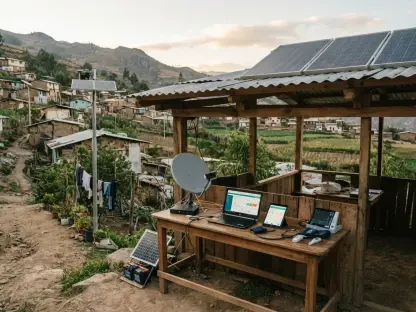
The current deployment of satellite-based internet services and the expansion of the National Broadband Network have provided the essential backbone for high-fidelity psychiatric care in previously isolated territories. By 2026, the reliability of these connections has reached a point where low-latency video streaming allows for the nuanced observation of patient affect, a critical component of diagnostic accuracy. Clinical psychologists and psychiatrists now utilize dedicated medical platforms such as Coviu or Healthdirect, which incorporate end-to-end encryption to meet the stringent requirements of the Australian Privacy Principles. These tools do more than just facilitate a conversation; they allow for integrated file sharing, real-time digital whiteboards for cognitive exercises, and secure e-prescribing through systems like ActiveScript. Consequently, the regional practitioner shortage is being mitigated by telementoring and collaborative care models where city-based specialists support local general practitioners.
Beyond simple video calls, the adoption of specialized telehealth software has enabled more sophisticated longitudinal monitoring of psychiatric conditions through asynchronous data collection. Mobile health applications now allow patients to record daily mood journals, sleep patterns, and medication adherence data that is automatically synced to their psychiatrist’s dashboard for review during scheduled sessions. This continuous stream of information provides a much more granular view of a patient’s health than the traditional snapshot provided by a once-monthly in-person visit. At present, the integration of these data points has significantly reduced the rate of psychiatric hospital readmissions by allowing clinicians to identify early warning signs of relapse or decompensation. Furthermore, the reduction in travel-related stress and financial burden for patients in Western Australia has led to higher retention rates in long-term therapy programs. This evolution demonstrates that digital tools are not just filling a gap but are actively enhancing the therapeutic relationship through better data.
Clinical Outcomes: Measuring the Impact of Remote Diagnostic Models
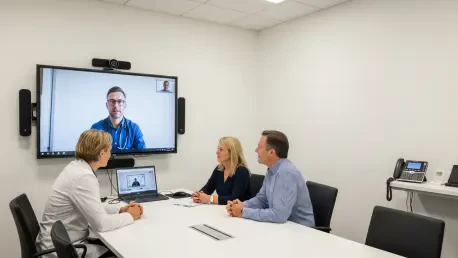
Recent clinical trials conducted within the Australian healthcare system have consistently shown that telehealth-delivered psychotherapy is as effective as face-to-face sessions for treating a wide range of disorders, including depression and anxiety. These studies emphasize that the therapeutic alliance—the bond between patient and provider—remains robust even when mediated by a screen, provided the technology is used skillfully. Specialized training modules for psychiatric residents now include webside manner to ensure that practitioners can convey empathy and maintain eye contact through the camera lens effectively. This professionalization of remote care has silenced early skeptics who feared that digital interfaces would sanitize the human element of psychiatry. Moreover, the ability to involve family members in remote family therapy sessions without the logistical hurdles of physical attendance has proven invaluable for adolescent mental health services, where domestic support systems are crucial for long-term recovery.
The transition toward a digitally integrated psychiatric landscape in Australia established a new benchmark for global healthcare systems seeking to solve geographical inequality. Stakeholders recognized that the success of these remote models depended heavily on the continued investment in high-speed infrastructure and the standardization of digital literacy for both providers and patients. Looking ahead, the focus shifted toward the inclusion of more advanced biometric sensors that could provide objective physiological data to supplement subjective patient reporting during tele-consultations. Future implementations prioritized the development of hybrid care models where initial assessments and crisis stabilizations were performed in person, followed by long-term remote maintenance. Policymakers and clinical leads worked to ensure that technological advancements did not outpace the human-centric focus of psychiatric care. Ultimately, the revolution of telehealth provided the necessary tools to create a more inclusive and accessible mental health framework.