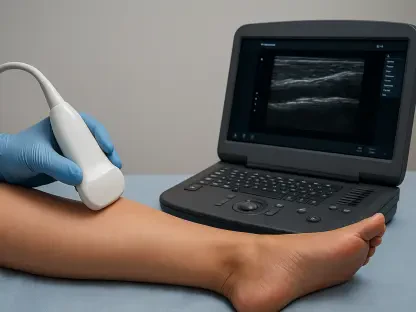

Vetting medication samples for purity and sterility is a critical step in ensuring that independent pharmacy partners meet the highest clinical standards for patient safety. The evolution of telehealth has long focused on the digital bridge between doctors and patients, yet it has frequently overlooked the final, critical step of the healthcare journey. While obtaining a prescription online has become increasingly seamless, the actual fulfillment process often remains a “black box” that excludes the pharmacy from the care team. To create a sustainable and safe healthcare ecosystem, the industry must transition away from anonymous fulfillment and recognize independent pharmacies as essential partners. By integrating these local experts into a transparent network, telehealth can finally bridge the gap between a digital consultation and high-quality physical care. This lack of transparency strips away patient agency and hides critical data points, such as turnaround times and safety protocols, from the end-user effectively at this stage.
Restoring Balance Through Marketplace Innovation
Economic Pressures: Supporting Local Pharmacy Providers
Independent pharmacies are currently facing a severe economic squeeze driven by complex intermediaries like Pharmacy Benefit Managers and massive insurance conglomerates. These entities often extract significant value from the system, leaving local pharmacies with razor-thin margins and very little leverage. Traditional telehealth models tend to worsen this pressure by viewing small pharmacies as interchangeable commodities. This economic reality has forced many local providers to evaluate their role within the digital health landscape from 2026 to 2028. By shifting away from the “lowest bidder” approach, the industry can support the financial viability of these local institutions. The current direct-to-consumer model often treats medication delivery as a mere logistical task rather than a clinical service, which undermines the professional expertise of pharmacists. Restoring the balance of power requires a marketplace that values service over pure volume, ensuring that small businesses can thrive.
Furthermore, the “lowest bidder” approach prevalent in many telehealth platforms creates a race to the bottom that prioritizes cost-savings over service quality. By funneling high volumes of prescriptions through a single, often hidden vendor, platforms prioritize their own margins at the expense of patient choice. This system leaves no room for alternative options if a patient is dissatisfied, reinforcing a rigid pipeline that treats medication as a commodity. Shifting toward a more open model is necessary to restore the balance of power to the consumer and provide a diverse range of fulfillment options. When the pharmacy remains invisible, the patient loses the ability to make informed decisions about their own treatment and fails to build a relationship with their healthcare provider. Breaking this cycle involves a fundamental reassessment of how value is distributed throughout the pharmaceutical supply chain, placing a premium on clinical excellence rather than just speed and delivery efficiency.
Market Structural Shift: Evolving Care Delivery
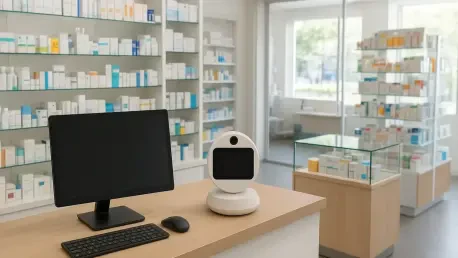
The proposed solution involves a three-sided marketplace that connects patients, healthcare providers, and a network of verified independent pharmacies. This model moves away from the single-vendor pipeline and introduces a “discovery layer” where patients can see pharmacy names, locations, and estimated delivery windows. By providing this visibility, the platform transforms the patient from a passive recipient into an empowered consumer. This structural change ensures that pharmacies are valued for their professional contributions and clinical reliability. As this model scales from 2026 to 2028, it provides a blueprint for a more resilient healthcare infrastructure. The rapid expansion of this model—growing from 10 to over 88 partners in a single quarter—indicates a high level of demand among independent pharmacists for a platform that values their professional contributions over mere fulfillment speed. This shift is essential for maintaining the integrity of the medical field.
Implementing a marketplace model allows for a decentralized approach that benefits both the provider and the end-user. Instead of being forced into a narrow fulfillment funnel, patients can select a partner that aligns with their specific needs for speed, reputation, or proximity. This autonomy fosters a sense of ownership over the health journey that is often missing in digital interactions. Moreover, by diversifying the fulfillment network, telehealth platforms reduce the risk of systemic bottlenecks that occur when relying on a single, massive fulfillment center. This resilience is vital in an era where supply chain stability is a constant concern. The integration of a diverse range of independent partners creates a competitive environment where the primary differentiator is the quality of care provided. This market dynamic naturally elevates the standard for the entire industry, ensuring that patient outcomes remain the central focus of every technological advancement and logistical update.
Prioritizing Quality and Long-Term Outcomes
Verification Standards: Ensuring Clinical Purity
For a marketplace to function effectively, trust must be built through a rigorous vetting process that goes beyond simple administrative checks. Quality is ensured by testing medication samples for purity and sterility, removing the ambiguity often associated with mail-order services. This commitment to verification ensures that “better pharmacies” translates directly into “better care” for the patient. The rapid growth of such networks suggests that pharmacists are eager to join platforms that prioritize clinical standards over mere fulfillment speed. These verification protocols provide a safety net that protects patients from substandard products that might otherwise slip through an unvetted supply chain. By maintaining high barriers to entry, the marketplace ensures that only the most dedicated independent pharmacies participate. This dedication to quality control serves as a cornerstone for building long-term trust between the patient, the telehealth platform, and the physical dispensing location.
Continuous monitoring and data-driven assessments are integral to maintaining these high clinical standards. By establishing a feedback loop that tracks performance metrics such as accuracy, turnaround time, and patient satisfaction, the marketplace can identify and reward top-tier providers. This transparent system incentivizes independent pharmacies to invest in better technology and training, further enhancing the level of service they offer. Unlike the traditional “black box” model, where poor performance is often obscured, this transparent framework makes accountability a central feature of the partnership. The availability of this data allows for a more nuanced understanding of the pharmacy’s role in the broader healthcare ecosystem. As clinical standards become more rigorous, the collaboration between digital platforms and physical pharmacies becomes more sophisticated, leading to a higher degree of safety for patients who rely on mail-delivery medications for their chronic conditions.
Patient-Centric Growth: Rehumanizing the Digital Chain
The industry ultimately recognized that the success of the telehealth industry depended on the strength of its weakest link, which was historically the opaque fulfillment process. By treating these pharmacies as essential partners, the healthcare chain became more resilient against extractive industry practices that previously dominated the landscape. This integration led to significantly better data tracking and a more accountable system for every party involved in the patient journey. Independent pharmacies offered localized expertise and a personalized focus on quality that large, anonymous centers could not replicate throughout the mid-decade shift. As the market matured, the integration of these entities proved to be the most viable way to ensure that digital health delivered genuine care rather than just products. This approach ensured that the person at the end of the chain was treated as a patient with unique needs rather than just a delivery address in a logistical database.
Strategists concluded that the path forward moved beyond the commoditization of medicine and focused on the human elements of the pharmacy profession. By rewarding clinical excellence and transparency, the industry created a feedback loop that consistently improved the patient experience across the board. This transition represented a necessary maturation of the telehealth space, moving from a focus on convenience to a focus on comprehensive, safe, and personalized care that served the long-term interests of the population. Organizations that embraced this model found that they were better positioned to navigate regulatory changes and consumer demands. Moving into the next phase, it was recommended that platforms continue to integrate localized expertise to maintain this standard. The successful integration of independent pharmacies became the most viable way to ensure that digital health delivered genuine care, bridging the remaining gaps in the pharmaceutical supply chain for everyone involved.