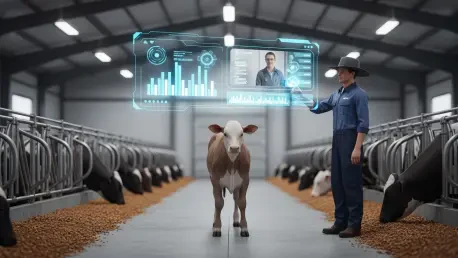

A sprawling ranch in the American West may seem far removed from the high-tech corridors of Silicon Valley, but the integration of digital health tools is rapidly redefining the survival of the livestock industry. By leveraging high-resolution photography, video conferencing, and instant messaging, ranchers can now connect with veterinary experts in real time, regardless of their geographic isolation or the time of day. This technological integration does more than simplify communication; it serves as a vital safeguard for animal welfare and a shield against the financial volatility currently defining the livestock market. As producers navigate the complexities of modern herd management, the ability to transmit visual data instantly provides a bridge between field observations and professional diagnosis. This shift is not merely about convenience but represents a fundamental change in how agricultural operations mitigate risk and protect their most valuable assets in an increasingly demanding market.
Economic Incentives and Enhanced Triage
The current economic landscape of the cattle industry provides a powerful incentive for producers to prioritize the survival of every individual animal to maintain profitability. With cattle prices reaching historic highs, the difference between a calf that reaches market weight and one that suffers an avoidable death can represent a significant financial swing for a ranching operation. Telemedicine offers a low-cost, high-efficiency entry point for professional medical consultation that was previously unavailable to remote producers. By sending a quick photo or video, a producer can receive an expert triage assessment that determines whether an animal requires immediate clinical intervention, on-farm treatment, or simple observation. This preliminary step prevents the escalation of minor issues into catastrophic losses, ensuring that even the most distant operations have access to high-level diagnostic insights without the immediate overhead of an emergency farm visit.
The synthesis of these digital tools points toward a broader trend in the optimization of resource allocation for both the rancher and the veterinarian. By reviewing digital media, a veterinarian can quickly determine the urgency of a case, ensuring that ranching resources are directed where they are most effective and reducing unnecessary downtime. This streamlined approach allows the veterinary professional to manage their schedule more effectively, focusing their physical presence on cases that truly require hands-on intervention. For the producer, this means lower consulting fees compared to traditional on-site visits and a faster response time when every minute counts. The ability to distinguish between a routine issue and a true medical emergency through a smartphone screen has effectively turned the rancher’s mobile device into a first-line diagnostic tool, reinforcing the economic viability of the entire livestock production cycle.
Bridging the Gap in Visual Diagnosis
A primary advantage of telemedicine is its ability to catch life-threatening conditions that might be overlooked by the untrained eye during a standard visual check. In many instances, a producer might notice a newborn heifer with a swollen navel and assume it is a simple blood clot, a condition that often resolves without invasive treatment. However, professional review of digital imagery often reveals subtle markers suggesting a hernia rather than a clot, a distinction that is frequently the difference between life and death. When producers leverage remote consultations instead of relying on home remedies or wait-and-see tactics, they significantly increase the survival rates of their herd. By securing early and accurate interventions for complex internal issues, ranchers ensure that hidden pathologies do not lead to sudden, unexplained fatalities that could have been prevented with a simple digital scan.
Complex orthopedic cases also benefit significantly from this preliminary digital screening, which identifies deep-seated issues that appear superficial on the surface. What a producer might mistake for a simple growth or a minor foot issue can be identified by a veterinarian as a severe joint infection or a broken bone through careful video analysis of the animal’s gait and posture. This early detection allows for better clinical outcomes, such as specialized amputations or surgeries that return the animal to health and productivity. These interventions ensure that calves suffering from severe lameness can still reach their full market weight, demonstrating the versatility of the tool in managing complex orthopedic issues. By addressing these pathologies early in the development cycle, ranchers can avoid the long-term costs associated with chronic illness and ensure the animal remains a viable contributor to the operation’s bottom line.
Streamlining Clinical Workflows and Records
Telemedicine optimizes the efficiency of veterinary clinics by allowing staff to prepare for incoming patients with surgical precision before they even arrive at the facility. By viewing photos and videos in advance, a clinic can provide producers with accurate cost estimates and a realistic prognosis before they commit to the logistics of transport. This foresight allows the veterinary team to determine if a surgery is within the clinic’s capability or if a referral to a specialized surgical center is necessary. Furthermore, the clinic can prepare the necessary surgical equipment and staff in advance, saving precious time during critical arrivals. It also provides a platform to advise ranchers on whether an animal is fit for transport or if on-farm euthanasia is the more humane and cost-effective route, preventing unnecessary suffering and transportation costs for non-viable cases.
The digital transition in ranching established a permanent medical record that proved invaluable for long-term herd health and regulatory compliance. These digital consultations allowed for the objective tracking of wound healing and treatment success over time, providing essential documentation for insurance claims and disease monitoring. Ranchers who integrated these tools found that they could easily share visual data with specialists for second opinions, fostering a collaborative environment that improved animal welfare standards. The implementation of systematic photo documentation ensured that professional expertise was applied at the earliest possible moment, securing the economic viability of the ranch. Producers were encouraged to maintain rigorous digital logs and utilize remote triage for all newborn complications, as these proactive steps transformed reactive crisis management into a sustainable, data-driven strategy for modern livestock production.