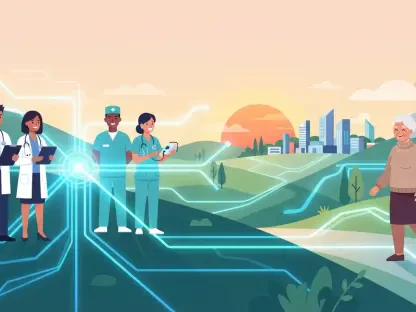

The global health crisis that emerged earlier this decade functioned as a profound catalyst for social change, effectively shattering the long-standing silence that previously surrounded personal psychological struggles. Before this massive disruption, emotional well-being was frequently treated as a secondary concern or a private matter to be handled behind closed doors, yet the universal nature of the lockdowns and economic instability forced a collective reckoning. This shared vulnerability acted as a powerful equalizer, bridging the gap between different socioeconomic groups and dismantling the traditional stigmas that historically prevented people from seeking assistance. As the boundaries between work and home blurred, the visibility of stress became impossible to ignore, leading to a fundamental shift in how governments and individuals prioritize their internal stability. This era of transformation replaced judgment with empathy, establishing a new standard where mental health is recognized as a foundational pillar of a functional society.
Shift Toward Transparency: Normalization and Holistic Integration
One of the most significant outcomes of the recent global shift is the widespread normalization of seeking professional psychological support in everyday life. In the years leading up to the present, many individuals felt compelled to conceal their anxieties to avoid potential professional repercussions or social ostracization, but this culture of secrecy has largely vanished. High-profile leaders and public figures now discuss their experiences with burnout and depression with the same transparency they might use for a physical injury, signaling to the general public that vulnerability is not a weakness. This transition has fostered an environment where proactive self-management is celebrated, and therapy is increasingly viewed as a vital tool for personal resilience rather than a sign of failure. Educational institutions and community centers have followed suit, integrating emotional intelligence training into their core curriculum to ensure that the next generation approaches wellness with the same rigor.
Modern healthcare systems have undergone a revolutionary pivot toward a holistic model that treats mental and physical health as an inseparable unit of human performance. Scientific understanding has advanced to a point where the physiological impacts of chronic stress, such as hypertension and immune system suppression, are consistently addressed during routine clinical examinations. This integration means that a visit to a primary care physician in 2026 often includes comprehensive screenings for emotional distress, ensuring that psychological issues are caught in their early stages before they manifest as severe physical ailments. Furthermore, health insurance providers have expanded their coverage to reflect this reality, moving mental health services from the periphery of optional benefits to a central requirement for all standard plans. By removing the financial and logistical barriers that once separated the mind from the body, society has created a more efficient framework for maintaining long-term vitality.
Technological Evolution: Virtual Accessibility and Workplace Standards
The rapid expansion of telehealth services has revolutionized the delivery of psychological care, making support accessible to demographics that were previously underserved. Before the global shift, geographic isolation and the perceived inconvenience of traveling to a physical clinic served as major deterrents for those requiring help, but the emergence of sophisticated virtual platforms has eliminated these hurdles. Secure video conferencing and AI-driven monitoring tools allow practitioners to provide consistent care regardless of a patient’s physical location, which is particularly beneficial for rural communities and homebound individuals. This technological leap has also introduced a level of privacy that traditional in-person visits could never offer, as users can now engage in sessions from the safety of their own environments. Consequently, the adoption of digital health tools has remained high, as both providers and patients recognize the efficiency and flexibility inherent in remote care models.
The professional landscape has redefined the concept of workplace wellness by recognizing that employee productivity is intrinsically linked to psychological stability and job satisfaction. Leading corporations have moved beyond superficial perks like office snacks, instead implementing substantial resources such as mandatory wellness days and dedicated in-house counseling services for their staff. This paradigm shift reflects a sophisticated understanding that preventing burnout is more cost-effective than managing the high turnover rates and decreased engagement associated with a stressed workforce. Management training now includes modules on recognizing the signs of emotional exhaustion, empowering supervisors to support their teams through empathetic communication and flexible scheduling. As businesses strive to attract top talent in a competitive market, those offering comprehensive mental health support systems have gained a distinct advantage, setting a new industry standard where the human asset is prioritized.
In the wake of these transformative years, society successfully moved toward a model of preventive maintenance that treated emotional health as a continuous journey rather than a destination reached only during a crisis. Stakeholders across various sectors recognized that the next logical step involved the creation of decentralized support networks that empowered communities to manage their own local wellness initiatives. Policymakers utilized the data gathered during the transition period to draft more inclusive regulations that protected the privacy of digital health records while ensuring equal access to care for all residents. The integration of mental health education into public policy provided a roadmap for sustainable growth, where emotional resilience became a measurable metric of national success. These developments solidified a framework where mental health was no longer treated as an isolated medical issue, but as a dynamic component of human development that required consistent attention and support.