
The vast expanse of rural America has long been a medical desert where geographic isolation and a chronic lack of clinical resources have forced millions of residents to forgo essential care. This systemic crisis is exacerbated by a widening digital divide that prevents underserved regions from accessing the same quality of medical intervention found in metropolitan hubs. As traditional healthcare models struggle to stay afloat in these sparsely populated areas, the necessity for a radical shift in delivery has become undeniable. The emergence of specialized digital frameworks is now filling the void left by crumbling physical infrastructure and overstretched provider networks, offering a lifeline to communities that have been historically neglected by the broader healthcare ecosystem.
Central to this evolution is the role of established health information leaders like WebMD Ignite, which act as the connective tissue between complex clinical data and meaningful patient outcomes. The introduction of the $50 billion Rural Health Transformation Program (RHTP) represents a historic federal pivot toward revitalizing these ignored medical landscapes. This massive financial commitment is not merely a subsidy for existing practices but a catalyst for a technological renaissance. It demands that states move beyond passive record-keeping, shifting from stagnant electronic health records to active, shovel-ready digital engagement hubs that meet patients exactly where they are. This transition marks the end of the era of administrative healthcare and the beginning of a period focused on proactive patient activation.
The technological shift from traditional EHRs to dynamic engagement platforms reflects a broader industry realization that data is useless if it remains siloed and inaccessible to the person who needs it most. While hospitals in urban centers have focused on internal efficiency, rural providers are now prioritizing external reach. By moving away from passive repositories of information toward active digital patient hubs, the industry is creating an environment where health education and clinical access are intertwined. This paradigm shift ensures that rural patients are no longer expected to navigate a labyrinthine system on their own but are instead guided by intelligent platforms designed to facilitate every step of their journey.
Strategic Drivers and Market Evolution in Rural Medicine
Emerging Trends in Patient Activation and Virtual Care
Modern rural medicine is currently abandoning the era of multi-year IT overhauls in favor of agile, plug-and-play infrastructure. By leveraging advanced APIs and FHIR-based connectors, health systems are deploying sophisticated platforms in a matter of weeks rather than years. This speed is crucial for meeting federal mandates and addressing urgent health needs that cannot wait for lengthy development cycles. Moreover, the focus has shifted toward hyper-localized content that respects the cultural nuances of diverse communities. Tailoring health education to specific tribal languages and regional disease propensities is no longer an optional feature; it is a foundational requirement for building the community trust necessary for patient activation.
Furthermore, the rise of AI-driven non-judgmental interactions is transforming how patients seek advice in small, close-knit towns. In many rural communities, the stigma of seeking medical help for sensitive issues is magnified by the lack of anonymity. Patient-facing AI avatars provide a safe space for individuals to ask questions without fear of social repercussions or embarrassment. These digital assistants do not replace the physician but rather serve as an initial point of entry that builds confidence and literacy before the patient ever enters a clinical setting. This trend is proving essential in increasing the utilization of preventive services and early-stage interventions.
Market Growth Projections and Performance-Based Funding
The fiscal landscape of rural healthcare is undergoing a dramatic realignment with the $10 billion annual federal allocation scheduled from 2026 through 2030. This influx of capital is restructuring the healthcare technology market, favoring solutions that can demonstrate immediate return on investment and measurable patient impact. CMS is increasingly moving toward quality-centric reimbursement models, where funding is tied to data-backed performance rather than flat-rate grants. Consequently, the last mile of patient engagement has become the most valuable segment of the market, as digital front doors prove far more cost-effective and scalable than traditional brick-and-mortar expansions in low-density populations.
Forecasting the success of these digital initiatives suggests a significant ROI compared to traditional infrastructure investments. While building a new clinic requires years of construction and a permanent staff, a digital hub like the HEART platform can reach an entire state population almost instantaneously. This scalability allows for a more efficient distribution of the RHTP funds, ensuring that the primary focus remains on care delivery rather than real estate. As performance-based awards become the standard, the ability to track patient navigation from initial engagement to clinical outcomes will be the primary differentiator between successful health programs and those that lose their federal standing.
Navigating the Obstacles to Effective Rural Care Implementation
Successfully implementing modern care in rural zones requires a deep understanding of non-clinical barriers that have historically stifled progress. Low health literacy and limited broadband access remain formidable hurdles, often compounded by a deep-seated distrust of outside medical systems. To overcome these challenges, a multifaceted approach is required, one that respects the pace of rural life while providing the tools for modernization. Strategies must account for the reality that many rural health networks operate with skeletal IT staffs who cannot manage a sudden tidal wave of federal capital without external technical support.
The burden of rapid scalability is perhaps the most significant operational challenge facing rural providers today. When a state receives hundreds of millions of dollars in transformation funds, the pressure to deploy that capital effectively and quickly is immense. Many systems find themselves caught between the desire for innovation and the limitations of their existing workforce. Bridging this gap requires a reliance on omnichannel engagement that does not rely solely on high-speed internet. By combining digital outreach with sophisticated print materials and community-based initiatives, providers can reach disconnected populations, ensuring that the digital revolution does not inadvertently leave the most vulnerable citizens behind.
The Regulatory Framework and Legislative Mandates
The One Big Beautiful Bill Act (OBBBA) serves as the legislative engine driving the current rural health strategy, despite its complex impact on overall Medicaid spending. While the act aims for a $1 trillion reduction in federal spending over the next decade, the RHTP serves as a targeted safeguard for vulnerable regions. This legislative context creates a high-stakes environment where rural health systems must prove their efficiency to justify their continued funding. The regulatory framework is designed to prune away waste and force a lean, technology-driven approach to public health that can survive in an era of fiscal consolidation.
CMS compliance involves strict expenditure limitations that demand careful strategic planning. The prohibition on new physical construction and the 10% cap on administrative costs are intended to ensure that the vast majority of federal funds go directly toward patient care and technological modernization. Furthermore, data security and standardized reporting have become non-negotiable pillars of the program. Satisfying federal audit requirements requires transparent dashboards and interoperability standards that allow for seamless communication between state agencies and federal overseers. This regulatory rigor ensures that the transformation of rural health is not just a temporary influx of cash but a permanent shift in how medical services are managed and measured.
The Future of Rural Health: Innovation and Disruptive Models
Looking ahead, the focus of rural medicine will move from passive education to active navigation, where evidence-based risk assessments lead patients directly into virtual consultations. This proactive model is essential for the sustainability of the rural health workforce, as it automates time-consuming triage and education tasks that contribute to provider burnout. By filtering routine inquiries through digital assistants and providing patients with the tools to manage their own chronic conditions, rural doctors can focus their limited time on high-acuity cases that require human expertise. This shift creates a more resilient system that can withstand the ongoing provider shortages that plague underserved regions.
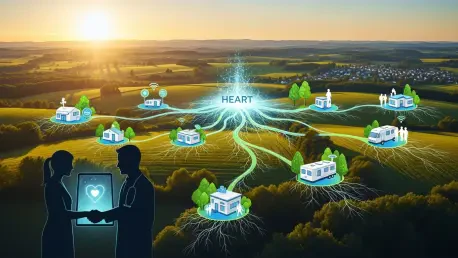
The potential of mobile health and remote monitoring represents the next frontier of this transformation. As the HEART platform matures, its integration with wearable technologies and mobile health clinics will create a seamless ecosystem of care that follows the patient regardless of their physical location. This integration represents a move toward a holistic medical environment where the distinction between home-based care and clinic-based care begins to vanish. In this future, the geographic location of a patient will no longer dictate the quality of their medical outcomes, as digital tools bridge the gap between the rural doorstep and the world’s most advanced clinical insights.
Transforming Vision into Reality for Rural Communities
The strategic value of the HEART platform became evident as state health programs sought immediate solutions to satisfy federal requirements while genuinely improving community wellness. By providing a centralized hub for clinically validated content and interactive tools, the platform addressed the critical need for localized, culturally competent education that prioritized patient activation over simple information delivery. The rapid deployment capabilities of this digital infrastructure allowed healthcare providers to bypass the traditional delays associated with legacy system integration, ensuring that federal funds were utilized for direct community benefit rather than prolonged administrative development.
Successful transformation of rural health required a departure from the one-size-fits-all approach of previous decades. Stakeholders prioritized the development of data-driven ecosystems that combined the efficiency of AI-powered triage with the warmth of personalized, community-specific outreach. This strategy not only mitigated the immediate effects of provider shortages but also established a sustainable framework for long-term health literacy and disease prevention. The integration of advanced reporting tools ensured that every dollar spent was accounted for, providing a transparent record of progress that served as a model for future medical infrastructure projects.
Moving forward, the focus shifted toward expanding these digital front doors into comprehensive wellness environments that supported the entire patient lifecycle. Healthcare leaders began to view rural health not as a series of obstacles to be managed, but as an opportunity to pioneer agile, decentralized models of care that could eventually be applied to urban settings. The ultimate goal remained the elimination of the geographic lottery in healthcare, ensuring that every resident had the tools and the access necessary to maintain their well-being. By matching historic federal investment with sophisticated, localized digital infrastructure, the industry finally laid the foundation for a more equitable and resilient medical future for all Americans.