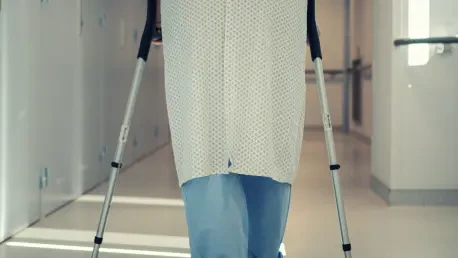

The traditional metric of success for stroke rehabilitation has long been anchored in physical survival and the restoration of motor functions, yet this narrow focus often neglects the internal psychological state of the survivor. While neuroimaging and physical therapy metrics provide a quantitative look at brain repair, they fail to capture the nuanced subjective experience of the patient navigating a life-altering disability. As of 2026, healthcare paradigms are shifting toward a more holistic understanding of recovery, specifically through the lens of “health empowerment.” This concept goes beyond mere compliance with medical advice; it examines the degree to which an individual feels capable, informed, and motivated to manage their own health journey. By identifying specific empowerment profiles within the geriatric population, clinicians can move past the limitations of standardized care and begin addressing the unique psychological and social barriers that prevent millions of stroke survivors from regaining their independence and quality of life in the years following an acute vascular event.
Redefining Patient Involvement: A Focus on Agency
Health empowerment is defined as a multidimensional process through which individuals gain greater control over decisions and actions affecting their health, particularly in the context of chronic disease management. For stroke survivors, this translates into the ability to navigate the complex healthcare system, understand the pharmacological nuances of secondary prevention, and maintain the discipline required for long-term physical therapy. This shift from a passive patient role to an active healthcare partner is essential for successful aging and recovery. Empowered patients are significantly more likely to exhibit high levels of health literacy, which allows them to synthesize medical information and apply it to their daily routines. This proactive stance reduces the risk of recurrent strokes by ensuring that lifestyle modifications and medication regimens are followed with precision. In the current medical landscape of 2026, empowerment is no longer seen as a secondary benefit but as a core requirement for any effective geriatric rehabilitation strategy.
The collaborative nature of empowerment in geriatric medicine suggests that agency is not an isolated trait but a shared responsibility between the patient, their family, and their medical team. In many cases, older adults may face cognitive or physical declines that make complete self-sufficiency difficult, but this does not mean empowerment is impossible. Instead, empowerment manifests through a supportive network where the patient remains the central decision-maker while receiving the necessary scaffolding from caregivers. This partnership ensures that even those with significant physical limitations retain a sense of dignity and purpose, which are vital components of psychological resilience. When clinicians foster this environment, they prevent the common “frailty trap,” where patients are treated as fragile objects of care rather than individuals with evolving goals. Strengthening this dynamic involves clear communication and the inclusion of family members in the educational process, turning a daunting recovery journey into a structured and manageable group effort.
The Role of Latent Profile Analysis: Precision in Rehabilitation
Recent advancements in statistical modeling have introduced Latent Profile Analysis (LPA) as a transformative tool for understanding the diversity within the stroke survivor population. Rather than grouping all patients under a single average score, LPA identifies hidden subgroups—or profiles—based on common patterns of behavior, psychological readiness, and social support. This approach allows researchers to move beyond superficial demographics and look at the underlying “phenotypes” of empowerment that exist within a cohort. By analyzing data collected during the acute and post-acute phases of recovery, medical professionals can categorize patients into groups such as “High Empowerment,” “Socially Dependent,” or “Low Information Literacy.” This granular level of detail is crucial because it reveals that two patients with the identical physiological brain damage might require vastly different psychological interventions to achieve the same recovery milestones, thereby optimizing the allocation of clinical resources in 2026.
These specific empowerment profiles act as a diagnostic map, highlighting the precise areas where a patient might be vulnerable during their transition back to the community. For example, a patient identified in a “High Motivation, Low Literacy” profile might have the drive to recover but lack the technical understanding to manage their anticoagulation therapy safely. Conversely, a patient in a “High Literacy, Low Motivation” profile might understand the science of their recovery but struggle with post-stroke depression or a lack of purpose. By recognizing these patterns early in the clinical timeline, interdisciplinary teams can tailor their interventions to meet the specific needs of each profile. This might include specialized educational sessions for those with low literacy or intensive psychological counseling for those lacking motivation. Using data-driven profiles ensures that no survivor is left behind due to a “one-size-fits-all” approach, marking a significant leap toward personalized geriatric care that respects individual differences.
Identifying and Addressing Systemic Barriers: Beyond Non-Compliance
Stroke recovery is frequently hindered by a complex array of systemic and intrinsic barriers that can erode a survivor’s sense of agency if left unaddressed. Cognitive impairments, ranging from mild memory lapses to severe aphasia, often make it difficult for individuals to process the high volume of medical data presented during hospital stays. When these challenges are compounded by post-stroke depression, which affects a substantial portion of survivors, the psychological energy required for empowerment is often depleted. Clinicians in 2026 are increasingly trained to view these hurdles not as signs of patient “non-compliance,” but as structural challenges that require specific rehabilitative support. Recognizing that a patient’s silence or lack of initiative may be a symptom of their neurological condition rather than a lack of desire to get better is the first step in building a more compassionate and effective recovery environment that prioritizes long-term mental health.
Beyond the clinical setting, socioeconomic factors and the availability of social support play a determining role in how empowerment profiles manifest in the real world. A survivor who lives alone in a rural area with limited access to digital health tools will naturally face a more difficult path toward empowerment than one who has a robust family network and high-speed internet for telehealth consultations. These environmental constraints can dictate whether a patient is able to attend follow-up appointments or access the specialized therapy sessions necessary for motor recovery. To combat these inequities, health systems are beginning to integrate social determinants of health into the empowerment profiling process. By accounting for a patient’s living situation, financial stability, and community resources, practitioners can develop more realistic and achievable recovery plans. This comprehensive view ensures that empowerment is not just a theoretical concept but a practical reality that takes the survivor’s external environment into full consideration.
Navigating the Recovery Continuum: From Hospital to Home
As global healthcare systems trend toward shorter acute hospital stays to manage rising costs and infection risks, the transition from the clinic to the home has become a critical vulnerability point for stroke survivors. Empowerment profiles provide an essential framework for discharge planning, ensuring that a patient is not only physically stable but also psychologically prepared for the rigors of home-based rehabilitation. This transition period often involves a steep learning curve for both the patient and their primary caregivers, who must suddenly manage medications, equipment, and therapy schedules without the immediate oversight of hospital staff. By aligning discharge instructions with a patient’s specific empowerment profile, clinicians can bridge this gap more effectively. Providing tailored educational materials and setting incremental, profile-specific goals helps maintain the momentum of recovery during the first few months at home, which are often the most defining for long-term outcomes.
The evolution of stroke recovery research must focus on longitudinal studies that track how these empowerment profiles change as survivors move through different stages of their journey. While current data sets from 2026 offer a valuable snapshot of a patient’s status at the time of discharge, the psychological state of a survivor is often dynamic, influenced by physical progress or setbacks. Future efforts should aim to implement real-time monitoring of empowerment through digital health platforms, allowing clinicians to adjust their support strategies as a patient’s needs shift over time. Furthermore, expanding this research to include diverse cultural contexts will help identify how global attitudes toward aging and family structures influence the sense of agency. These insights were instrumental in the development of more inclusive international standards for geriatric care, ensuring that every stroke survivor, regardless of their background, has access to a recovery path that is both medically sound and psychologically empowering.