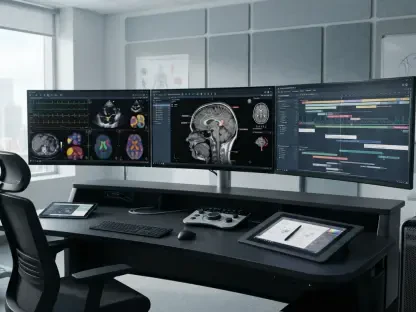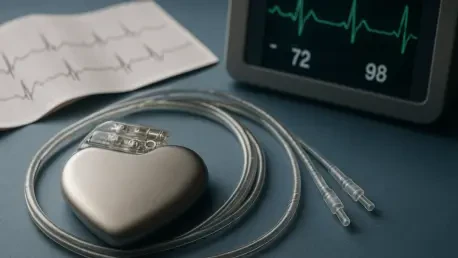

The sophisticated landscape of modern cardiovascular medicine has reached a pinnacle of surgical precision, where life-saving devices like stents and pacemakers are implanted with remarkable success rates across the globe. However, this technical proficiency in the operating room often masks a systemic failure in the long-term management of these same medical technologies. Dr. Richard J. Kovacs and other leading experts have identified a critical gap in patient care, noting that the medical community frequently operates with a “one-time event” mindset rather than a continuous commitment to safety. Currently, the healthcare system lacks a robust, real-time surveillance network capable of monitoring the performance of tens of millions of devices that are already inside patients. This oversight leaves a significant portion of the population vulnerable to undetected hardware failures and software glitches, highlighting a desperate need for a fundamental shift toward lifelong device tracking that persists long after the initial surgical incision has healed.
Analyzing the Statistical Reality and Regulatory Shortfalls
Quantifying the Risk: The Scale of Technical Failure
The sheer volume of high-risk medical hardware currently circulating within the human population is staggering, with millions of new implants added to patients every year. In an environment where technology is integrated so deeply into the biological function of the heart, the margin for error is incredibly thin. Even a failure rate that appears statistically insignificant—perhaps less than one percent—can translate into thousands of injuries or fatalities when applied to the total number of patients relying on these devices. History has shown that medical device issues can lead to significant patient harm over extended periods, yet the current tracking mechanisms remain insufficient for the scale of the challenge. Because Class III devices are designed to sustain life, any malfunction is potentially catastrophic. The medical community must recognize that as a population becomes increasingly dependent on sophisticated technology to maintain basic cardiac health, the responsibility to monitor that technology grows exponentially.
Data from the past few years indicates that the reliance on life-critical heart technology has created a unique set of vulnerabilities that traditional healthcare models are not equipped to handle. When a pacemaker or an implantable cardioverter-defibrillator (ICD) enters the market, it undergoes rigorous initial testing, but the real-world performance over five to ten years is often where the most significant risks emerge. Without a dedicated system to track these long-term outcomes, manufacturers and clinicians are essentially flying blind once the patient leaves the hospital. This lack of data creates a vacuum where emerging patterns of failure go unnoticed until a critical mass of adverse events forces a retrospective investigation. To address this, the industry needs to move toward a more proactive posture that treats the device as a living component of the patient’s record, ensuring that any deviation from normal performance is flagged instantly rather than discovered during a post-mortem analysis.
Regulatory Flaws: The Limitations of Spontaneous Reporting
Despite several federal legislative efforts intended to modernize postmarket monitoring, the regulatory framework in the United States continues to rely heavily on a “spontaneous reporting” model. This system is notoriously prone to chronic underreporting because it places the burden of identification and logging on clinicians and manufacturers who may not have the time or the standardized tools to report issues in real time. When a device fails, the paperwork required to notify the FDA is often seen as a secondary priority compared to the immediate clinical needs of the patient. Consequently, the FDA frequently struggles to identify “safety signals” or subtle patterns of failure before they evolve into widespread public health crises. This antiquated approach fosters a reactive environment where corrective actions, such as recalls or software patches, are implemented only after significant harm has occurred. A transition to active surveillance would require automated data collection that eliminates manual barriers.
The disconnect between regulatory intentions and clinical reality is further exacerbated by the lack of a centralized authority to aggregate and analyze device performance data across different hospital systems. While the FDA has the power to mandate post-market studies, these are often limited in scope and duration, failing to capture the full lifecycle of a permanent implant. Furthermore, the information that is collected often stays within the proprietary databases of the manufacturers, making it difficult for independent researchers or the broader medical community to access and scrutinize. This siloed approach to data prevents the development of a comprehensive safety network that could provide early warnings about specific batches or models of heart implants. By failing to integrate device performance metrics into the broader public health infrastructure, the current system ensures that the lessons learned from one device failure are rarely applied quickly enough to prevent the next one.
Redefining the Safety Paradigm Through Technology
Technological Solutions: Overcoming Identifiability and Interoperability Hurdles
There is a glaring and increasingly frustrating disparity between the ease of tracking everyday consumer goods and the difficulty of identifying life-critical medical implants in an emergency. For example, a modern rental car’s entire maintenance history and current mechanical status can be accessed instantly via a simple digital scan from anywhere in the country. In contrast, a patient who arrives at an emergency room with a malfunctioning heart pump or a failing lead may be unable to provide information about the device’s manufacturer or recall status if they are far from their original treatment site. This technological disconnect represents a significant failure in the “Safety as a Continuous Function” model, where the vital data concerning an implant should be as mobile and accessible as the patient. In a crisis, the inability to identify a device’s specific technical specifications can lead to delayed treatments or even dangerous interventions that are incompatible with the existing hardware.
The primary technical solution to this identification problem lies in the universal adoption of Unique Device Identifiers (UDIs), which are essentially digital fingerprints for medical hardware. However, the full implementation of UDI systems remains stalled due to a lack of federal mandates and poor interoperability between competing electronic health record (EHR) systems. When device information is trapped in proprietary silos or buried within a single health system’s localized database, longitudinal tracking becomes a logistical nightmare for healthcare providers. For the safety potential of UDIs to be realized, there must be a standardized system that allows information to follow a patient seamlessly across state lines and between different hospital networks. Without this level of digital integration, the promise of long-term device safety remains unfulfilled, as clinicians are forced to rely on fragmented records or patient memory. Establishing a truly interoperable network would require a fundamental shift in how medical data is shared.
Collaborative Progress: Strengthening Registries and Stakeholder Accountability
Professional organizations have taken the lead in establishing high-quality clinical registries, but these tools were historically optimized for the point of procedure rather than the entire life of the device. To provide true long-term protection, these registries evolved to capture data over decades, shifting their primary focus from the immediate success of the surgery to the longitudinal performance of the hardware. This evolution required aggressive advocacy from the medical community and a significantly faster expansion of national evaluation systems. By transforming these registries into dynamic, life-long databases, the healthcare industry moved beyond the “successful implantation” metric and adopted a comprehensive safety perspective that held all stakeholders—including manufacturers and regulators—accountable for the duration of the device’s functional life. This shift ensured that the hardware remained under constant scrutiny, allowing for the early detection of wear-and-tear issues that might otherwise lead to sudden device failure.
Achieving a safer environment for heart patients necessitated a multi-pronged strategy that integrated the efforts of regulators, manufacturers, and the tech industry. The medical community successfully moved beyond the narrow focus of operative success and adopted a lifetime safety perspective that accounted for the inevitable wear of mechanical components. By prioritizing federal interoperability and universal identification, the healthcare system finally ensured that the commitment to “do no harm” extended well beyond the walls of the operating room. Future advancements were built upon the foundation of standardized data sharing, which allowed for the rapid detection of anomalies and the implementation of corrective measures before patients were put at unnecessary risk. This proactive approach to surveillance became the new standard of care, reflecting a profound understanding that a life-saving device required a life-long commitment to monitoring. The transition to this model empowered both patients and providers with more security.