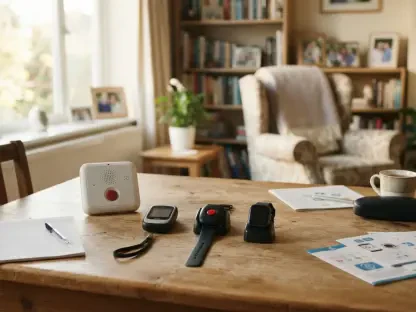

The current fragmentation of the United Kingdom's National Health Service often leaves medical professionals working in a vacuum, where critical patient histories are trapped within isolated silos that fail to communicate with one another during life-saving moments. This legislative push aims to

The home healthcare sector is currently facing a transformative crisis as clinicians spend more than forty percent of their active working hours navigating antiquated documentation systems instead of providing direct patient support. This administrative bottleneck has historically contributed to

The systematic erosion of institutional authority and financial support for American health agencies has reached a critical juncture where the very foundations of national disease surveillance are being fundamentally questioned. In 2026, the landscape of public safety is increasingly defined by a

Home healthcare agencies are currently grappling with an administrative crisis where clinicians spend more time navigating clunky interfaces than they do providing actual medical care to vulnerable patients. This inefficiency is not merely an inconvenience; it is a systemic failure that contributes

The shift from obtrusive wrist-worn displays to discreet, high-fidelity biometric rings represents one of the most significant transformations in personal health technology observed over the past several years. As the wearable market matures in 2026, consumers are increasingly seeking out devices
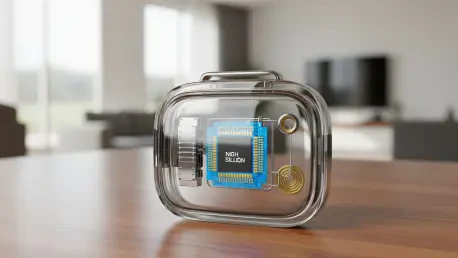
The silent transformation of the global healthcare landscape is currently being orchestrated not just by surgeons and medical researchers, but by the microscopic silicon components that reside within the machinery of modern medicine. These microcontrollers, functioning as the primary intelligence