
James Maitland stands at the forefront of a digital revolution in healthcare, where the precision of robotics and the connectivity of the Internet of Things meet the complex world of pharmacy benefit management. With a background rooted in leveraging advanced technology to solve human problems, he

The sophisticated nature of modern cyber warfare reached a critical juncture when Stryker, a titan in the global medical technology sector, identified a massive breach that paralyzed its primary internal communications and administrative infrastructure. Headquartered in Michigan, this organization

The sudden immobilization of global digital infrastructure at Michigan-based medical technology leader Stryker illustrates a sophisticated shift in how state-linked threat actors target high-value healthcare assets. As a dominant force in the global medical market, employing approximately 56,000

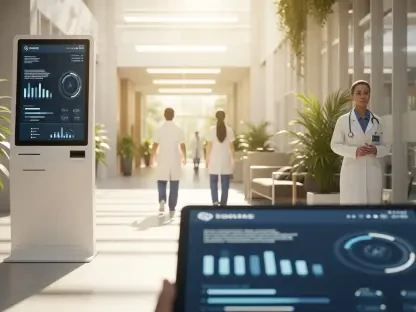
The 2026 Healthcare Information and Management Systems Society Global Health Conference and Exhibition in Las Vegas serves as a definitive turning point for the practical application of high-level medical technology. While previous years focused on the theoretical potential of digital

The decision by the Eloísa Díaz Clinical Hospital in La Florida, Chile, to abruptly terminate its proprietary electronic medical record system marks a significant turning point in the nation's effort to achieve technological sovereignty within its public healthcare infrastructure. This ambitious

The modern landscape of precision medicine is being reshaped by a rapid convergence of diagnostic capabilities and therapeutic insights, necessitating a deeper level of integration within laboratory workflows. As clinical demands for personalized treatment plans increase, the ability to provide