The modern surgical environment often functions as a high-pressure bottleneck where manual data entry and fragmented communication frequently compromise the speed and quality of patient care. Despite the rapid digital transformation seen in other sectors, many hospitals still rely on clinical staff
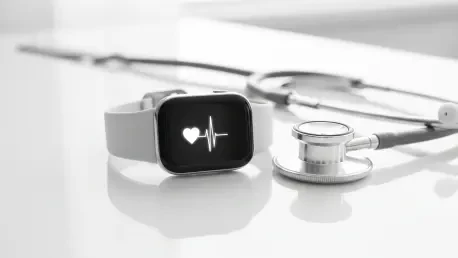
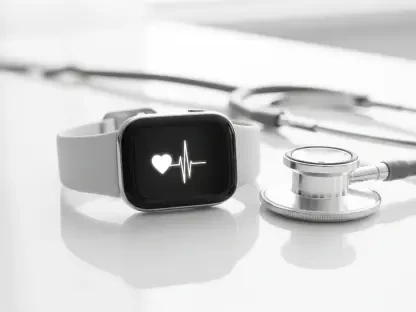
The rapid evolution of wearable technology has officially moved beyond the era of simple step counting to a sophisticated landscape where personal devices act as digital bridges between daily lifestyle choices and clinical medical histories. This shift is most evident in the recent expansion of the
The silent progression of metabolic dysfunction often remains hidden beneath the surface of routine physical exams until it reaches a critical threshold of chronic disease. Recent research spearheaded by Google and published in the journal Nature suggests that the wearable technology already on

The sheer volume of physiological data currently streaming from consumer wrists into cloud servers has reached an unprecedented scale, yet the clinical utility of this information remains remarkably low. While a modern smartwatch can capture thousands of heart rate samples, blood oxygen

The traditional bottleneck of manual patient transfers often leaves critically ill individuals waiting for hours while administrative staff navigate a labyrinth of paper-based referrals and constant phone calls. Fujitsu Japan and Teikyo University Hospital have recently launched a collaborative

The challenge of identifying chronic metabolic conditions before they escalate into clinical crises has sparked a transformative movement within the field of modern preventive medicine. Current research published in Nature demonstrates a groundbreaking methodology for predicting insulin resistance