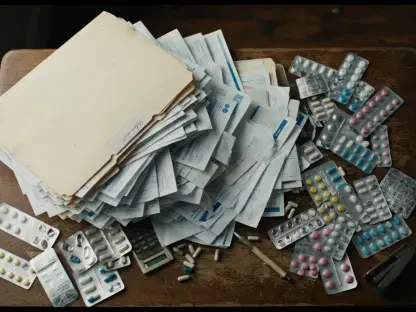

The stark reality of the Cuban healthcare system today exists in a profound contradiction between the island’s historical reputation for medical excellence and the daily struggle of citizens searching for simple aspirin or antibiotics. While the state-run BioCubaFarma continues to promote high-tech vaccines and innovative treatments for export, the local pharmacies used by ordinary families often stand completely empty or carry only a fraction of what is needed to treat chronic conditions. This disconnect has forced a desperate population to navigate a hazardous landscape of shortages where the lack of basic supplies can turn a routine infection into a life-threatening crisis. Families are no longer just looking for specialized care; they are scouring informal networks for expired medications or traveling long distances to trade personal belongings for a single blister pack of antihistamines. The systemic failure to provide essential pharmaceuticals has created a vacuum where risk-taking becomes the only viable strategy for survival in a nation that once took pride in its universal healthcare.
Industrial Stagnation: The Decline of Production
Infrastructure Decay: The Manufacturing Crisis
The deterioration of domestic pharmaceutical production stems from a combination of aging infrastructure and a severe lack of hard currency required to import active pharmaceutical ingredients. Most of the equipment currently in use within the island’s laboratories dates back several decades, leading to frequent mechanical failures and a significant decrease in manufacturing efficiency. Furthermore, the global supply chain disruptions have hit the island particularly hard, as shipping lines often avoid the region due to complex legal hurdles and financial risks. This has resulted in a situation where even when the government has the funds to purchase raw materials, the actual delivery of these goods is delayed by months. Consequently, the production of nearly 60 percent of the basic medicines on the national essential list has been restricted. Patients suffering from chronic conditions are frequently told that their monthly prescriptions cannot be filled, leaving them to face the debilitating effects of untreated illnesses.
Market Instability: The Rise of Informal Trade
In the absence of a functional formal market, a sprawling and unregulated informal sector has emerged to fill the medical void, though it presents significant dangers to public health. Social media platforms and encrypted messaging apps have become the primary marketplaces for life-saving drugs, where prices are often inflated to levels that represent a significant portion of an average monthly salary. While these networks provide a lifeline for those with the financial means, they also expose consumers to the risks of counterfeit or improperly stored medications. There is no quality control in these transactions, and the prevalence of expired drugs being sold as new has led to an increase in adverse reactions and treatment failures. Moreover, the reliance on these informal channels exacerbates social inequality, as those without access to foreign remittances are left without options. The desperation of the populace is frequently exploited by middlemen who prioritize profit over safety.
Strategic Reform: The Path to Medical Resilience
The restoration of the pharmaceutical supply chain required a multifaceted approach that moved beyond temporary aid toward systemic structural revitalization and industrial modernization. It became clear that the path forward necessitated the implementation of transparent procurement policies and the diversification of international trade partners to reduce the dependency on a limited number of state-run suppliers. Authorities eventually allowed for more flexible regulations regarding the private importation of medical supplies, which eased the immediate pressure on state inventories and provided a legal framework for the informal networks. Furthermore, the integration of digital tracking systems helped monitor stock levels in real-time, preventing the hoarding of essential goods. These strategic shifts, combined with increased investment in local production facilities, established a more resilient healthcare infrastructure capable of meeting the fundamental needs of the population without the extreme risks once endured by the public.