
The intricate machinery of the human heart requires a level of surgical precision where even a microscopic oversight in medical hardware can lead to catastrophic consequences for a patient on the operating table. When specialized tools designed for vascular injections fail mid-procedure, the razor-thin margin for error effectively vanishes, placing both patients and healthcare providers in immediate danger. Recent federal inspections at Medline’s NAMIC division revealed that these failures were not isolated incidents but part of a systemic breakdown in quality control that the FDA could no longer ignore.
The regulatory action specifically targeted the company’s facility in Glens Falls, New York, following a comprehensive inspection that concluded in late 2025. This oversight uncovered a pattern of manufacturing violations that directly threatened the integrity of cardiovascular procedures nationwide. As the medical community grapples with these findings, the focus shifted toward how a major supplier allowed such critical safety thresholds to be breached without immediate intervention.
A Critical Breach in Cardiovascular Precision
A single mechanical failure during heart surgery can transform a routine procedure into a life-threatening emergency in a matter of seconds. In the high-pressure environment of a cardiac catheterization lab, surgeons rely on the absolute reliability of their equipment to maintain physiological stability. When Medline’s NAMIC syringes began to show signs of instability, the fundamental trust between the manufacturer and the medical practitioner was broken, necessitating a sharp response from federal regulators to prevent further patient harm.
The systemic nature of these quality control issues suggested that the company’s internal monitoring systems failed to catch deteriorating manufacturing conditions before they reached the clinical setting. The FDA emphasized that the frequency and severity of these defects indicated a lack of adequate oversight in the production of specialized surgical components. This breakdown in protocol forced the agency to intervene, highlighting that the responsibility for patient safety begins long before a device enters the sterile field of an operating room.
The Role of Specialized Syringes in High-Stakes Procedures
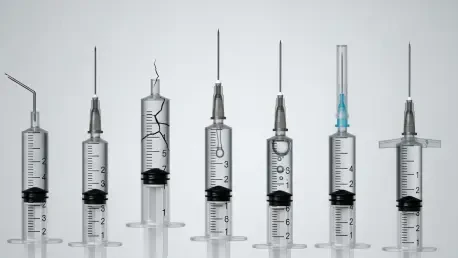
The specialized syringes produced at Medline’s Glens Falls facility are essential components in cardiovascular surgery, used primarily to inject contrast dye into a patient’s bloodstream. This dye is crucial for visualizing the heart’s internal structures and blood flow under diagnostic imaging, allowing surgeons to make split-second decisions regarding interventions. Without a reliable injection system, the entire diagnostic process is compromised, potentially leading to inaccurate assessments of a patient’s cardiac health.
These tools must maintain a secure, airtight connection to a manifold to ensure precise delivery and prevent the introduction of outside elements into the vascular system. When the integrity of this connection is compromised by manufacturing flaws, the primary function of the device fails, turning a diagnostic necessity into a source of significant clinical risk. The precision required for these injections leaves no room for mechanical instability, as even a minor leak can alter the pressure readings necessary for a successful procedure.
Mechanical Failures and the Escalating Patient Safety Crisis
The FDA’s warning focuses on a specific mechanical defect: syringes unexpectedly disconnecting from manifolds during active use. Investigation into these failures identified an accumulation of excess silicone on the connectors as the primary culprit, a lubricant that was intended to facilitate movement but instead caused the components to slip apart. The real-world consequences of this defect are stark, with 221 complaints and 177 formal safety reports filed during the surveillance period.
Among the most harrowing incidents reported were cases of air embolism—where air bubbles enter the blood vessels and block blood flow—which can lead to strokes or heart attacks if not addressed instantly. Furthermore, instances where healthcare workers were exposed to biohazardous materials due to unexpected leaks added another layer of risk to the surgical environment. These physical failures demonstrated that a seemingly minor residue of silicone could lead to a cascading series of medical emergencies for both the patient and the surgical staff.
Dissecting the Discrepancy in Medline’s Risk Assessment
A central point of contention in the FDA’s warning is the disconnect between Medline’s internal data and its safety classifications. Despite identifying air embolisms as a top-tier hazard during initial design phases, the company continued to categorize the overall risk level of these defects as “low” even after the complaints began to mount. This conclusion persisted even as complaint rates surged throughout 2025, repeatedly exceeding the company’s own established safety thresholds without triggering a high-level response.
The regulator’s critique highlights a failure to respond to clear evidence of product instability, noting that meaningful corrective action was delayed for an unacceptable duration. Although the company eventually initiated a product recall in March 2026, the FDA argued that the decision came far too late given the volume of reported injuries and malfunctions. This discrepancy suggests a corporate culture that prioritized production continuity over the rigorous application of safety data, leading to a prolonged period of avoidable patient exposure.
Necessary Protocols for Remediating Manufacturing Violations
To regain regulatory standing and ensure patient safety, the manufacturer had to overhaul its production standards and quality management systems from the ground up. This process involved implementing more rigorous cleaning protocols to prevent silicone buildup and establishing comprehensive safety testing following any changes to product design. The company also integrated advanced monitoring technology to detect variations in connector friction before the syringes left the production line, ensuring that every unit met the required torque specifications.
Furthermore, the company aligned its risk analysis with actual clinical outcomes to ensure that high-severity hazards were never minimized in future reports. The transition toward a more transparent reporting structure allowed for quicker identification of emerging trends, preventing the backlog of complaints that characterized the previous year. Failure to execute these remediations effectively would have led to severe legal consequences, including the court-ordered seizure of medical products or permanent injunctions against the facility’s operations. These steps served as a blueprint for restoring the division’s reputation and securing the supply chain for cardiac surgeons.