
Navigating the complexities of a child’s chronic illness involves far more than clinical appointments and medication schedules; it often requires families to overcome significant logistical hurdles that can compromise the quality of care. For residents in Southwestern Ontario, the journey to specialized pediatric centers often translates into hours of grueling highway travel, compounding the emotional and financial strain already felt by households managing serious health conditions. Recognizing this systemic barrier, a new partnership between a major national rail carrier and a prominent healthcare foundation seeks to transform the transit experience for families seeking life-saving interventions. By providing complimentary rail travel for patients at the Children’s Hospital at London Health Sciences Centre, the initiative addresses the reality that geographic distance should never dictate the level of medical expertise a child receives. This program bridges the gap between home and hospital, ensuring that the focus remains entirely on recovery and wellness.
Enhancing Patient Accessibility: The Path to Healthcare Equity
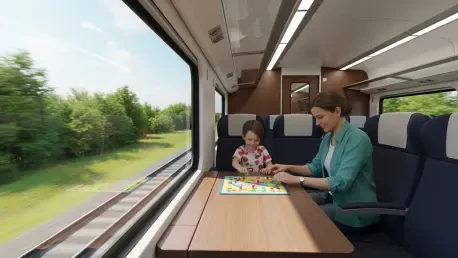
The implementation of this travel program targets families who must navigate significant distances within the province or travel to specialized hubs in Montreal for complex surgeries and oncology treatments. For many, especially those residing in the Windsor-Essex corridor, the repetitive cost of fuel, parking, and vehicle maintenance creates a prohibitive financial burden that accumulates over months or years of treatment. By shifting these families from the stress of congested highways to the controlled environment of a train, the program provides a vital sanctuary where parents can attend to their child’s immediate needs rather than focusing on the road. The case of five-year-old Oakley, a patient managing the rare Codas Syndrome, illustrates the profound impact of this shift. His mother, Lisa Doerksen, noted that the transition to rail travel replaced physical exhaustion with peace of mind, allowing the family to arrive for critical appointments feeling composed and prepared for the medical challenges ahead.
Beyond the immediate comfort of the journey, the collaboration establishes a streamlined process for families to access these resources through the Paediatric Family Resource Centre at the hospital. This structural integration ensures that support is not merely available but is actively woven into the patient’s discharge and follow-up planning. The commitment, which is currently slated for a three-year duration starting in 2026, reflects a broader consensus among transportation and healthcare leaders that holistic patient care must extend beyond the physical boundaries of a medical facility. Tim Tribe, a prominent figure in healthcare philanthropy, emphasized that removing the anxiety of transportation logistics fundamentally alters the family experience during a crisis. By neutralizing the high costs associated with travel, the program effectively democratizes access to specialized medicine, ensuring that a family’s socioeconomic status or postal code does not hinder a child’s path toward a healthier future in the coming years.
Integration of Corporate Responsibility: Shaping Future Care Standards
This strategic alliance serves as a compelling blueprint for how corporate social responsibility can be leveraged to solve specific public health challenges through direct, high-impact interventions. Philippe Normand, representing the rail service, characterized the initiative as a way to foster community cohesion while allowing parents to prioritize their child’s health over logistical complications. By aligning corporate assets with philanthropic objectives, the program creates a sustainable support system that acknowledges the social determinants of health, such as transportation and economic stability. As healthcare systems continue to evolve through 2028, the success of this model will likely encourage other industries to evaluate how their core infrastructure can be repurposed to support vulnerable populations. This proactive approach by the rail sector demonstrates that infrastructure is not just a means of moving people but a critical component of the healthcare delivery chain that can significantly improve long-term patient outcomes.
The broader implications of this partnership suggested a shift toward more integrated support networks where private and public entities shared the responsibility of patient welfare. Moving forward, healthcare administrators and corporate partners established formal evaluation frameworks to measure the reduction in missed appointments and the improvement in reported family well-being. These data points provided a foundation for expanding similar programs to other regional hubs, potentially creating a national network of medical transit options. Stakeholders focused on the long-term viability of these services, ensuring that the logistical burden of illness was permanently reduced through consistent funding and expanded carrier participation. By documenting the tangible benefits of reduced travel fatigue and financial relief, the initiative proved that when transportation barriers were eliminated, the efficacy of clinical treatment was maximized, and the overall resilience of the family unit was greatly strengthened during the most difficult periods of their lives.