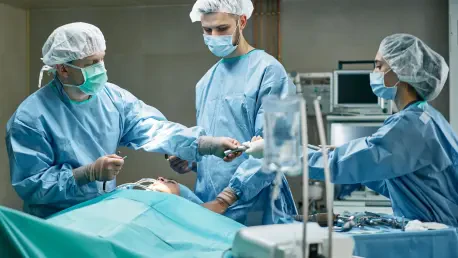

Creating a local environment for surgical excellence allows Eswatini to reduce its dependence on international systems for both training and advanced patient care. For decades, the Kingdom of Eswatini faced a persistent challenge where its most promising medical talents were forced to seek specialized residency programs beyond its borders, often leading to a permanent loss of expertise known as brain drain. The recent certification of The Luke Commission (TLC) Miracle Campus as a regional training hub by the College of Surgeons of East, Central and Southern Africa (COSECSA) marks a pivotal shift in this dynamic. This milestone ensures that aspiring surgeons can now achieve world-class qualifications in General Surgery and Orthopaedic Surgery while remaining within their home communities. By integrating high-level academic training with immediate clinical application, the facility is transforming from a traditional care provider into a sophisticated educational pillar for the southern African region. This evolution signifies a new era of medical independence for the nation.
Strengthening Local Healthcare Infrastructure
The localization of medical expertise serves as a cornerstone for building a sustainable healthcare system that understands the specific nuances of the local population. When surgeons train within the environment where they intend to practice, they gain an intimate understanding of the unique disease patterns and patient demographics that define the regional landscape. Zakhele Dlamini, the hospital’s legal adviser and spokesperson, highlights that this domestic training program allows residents to navigate the logistical and cultural realities of Eswatini firsthand. This proximity eliminates the disconnect often felt by practitioners returning from foreign systems that may rely on technologies or protocols unavailable in their home country. Instead, these new specialists are mentored in a context that emphasizes resource optimization and specialized patient needs. This strategic alignment between education and local reality ensures that the quality of care remains high while remaining culturally relevant to the community.
Transitioning to a domestic residency model provides substantial relief from the heavy logistical and financial burdens that previously hindered medical career advancement for local doctors. The cost of relocating to foreign nations, securing international visas, and maintaining a lifestyle in more expensive urban centers often restricted specialized training to a privileged few. By providing these pathways within the Miracle Campus, the hospital democratizes access to elite medical education for a broader range of talented professionals. This shift not only preserves financial resources for the individuals involved but also keeps that economic value circulating within the national economy. Furthermore, the presence of active training programs fosters an environment of continuous improvement and academic rigor that benefits all hospital departments. As residents engage in supervised clinical practice, the entire facility elevates its standards to meet international benchmarks, creating a safer environment for every patient.
Strategic Alliances and Future Foundations
Central to this achievement was the University Without Borders vision, a concept championed by TLC that advocates for high-quality medical education that transcends geographic limitations. This initiative was bolstered by a multidisciplinary team of nearly 400 staff members and five COSECSA Fellows who provide direct mentorship. Robust collaboration with the Eswatini Ministry of Health and the Medical and Dental Council was essential in aligning the training programs with national health priorities. Such a unified front demonstrates a national commitment to medical self-sufficiency, signaling that the Kingdom is prepared to manage its own specialist pipeline. This institutional support provides a stable framework for the program to grow, potentially expanding into other specialties in the coming years. By working in concert with government bodies, the hospital ensures that its graduates are recognized across the region, facilitating a mobile yet locally rooted workforce. This foundation is what gives the program its long-term viability.
The establishment of this certified training center laid the groundwork for a more resilient and autonomous healthcare future for the Kingdom of Eswatini. Medical leaders recognized that the path toward sustainability required a shift from short-term interventions to long-term structural investments in human capital. By securing this landmark accreditation, the facility effectively eliminated the primary barriers to specialist education, ensuring that the next cohort of surgeons would be ready to lead by the time they completed their residencies in 2028 and beyond. Stakeholders identified several actionable next steps, including the expansion of digital libraries and the implementation of advanced simulation labs to further enhance the residency experience. It was also recommended that the hospital establish a formal alumni network to track the impact of these graduates on the national health system. These efforts focused on creating a self-sustaining cycle where today’s residents become teachers for the next generation of doctors.